
Go Unlimited with Magzter GOLD
Get unlimited access to 10,000+ magazines, newspapers and Premium stories for just
YOUR DISASTER PREPARATION TOOLKIT
Kiplinger's Personal Finance
|July 2025
As severe weather events grow more intense and widespread, it's smart to set up safeguards for your home and your finances.
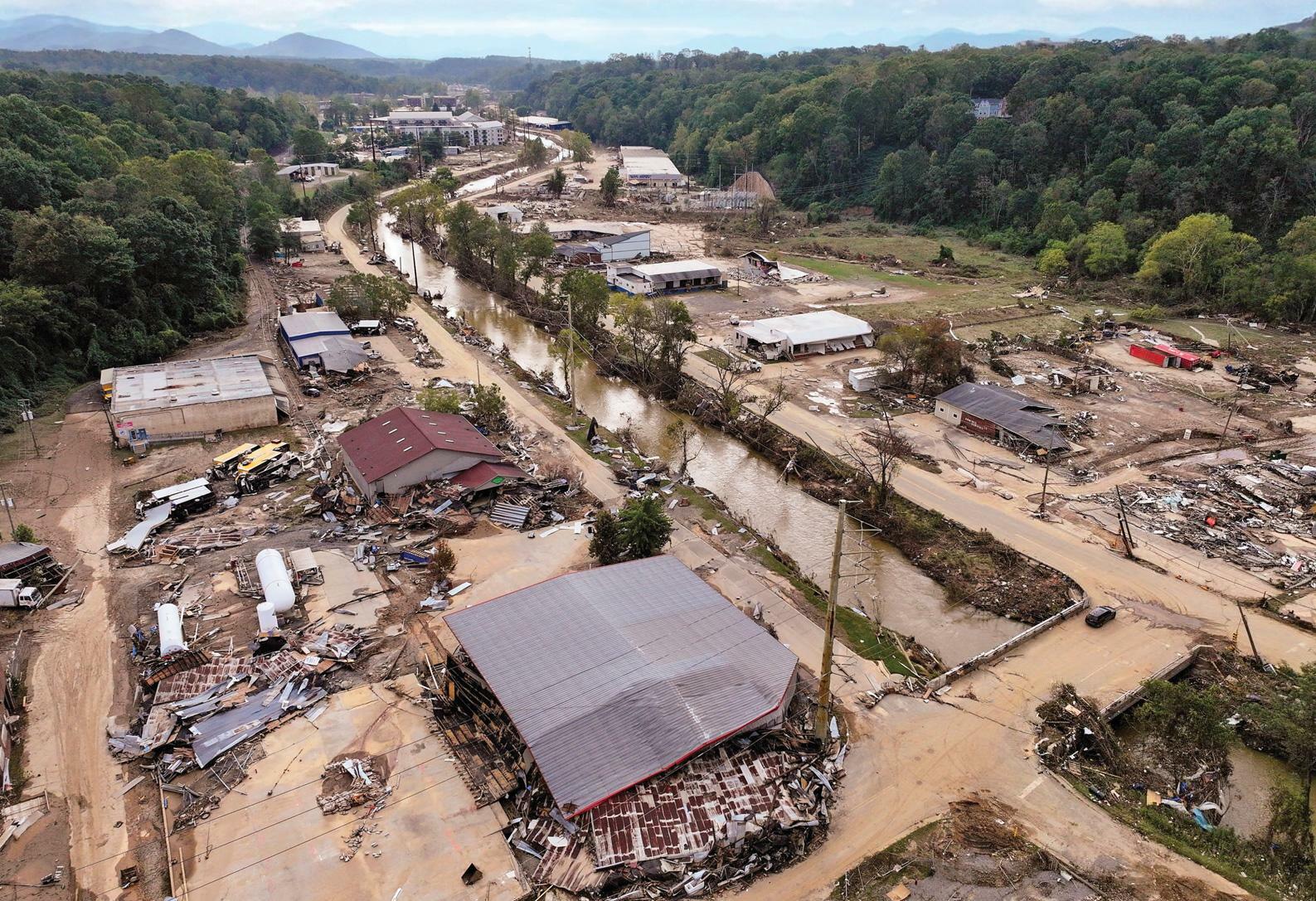
WHEN Hurricane Helene hit Asheville, N.C., last fall, causing extensive damage and flooding, many residents were taken by surprise. Nestled in the Blue Ridge mountains, 300 miles west of the Atlantic coast, Asheville wasn't thought of as an area prone to hurricanes and flooding, and fewer than 1% of homeowners in the area had flood insurance.
As severe weather becomes increasingly common in unexpected places, people across the country need to take different steps to protect their homes and finances from natural disasters. “We're seeing weather events happen outside of the time of year and the places we typically associate with these events,” says Dan DePodwin, senior director of forecast operations for AccuWeather. “No matter where you live, there is some risk of a natural hazard.” For example, AccuWeather forecasts that 1,300 to 1,450 tornadoes will occur across the U.S. in 2025, with the highest risk expected in the Mississippi and Tennessee valleys rather than the traditional tornado alley across Texas, Oklahoma and Kansas.
The rise in severe weather is happening in part because of climate change, says DePodwin. Temperatures as a whole are increasing, and warmer air holds more moisture, so “there’s a greater opportunity for heavier rain events,” he says. In early April, extreme rainfall and tornadoes in the central U.S. caused estimated damages of up to $90 billion. “People think of tropical systems and hurricanes causing significant flooding, but you can get flooding from a small, localized thunderstorm, too,” he says.
Disaster costs are also increasing because of where people are choosing to build homes. Runoff patterns change with new development, and houses situated on the coast and perched on mountains can be exposed to extra risks. “With steep terrain and a lot of mountains, it only takes a few inches of rain in a couple of hours to have significant flooding,” says DePodwin.

This story is from the July 2025 edition of Kiplinger's Personal Finance.
Subscribe to Magzter GOLD to access thousands of curated premium stories, and 10,000+ magazines and newspapers.
Already a subscriber? Sign In
MORE STORIES FROM Kiplinger's Personal Finance

Kiplinger's Personal Finance
A Helping Hand for the Homeless
This nonprofit offers shelters, job programs, support in finding a home and more.

2 mins
January 2026

Kiplinger's Personal Finance
Downsizing Advice, Part II
My column on downsizing (see “Living in Retirement,” Oct.) struck a chord with readers. I heard from many who offered advice on successfully culling clutter.
2 mins
January 2026
Kiplinger's Personal Finance
WHY COMPANY GUIDANCE MATTERS
Understanding how corporate profit forecasts affect analysts' estimates and stock ratings can help you make investment decisions.
4 mins
January 2026

Kiplinger's Personal Finance
WHAT SCIENCE REVEALS ABOUT MONEY AND A HAPPY RETIREMENT
Whether you're still planning or already retired, these research-based insights point the way to your best post-work life.
12 mins
January 2026
Kiplinger's Personal Finance
WHAT TO KNOW ABOUT FLOOD INSURANCE
Even if your home is outside a high-risk area, you may want to purchase coverage.
2 mins
January 2026
Kiplinger's Personal Finance
My Retirement Learning Curve
THE NEW WORLD OF RETIREMENT
2 mins
January 2026

Kiplinger's Personal Finance
CREATE A FINANCIAL PLAN WITH THESE TOOLS
Online programs for do-it-yourselfers are better than ever-and they're affordable, too.
9 mins
January 2026

Kiplinger's Personal Finance
2026 MONEY CALENDAR
These key dates and tips will help you make the most of your money in the new year.
7 mins
January 2026
Kiplinger's Personal Finance
Should You Renew Your CD?
AFTER you put money in a certificate of deposit, you can sit back while it collects interest over its term. Once it reaches maturity, you'll face a decision: renew it or withdraw the funds.
1 mins
January 2026

Kiplinger's Personal Finance
GIVING THE BULL THE BENEFIT OF THE DOUBT
KIPLINGER: What do you see ahead for financial markets in 2026? Do you have a target price for the S&P 500?
5 mins
January 2026
Listen
Translate
Change font size