
Go Unlimited with Magzter GOLD
Get unlimited access to 10,000+ magazines, newspapers and Premium stories for just
HOW TO COMPLAIN AND GET RESULTS
Kiplinger's Personal Finance
|July 2025
It pays to be respectful, organized and persistent.

THESE days, it seems you can't purchase a product or service without the company promptly following up with a survey asking, “How are we doing?” or “Would you recommend us to others?” Try to get a quick response when you have a complaint, however, and businesses aren’t always so eager to hear from you.
In fact, when it comes to seeking help with a problem, consumers’ top frustrations are figuring out how to contact the company and being forced to listen to long messages before being allowed to speak to an agent, according to the 2023 National Customer Rage Survey.
The survey also found that people aren’t getting angrier, but more of them are getting angry, says David Beinhacker, chief research officer at Customer Care Measurement & Consulting, which has been publishing the rage gauge since 2003. And consumers are becoming more uncivil, influenced by bad behavior seen on social media and elsewhere, he says.
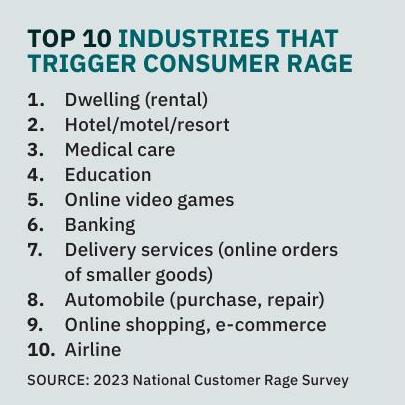 But yelling, cursing or bullying isn’t the way to resolve problems. If you want to complain effectively, here’s how.
Be polite and brief. After all, the person on the other end of the e-mail or phone call likely didn’t cause your problem. And long, emotional e-mails often go unread, so try to keep your written complaint to 250 words or less.
“You don’t want to be accusatory,” says Christopher Elliott, founder of Elliott Advocacy, a nonprofit organization that mediates disputes between consumers and companies. “You want to let them know what the problem is—as succinctly as possible—and what you want them to do to fix it. It’s like a demand letter that lawyers put out, but much nicer.”


This story is from the July 2025 edition of Kiplinger's Personal Finance.
Subscribe to Magzter GOLD to access thousands of curated premium stories, and 10,000+ magazines and newspapers.
Already a subscriber? Sign In
MORE STORIES FROM Kiplinger's Personal Finance

Kiplinger's Personal Finance
A Helping Hand for the Homeless
This nonprofit offers shelters, job programs, support in finding a home and more.

2 mins
January 2026

Kiplinger's Personal Finance
Downsizing Advice, Part II
My column on downsizing (see “Living in Retirement,” Oct.) struck a chord with readers. I heard from many who offered advice on successfully culling clutter.
2 mins
January 2026
Kiplinger's Personal Finance
WHY COMPANY GUIDANCE MATTERS
Understanding how corporate profit forecasts affect analysts' estimates and stock ratings can help you make investment decisions.
4 mins
January 2026

Kiplinger's Personal Finance
WHAT SCIENCE REVEALS ABOUT MONEY AND A HAPPY RETIREMENT
Whether you're still planning or already retired, these research-based insights point the way to your best post-work life.
12 mins
January 2026

Kiplinger's Personal Finance
WHAT TO KNOW ABOUT FLOOD INSURANCE
Even if your home is outside a high-risk area, you may want to purchase coverage.
2 mins
January 2026

Kiplinger's Personal Finance
My Retirement Learning Curve
THE NEW WORLD OF RETIREMENT
2 mins
January 2026

Kiplinger's Personal Finance
CREATE A FINANCIAL PLAN WITH THESE TOOLS
Online programs for do-it-yourselfers are better than ever-and they're affordable, too.
9 mins
January 2026

Kiplinger's Personal Finance
2026 MONEY CALENDAR
These key dates and tips will help you make the most of your money in the new year.
7 mins
January 2026
Kiplinger's Personal Finance
Should You Renew Your CD?
AFTER you put money in a certificate of deposit, you can sit back while it collects interest over its term. Once it reaches maturity, you'll face a decision: renew it or withdraw the funds.
1 mins
January 2026

Kiplinger's Personal Finance
GIVING THE BULL THE BENEFIT OF THE DOUBT
KIPLINGER: What do you see ahead for financial markets in 2026? Do you have a target price for the S&P 500?
5 mins
January 2026
Listen
Translate
Change font size