Try GOLD - Free
Soil Conservation
Hobby Farms
|January - February 2025
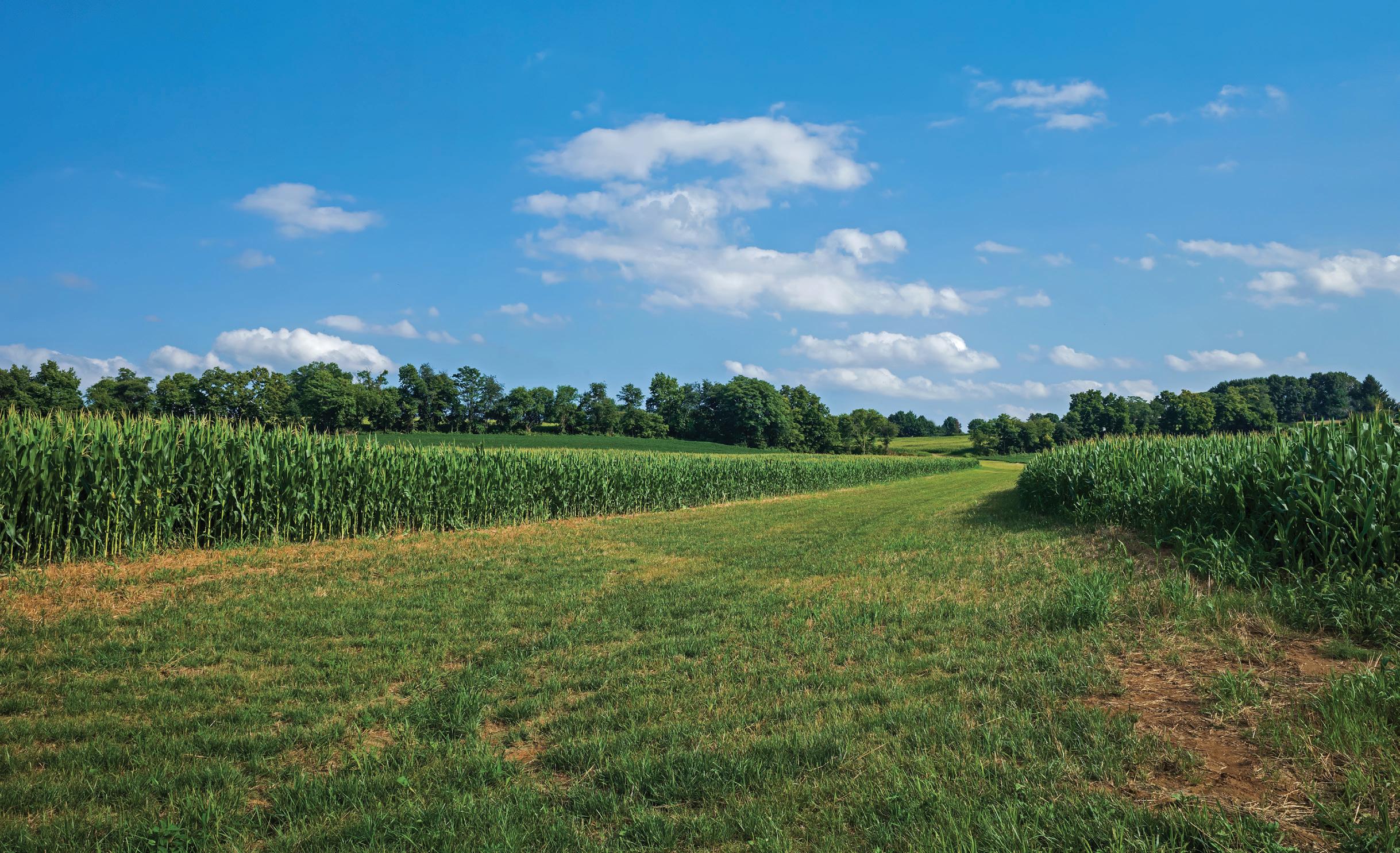
Often, outside of having a specific problem that needs to be addressed, soil conservation isn't something every farmer readily thinks about. Yet conserving the soil should be at or near the top of every farmer owner or manager's list of concerns because absent the prevention of soil erosion, we have the opportunity for another dust bowl.

“We also have the opportunity for algae blooms caused by phosphorus in our waters, which leads to eutrophication, or filling in, of our lakes,” says Cody Brown, district conservationist with the U.S. Department of Agriculture Natural Resources Conservation Service in Jasper, Tennessee. While the filling in of lakes is undesirable, Brown says that the algae blooms create dissolved oxygen problems in the water leading to fish kills.
Whether you’re concerned about existing erosion problems on your farm or want to be proactive in their prevention, there are steps you can take to help. Conservationists such as Brown rely on the voluntary participation of landowners who wish to conserve their land and implement a conservation plan that includes the interests of the landowner. These plans, Brown says, can focus on soil erosion, invasive species of plants on the property, or even plant productivity issues.
Soil Testing The first step in developing a plan is often collecting a soil test. “Soil sampling is one of our best tools,” Brown says. “We can’t understand what is going on with the soil until we analyze it.”
Results from the soil test allow problems with soil health to be remedied by adjusting pH levels along with various macro and micronutrients in that order. Examples of macronutrients include calcium, magnesium, nitrogen, phosphorus, potassium and sulfur.
Micronutrients include boron, copper, chlorine, iron, molybdenum, nickel and zinc. Organic matter content, made up of the tissue of plants and animals in decay, or calcium and magnesium ratio, follows.
Pastures & Crops Once these have been addressed through such practices as adding lime, fertilizer, etc. and the soil has been restored to good health, specific management practices are then woven into the conservation plan.


This story is from the January - February 2025 edition of Hobby Farms.
Subscribe to Magzter GOLD to access thousands of curated premium stories, and 10,000+ magazines and newspapers.
Already a subscriber? Sign In
MORE STORIES FROM Hobby Farms

Hobby Farms
NEW YEAR, NEW CROPS
As you make your garden plans for this season, consider these picks from growers across the country.

6 mins
January / February 2026

Hobby Farms
Garden-Scale Crop Rotation
You don't have to be a big-time farmer to benefit from rotating crops.
4 mins
January / February 2026
Hobby Farms
BELTED GALLOWAY CATTLE
The unique appearance of Belted Galloway cattle inspires many questions about their origins.
1 min
January / February 2026
Hobby Farms
Goat Parasites
Grazing on an overly soiled pasture can sometimes lead parasites in your goat herd.
3 mins
January / February 2026

Hobby Farms
Rediscover Ancient Grains
Explore these nutritious and adaptable grains, known by many cultures over thousands of years.
8 mins
January / February 2026

Hobby Farms
HIGHLAND CATTLE
Highland cattle are an old heritage breed known to have grazed the rugged Scottish landscape since the 6th century.
1 mins
January / February 2026
Hobby Farms
SAY CHEESE
KEEP 'EM COMING
1 min
January / February 2026

Hobby Farms
DIY Essential Oils
Steam-distill your own essential oils at home.
6 mins
January / February 2026
Hobby Farms
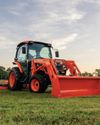
Kubota Goes Grand
Kubota Tractor Corp. has unveiled its latest innovation for small-scale farmers and landowners: the Grand L70 Series. Designed with residential and commercial users in mind, this series blends power, comfort and cutting-edge technology into one versatile machine. With three configurations available — premium, deluxe and cold weather — the Grand L70 Series is built to meet the diverse needs of today’s small farms and rural properties.
1 min
January / February 2026

Hobby Farms
Raising a Bottle Calf
Being raised on a dairy farm, I don't remember a time when I wasn't well-versed in the raising of bottle calves.
9 mins
January / February 2026
Listen
Translate
Change font size