
Go Unlimited with Magzter GOLD
Get unlimited access to 10,000+ magazines, newspapers and Premium stories for just
Try GOLD - Free
Mobs for Jobs
The Field
|March 2025
By the winter of 1942-43 British Special Forces had proven their worth but they were yet to face their greatest challenges
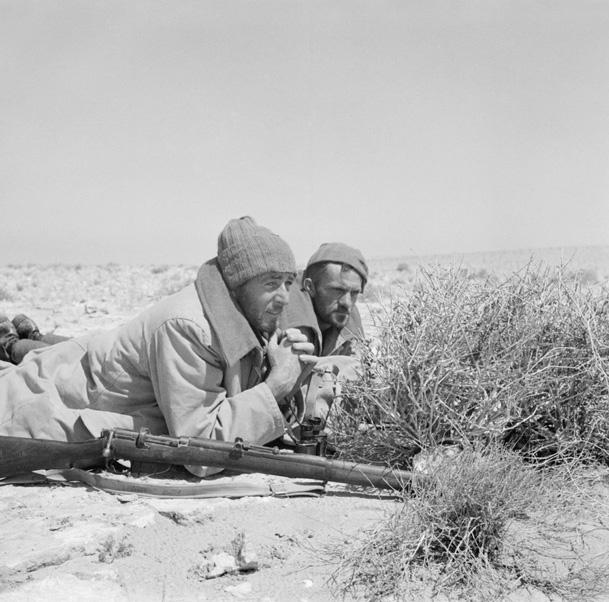
ON 14 FEBRUARY 1943 David Stirling was reported missing during a personal reconnaissance of the Gabès Gap. The Special Air Service’s (SAS) War Diary noted that he was a ‘believed prisoner of war’. Stirling’s rise had been meteoric.
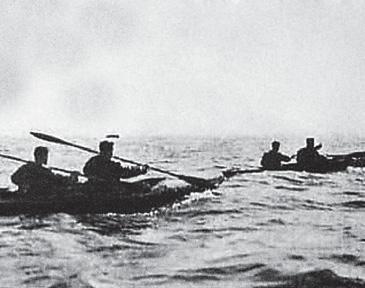 In early 1941 he had been a lacklustre Scots Guards subaltern attached to 8 Commando, with the nickname ‘Giant Sloth’. However, the unit he founded later that year – L Detachment, SAS – had, by the end of 1942, destroyed more enemy aircraft in theatre than the Royal Air Force, been raised to regimental status and he’d been promoted to Lieutenant Colonel. Cometh the hour, cometh the man? Perhaps.
 While it’s a step too far to credit Stirling with inventing a new form of warfare, his strategic vision, aided greatly by the skills of the Long Range Desert Group (LRDG) and the efforts of those under his command, had undoubtedly shown huge potential. The LRDG were not beyond, to quote its founder Major Ralph Bagnold, a bit of ‘piracy on the high desert’ but their principal role was in gathering intelligence and monitoring the enemy’s movements, and their skills lay in navigation and desert travel. After the SAS’s calamitous first operation, which saw half the force lost, it was able to access the LRDG’s talents and align it with its own propensity for destruction. And so a winning formula evolved.
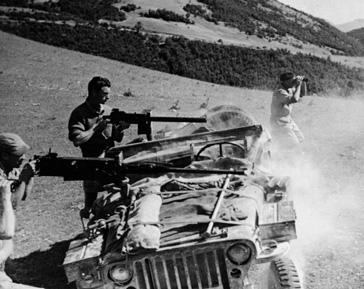 Stirling’s capture could have been a disastrous moment for Britain’s emerging Special Forces, for it wasn’t a given that the SAS would emerge from among the plethora of ‘private armies’ and ‘private navies’ to become the renowned force it is today.
 That the SAS did go on to greater things, with Stirling

This story is from the March 2025 edition of The Field.
Subscribe to Magzter GOLD to access thousands of curated premium stories, and 10,000+ magazines and newspapers.
Already a subscriber? Sign In
MORE STORIES FROM The Field

The Field
The Holland & Holland Edition by Overfinch
This exquisitely detailed bespoke Range Rover is built for the field and showcases the best in fine British craftsmanship

3 mins
January 2026

The Field
Digging into terrier breeds
From the Jack Russell to the Australian to the Czesky, every one of the 27 recognised terrier types is either native British or has British ancestry
3 mins
January 2026

The Field
100 O years of The Browning B25 Superposed
Often imitated but rarely bettered, Browning's B25 Superposed is among the most influential and enduring shotgun designs in gunmaking history
8 mins
January 2026
The Field
A princely pair
Probably built for the Prince of Lobkowicz and dating to 1727, these handsome flintlocks boast both Spanish and Austrian influence
3 mins
January 2026
The Field
Adventure in a bottle
From lively, zingy Sauvignon Blanc to cassis-laden Cabernet Sauvignon, Chilean wine opens the door to a world of incredible value and diversity
3 mins
January 2026

The Field
Patrick Grant
The Great British Sewing Bee judge, former Savile Row tailor and founder of Community Clothing talks to Amanda Morison about nature, scything and sustainable fashion
4 mins
January 2026

The Field
The ultimate winter warmer
An exhilarating day following the Ross Harriers across picture-perfect Herefordshire countryside proves an ideal way to banish the January blues
7 mins
January 2026

The Field
An impact that can only grow
As a landmark report reveals the impressive environmental, social, economic and health benefits of gardening, Ursula Buchan hopes policymakers are taking note
3 mins
January 2026

The Field
'Karamojo Bell'
The last of his kind, elephant hunter Captain Walter Dalrymple Maitland Bell left an indelible mark on African hunting history, says Sir Johnny Scott
4 mins
January 2026

The Field
Deer manager shortage fears
Plans to make deerstalking training mandatory in Scotland risk leaving the country short of deer managers, rural groups have warned.
1 min
January 2026
Listen
Translate
Change font size