Try GOLD - Free
Samarkand in five places
History Extra
|March 2026
The extraordinary Silk Road city in Uzbekistan, once capital of Timur's great empire, boasts an array of astonishing monuments. BRADLEY MAYHEW picks places that showcase a dazzling history
-
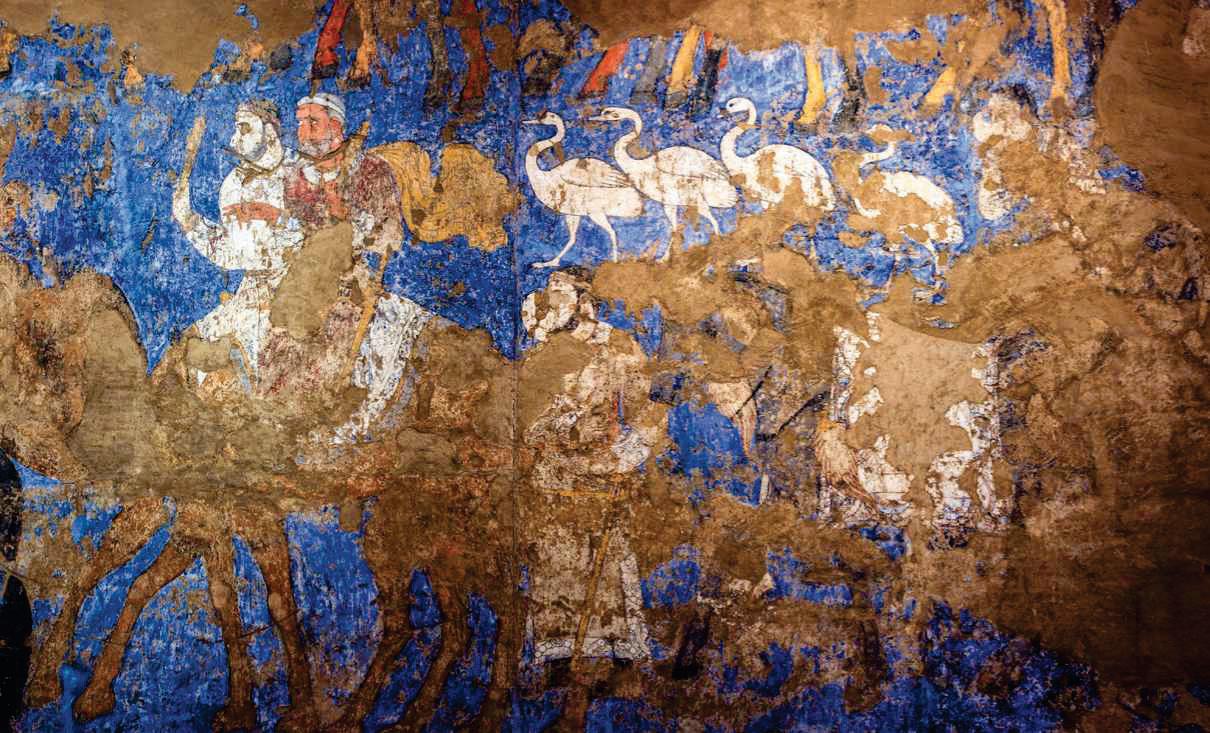
1 Afrosiab
First site
Centuries before Samarkand’s stately mosques, mausoleums and madrassas (Islamic schools) were built, a trading hub arose on what became known as the Silk Road. The site of the first ancient settlement, Afrosiab, lies just northeast of the modern centre.
Inhabited by 500 BC, the city first known as Marakanda was a major centre of the Sogdian civilisation. Taken by Alexander the Great in 329 BC, it changed hands many times more, including conquest by Arab Muslims in the eighth century. Then, in 1220, it was pulverised by Genghis Khan's Mongol army.
There's not much to see now beyond a few mud-walled ruins, but palace murals excavated from the site are displayed in the adjacent Afrosiab Museum — and they're astonishing. They depict the Sogdian king Varkhuman, flanked by ambassadors from China, Korea, Tibet and the Pamir Mountains. Featuring processions of elephants, hunting leopards and portraits of the Chinese Tang emperor, these huge, beautiful murals showcase Sogdian splendour at its zenith. Some were displayed in the recent British Museum Silk Roads exhibition.
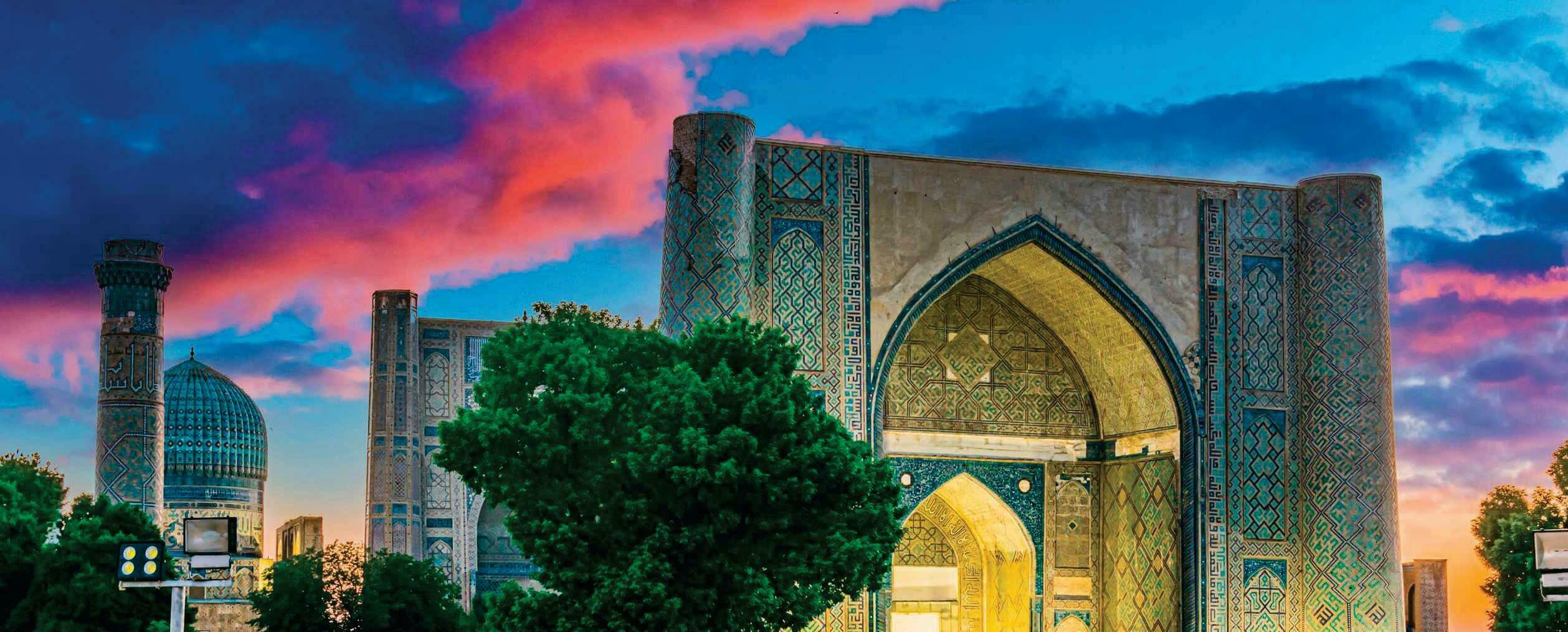 2 Bibi Khanum Mosque
Overreaching ambition
In the second half of the 14th century, Samarkand was the capital of Timur, widely known in the west as Tamerlane, a man of Turco-Mongol descent born nearby in 1336. Through long campaigns he conquered almost all inner Asia and the Middle East, creating one of the largest empires the world has seen.

This story is from the March 2026 edition of History Extra.
Subscribe to Magzter GOLD to access thousands of curated premium stories, and 10,000+ magazines and newspapers.
Already a subscriber? Sign In
MORE STORIES FROM History Extra
History Extra
Power and principles
GWILYM DODD applauds a biography of a cleric and statesman who combined political clout with spiritual integrity

2 mins
March 2026
History Extra
What is the biggest historical misconception?
Our team of historians, broadcasters and authors take aim at the most egregious fallacies about the past
10 mins
March 2026

History Extra
Split decisions
The history of motherhood, from childbirth to breastfeeding and working mothers, has enjoyed overdue scholarly attention in recent years.
1 mins
March 2026
History Extra
Statutes of liberty
In the 10th century, a Welsh king presided over legislation that recognised women's rights, offered consumer protection and removed physical punishments. Malcolm Smith tells the story of some of the most progressive laws ever to be enacted
8 mins
March 2026
History Extra
Victorian tragedy
My February issue of HistoryExtra magazine arrived today and I was fascinated to see the cover image informing readers of \"Lucy Worsley's hunt for a London serial killer\".
3 mins
March 2026
History Extra
Jews and Christians in York worked together for the common good
ON A COLD, GREY JANUARY DAY IN YORK, I climbed the steps to Clifford's Tower (pictured below), continuing all the way to the top to enjoy panoramic views across the city.
2 mins
March 2026
History Extra
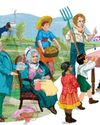
The Archers shows that the village still stands for the idea of community
THIS YEAR WE CELEBRATE 75 YEARS OF The Archers.
3 mins
March 2026
History Extra
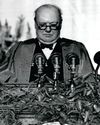
WHY CHURCHILL POKED THE RUSSIAN BEAR
It's 80 years since the war victor delivered his 'Iron Curtain' speech, sounding the alarm for a perilous new age. The speech, given as tensions with Stalin soared, is among the most famous in modern history. Yet, asks Richard Toye, has it been misunderstood?
10 mins
March 2026

History Extra
Sea changes
The title of this wideranging book is misleading: an overview of the medieval history of the Baltic lands, it starts before the crusades proper and follows the story through to the Reformation.
1 mins
March 2026
History Extra
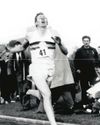
MY HISTORY HERO
Olympic gold medallist Amy Williams chooses
2 mins
March 2026
Listen
Translate
Change font size