
Go Unlimited with Magzter GOLD
Get unlimited access to 10,000+ magazines, newspapers and Premium stories for just
Try GOLD - Free
Artificial intelligence shows promise in hydroponics farming
Farmer's Weekly
|January 30 - February 06, 2026
The precision farming technology sector is hard at work developing artificial intelligence-based solutions for growers, but such systems cannot simply be plugged into existing systems, says Jeanne van der Merwe.
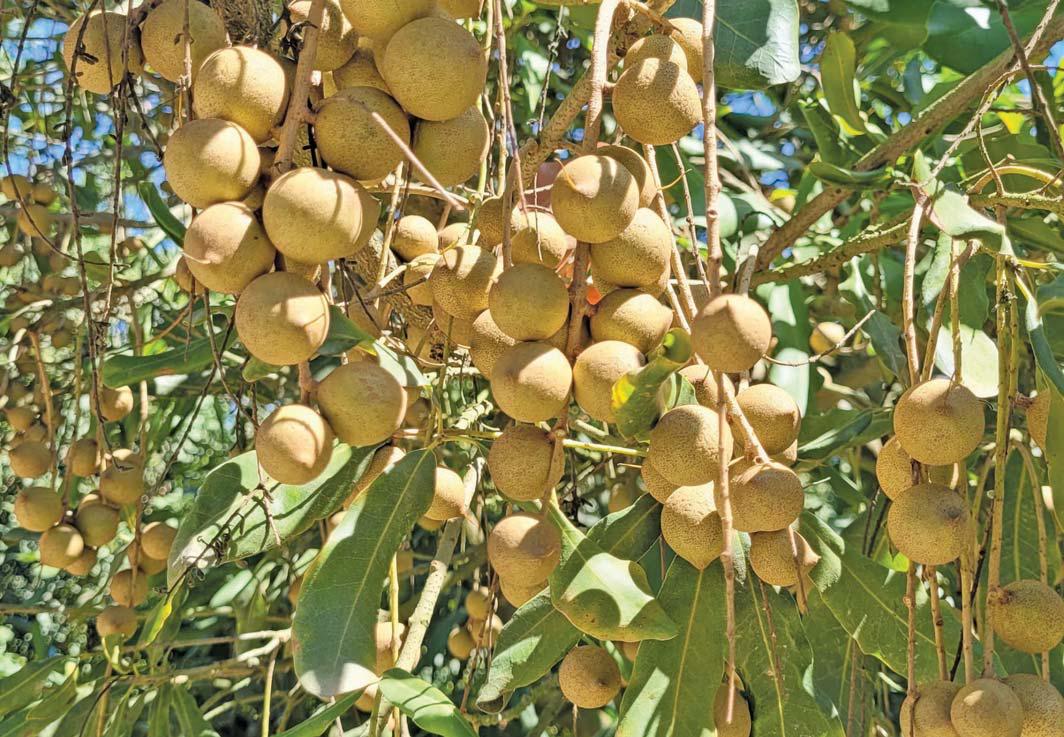
The principle of implementing artificial intelligence (AI) in hydroponic farming systems is simple: integrate the production and monitoring technology in a hydroponic system, link them to an AI algorithm for your chosen crop, train it to perform the necessary actions according to your required parameters, and enjoy the resulting improvements in yield and income.
Designing a custom AI solution is, however, a far cry from typing a query into a chatbot. While AI-run production systems have been built in research settings, they do have limitations.
“We often see AI requested where the underlying need is better sensing, data capture, monitoring, or rule-based automation,” says Shaun Lamminga, engineering executive at Farmtrace, an enterprise resource planning provider focusing on agriculture that has implemented a range of systems in South Africa focusing on data capture, verification, telemetry, and traceability.
On occasion, their systems have included selective AI use, particularly with regard to computer vision and forecasting.
Lamminga says often the problems clients want them to solve do not necessarily require AI applications. “In many cases, traditional control systems, thresholds, trend analysis, and well-designed workflows solve the problem more cost-effectively and with less operational risk. AI tends to add real value only once the fundamentals are already in place.
“In highly controlled environments, most operational gains come from accurate sensing, calibration, monitoring, and responsive control systems. These approaches can guide adjustments to production parameters very effectively without the cost and complexity of training and maintaining AI models.


This story is from the January 30 - February 06, 2026 edition of Farmer's Weekly.
Subscribe to Magzter GOLD to access thousands of curated premium stories, and 10,000+ magazines and newspapers.
Already a subscriber? Sign In
MORE STORIES FROM Farmer's Weekly

Farmer's Weekly
Egon Zunckel: a lifetime of learning from the soil
The Zunckel name is synonymous with no-till farming in South Africa. Egon Zunckel, a pioneer in the field and a passionate advocate for soil health, shared with Lindi Botha the lessons he has learnt over the years about building resilient soils and sustainable farming systems.

10 mins
March 27 - April 3, 2026
Farmer's Weekly
Researchers explore new tools to combat herbicide resistance
Research by students from Stellenbosch University aimed at combatting herbicide resistance was highlighted during a recent technical trial information day hosted by the Western Cape Department of Agriculture.
6 mins
March 27 - April 3, 2026

Farmer's Weekly
Lepas leaps into South Africa as the latest Chery-owned brand
Lepas has become Chinese carmaker Chery's latest local subbrand with the introduction of the L4 compact SUV. The Citizen's Charl Bosch reports.
2 mins
March 27 - April 3, 2026

Farmer's Weekly
La Rhone Limousins: a small mixed herd turned renowned stud
The Western Cape is not typically known for cattle farming, particularly in its fruit-growing regions. Yet nestled among the orchards below the mountains of Tulbagh is a Limousin stud that has made a name for itself. AJ du Toit of La Rhone Limousins spoke to Henning Naudé about producing high-quality genetics now found on farms in all nine provinces.
6 mins
March 27 - April 3, 2026
Farmer's Weekly
Nitrogen: no easy fix
Products that claim to herald a nitrogen revolution that will boost global food production are nothing more than snake oil, say scientists.
4 mins
March 27 - April 3, 2026

Farmer's Weekly
Potato soup
Rich, creamy, and indulgent, this soup is the ultimate in comfort food.
1 mins
March 27 - April 3, 2026

Farmer's Weekly
Fill your Easter basket with some books
Patricia McCracken has put together a delightful cocktail of titles to tuck into during the April long weekend break that offers the bookworm an appetising alternative to the traditional sweet treats.
3 mins
March 27 - April 3, 2026
Farmer's Weekly
New Holland T7 and T6000 tractor series
In line with the advancement of technology, implements, and systems in the agriculture sector, New Holland is modifying their new-generation tractors to keep pace with farmers' needs in the future, writes Jaco du Preez.
2 mins
March 27 - April 3, 2026

Farmer's Weekly
The kiss of the golden serpent
The Swedish zoologist Carl Linnaeus captured a Cape cobra at the Cape of Good Hope in 1758 and introduced it to science for the first time. Mike Burgess investigates why and how these incredibly well-adapted snakes are often involved in deadly interactions with humans.
3 mins
March 27 - April 3, 2026
Farmer's Weekly
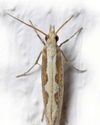
Diamond-back moth remains a key pest to monitor in South African canola
Canola is a cornerstone of South Africa's winter rainfall region, with record yields approaching 300 000t. While it boosts soil health and diversification, the crop remains highly vulnerable to the rapid three-week life cycle of the diamond-back moth. Success depends on early detection of 'windowing' feeding patterns to protect stands and maintain industry momentum.
4 mins
March 27 - April 3, 2026
Listen
Translate
Change font size