Try GOLD - Free
The appliance of science
Horse & Hound
|October 02, 2025
How can science help reduce the risk of fractures in racing, and in turn societal concerns about horses in sport?
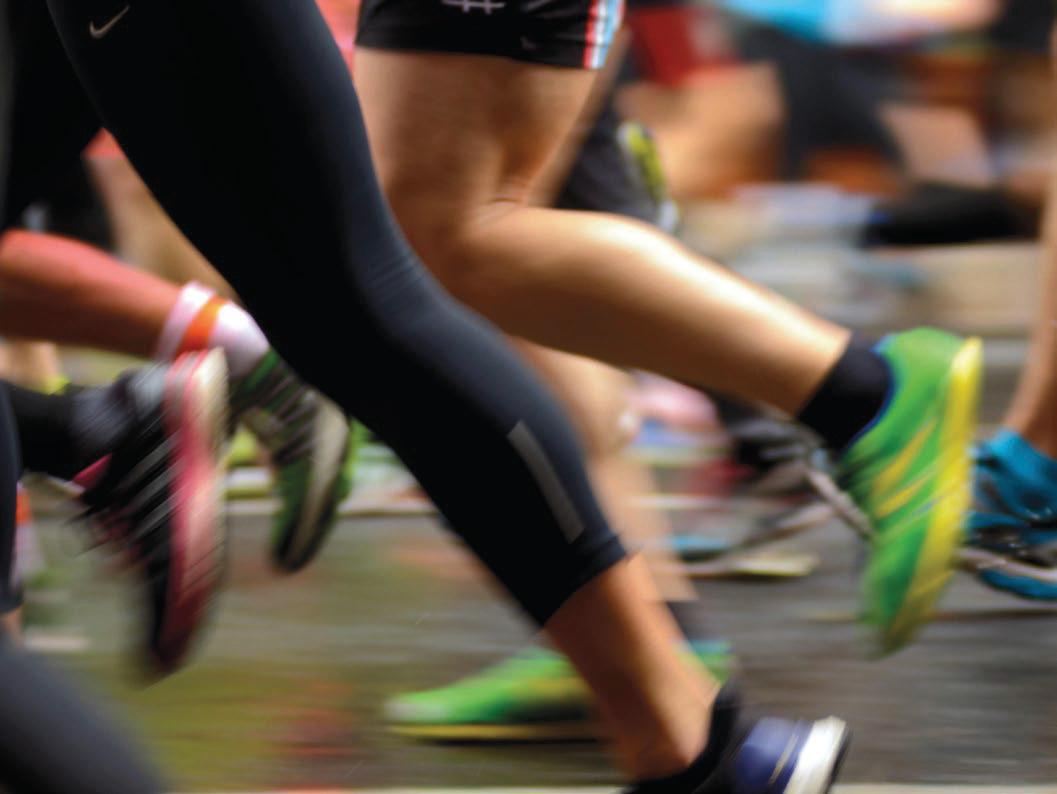
How can science help reduce the risk of fractures in racing, and in turn societal concerns about horses in sport? Christopher M Riggs FRCVS explains
WORK behind the scenes, in research laboratories globally over the past 50 years, has made a big impact on our understanding of why horses sustain fractures when racing and, more recently, ways to prevent them. It is a good example of how science can contribute to horse sports and how investment in research is critical if we are serious about addressing some of the concerns society has about the welfare of horses in sport.
Most fractures that occur in horses during racing happen in the absence of any obvious incident; one second the horse is galloping, the next it is hobbling to a stop. While it is tempting to think that the horse must have taken a misstep on uneven ground, we now know that these fractures are the end stage of a process that started weeks earlier. This last race just happened to be the one that “broke the camel's back”.
Bone plays many vital roles, the most obvious being to provide rigid support to the body and to facilitate muscular action to create movement. Individual bones, especially those of the limbs, are subject to loads with every step. Each load will bend the bones, deforming them by small amounts. Microscopic damage is caused to a bone's structure each time it is deformed. Accumulation of this damage is referred to as material fatigue. If the material fatigue accumulates above a threshold level, then a bone may be weakened to a point where it will fail at loads within the range of those experienced in normal life.
Studies in engineering labs, where bone is treated as a structural material, and standardised bone specimens are machined and tested in materials testing machines, have demonstrated that the rate of microscopic damage increases rapidly as the magnitude of the load increases (see figure 1, right).

This story is from the October 02, 2025 edition of Horse & Hound.
Subscribe to Magzter GOLD to access thousands of curated premium stories, and 10,000+ magazines and newspapers.
Already a subscriber? Sign In
MORE STORIES FROM Horse & Hound
Horse & Hound
Fresh air and vitamin D
Tessa Waugh focuses on the positives – and the useful effects of “liver-shaking” – at the start of the new year, banishing covetous thoughts of a friend's life in the southern hemisphere

2 mins
January 08, 2026
Horse & Hound
Life beyond college
Careers in the horse world are plentiful and diverse. Sian Lovatt finds out what educational pathways lead where – and it’s not always to the original destination
4 mins
January 08, 2026
Horse & Hound
Volatus triumphs in battle of the golden oldies
Veteran racehorses are celebrated at Sandown and we reflect on some cracking highlights from the festive period
1 mins
January 08, 2026
Horse & Hound
Sharper, smarter, stronger
What can a spell in showjumping teach an eventer? And how might eventing enhance a dressage horse? Bethany Stone talks to the elite riders who have multiple disciplines on their CVs
7 mins
January 08, 2026
Horse & Hound
Las Palmas is going places
Leo Lamb triumphs with a seriously exciting 10-year-old “with team potential” and a horse fills a sad void for one winning rider
3 mins
January 08, 2026
Horse & Hound
Charles celebrates winning start
Harry Charles and Casquo Blue begin 2026 with grand prix glory, just pipping Scott Brash and Hello Folie
1 min
January 08, 2026

Horse & Hound
Treble delight for Poste
Two female trainers dominate at Horseheath with multiple victories, while point-to-pointing bids farewell to record holder Will Biddick
3 mins
January 08, 2026
Horse & Hound
Christmas cheer
The Pytchley with Woodland hounds are in fine form, with big fields out during the festive season
1 min
January 08, 2026
Horse & Hound
When the going gets tough
How do I teach my horse to jump out of soft ground? Ellie Hughes asks Olympic event rider Nicola Wilson and five-star cross-country supremo Tom Crisp
5 mins
January 08, 2026

Horse & Hound
‘Most good training looks dull’
Anna Ross on London, young horses and why good training is rarely flashy
3 mins
January 08, 2026
Listen
Translate
Change font size