Try GOLD - Free
Losing touch with reality
BBC Wildlife
|June 2025
As AI becomes increasingly powerful, what does it mean for the wildlife images we see?
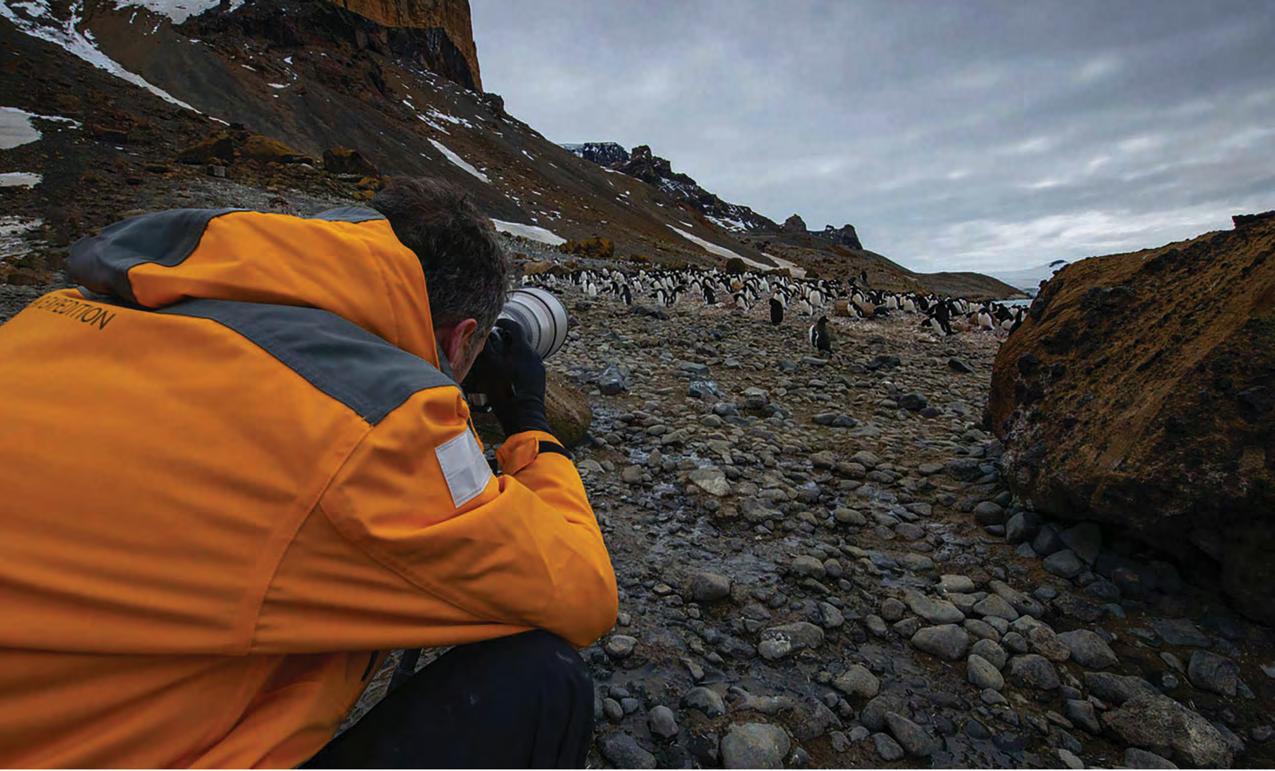
COMPARE TIM FLACH’S WILDLIFE portraits with almost identical images created by artificial intelligence (AI) and you are aware of two things - they are remarkably lifelike but you can still quite easily spot the fake.
The AI colours of a snow leopard, for example, are a little too bright, the definition too sharp. The AI bald eagle stares back at the viewer with cartoonish malevolence - it appears that computers don’t do birds, or perhaps feathers, especially well at the moment. In short, AI is good - but not that good. Not yet, anyway.
Leaving aside the fact that Flach’s photos were ‘scraped’ from his website without payment to enable the AI program to learn (the question of copyright and AI is currently being debated in parliament), the big issue is: at what point does the machine become so good we can no longer tell one from the other? And what does that mean?
Flach is in no doubt about the dark shadows looming over his profession. “When the border between what we deem to have existed and not existed starts to dissolve, we have a truly existential problem because we don't know what to trust,” he says.
He adds that it’s only a matter of time before the AI image is indistinguishable from the real thing. Indeed, outside of wildlife photography, they already are. In 2023, a German artist called Boris Eldagsen topped a category at the Sony World Photography Awards with an image of two women he’d created entirely on a computer.
Eldagsen turned the prize down after admitting to the trick he’d pulled, but his ability to produce something that could fool photography experts suggests that Flach’s border between reality and make-believe has already melted away. This is clearly problematic for all forms of news-based photography, including wildlife photography.


This story is from the June 2025 edition of BBC Wildlife.
Subscribe to Magzter GOLD to access thousands of curated premium stories, and 10,000+ magazines and newspapers.
Already a subscriber? Sign In
MORE STORIES FROM BBC Wildlife
BBC Wildlife
"I was terrified the elephant would ram us"
African elephant in Kenya

2 mins
January 2026
BBC Wildlife
ALL YOU EVER NEEDED TO KNOW ABOUT THE Fennec fox
THE FENNEC FOX IS THE SMALLEST fox in the world, with a body length that can be as little as 24cm.
3 mins
January 2026
BBC Wildlife
INTO THE PLASTISPHERE
A unique synthetic ecosystem is evolving in our oceans – welcome to the plastisphere
7 mins
January 2026
BBC Wildlife
“More than half of all animal life exists in a parasitic relationship, and all life lives in symbiosis”
Our survival depends on species evolving to live together - but some relationships take dark turns
7 mins
January 2026
BBC Wildlife
Are animals able to dream?
SLEEP IS A MYSTERIOUS THING. FOR A long time, we weren't sure why we do it.
1 mins
January 2026
BBC Wildlife
Does a cuckoo know it's a cuckoo?
ABSURD LITTLE BIRDS ACROSS THE world lay their eggs in the nests of other species, leaving the hapless parents to raise a changeling at the expense of their own offspring.
2 mins
January 2026
BBC Wildlife
Orcas killing young sharks
Juvenile great whites are easy prey for orca pod
1 mins
January 2026
BBC Wildlife
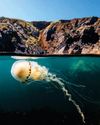
Ocean goes on tour
Acclaimed film touring the UK, backed by live orchestra and choir
1 min
January 2026
BBC Wildlife
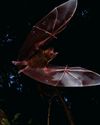
Feisty bats hunt like lions
Winged mammals use a 'hang and wait' strategy to take down large prey
1 mins
January 2026
BBC Wildlife
SNAP-CHAT
Richard Birchett on magical merlins, wily coyotes and charging deer
2 mins
January 2026
Listen
Translate
Change font size