Try GOLD - Free
Implants Ready To Replace Pills And Prescriptions
PC Pro
|April 2017
Tiny computers can take control of our nervous system with remarkable results, finds Alex Reis.

Imagine visiting your doctor and, instead of leaving with a prescription, you come out with a small device implanted in your body and a new app on your phone. No more worrying about what time you must take a pill – all you need do is let technology take its course.
As implausible as it sounds, this day may not be too far away.
This is the promise of bioelectronic medicine – a field where our nervous system is treated like a hackable, electrical infrastructure. It’s an area of study that asks: what if, instead of using drugs to treat a condition, implants could control and tweak our bodies? What if, somewhere down the line, you could combat a tumour by harnessing your own neural signals?
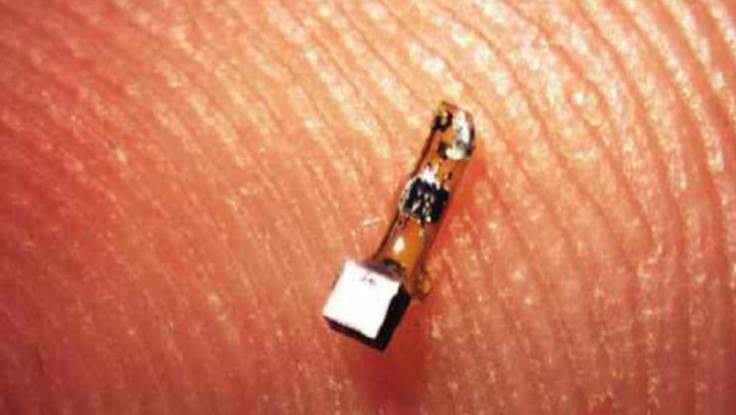
HACKING THE NERVOUS SYSTEM
For Kevin Tracey, based at the Feinstein Institute for Medical Research in New York and one of the pioneers in this field, it all started with a desire to understand inflammation. For years, his team studied why the body reacts so dramatically to inflammatory conditions, such as rheumatoid arthritis and psoriasis, and why these diseases are so difficult to treat.
In patients with rheumatoid arthritis, for example, current treatments typically involve prescription drugs to block the production of a protein called tumour necrosis factor (TNF), which the body generates excessive amounts of in cases of inflammation. However, there are many problems with blocking TNF – not least the high price of treatment and potentially life-threatening side effects.


This story is from the April 2017 edition of PC Pro.
Subscribe to Magzter GOLD to access thousands of curated premium stories, and 10,000+ magazines and newspapers.
Already a subscriber? Sign In
MORE STORIES FROM PC Pro
PC Pro
DrayTek VigorSwitch P2542x
A good-value gigabit PoE+ switch witha high port density, a big power budget and heaps of features

3 mins
February 2026

PC Pro
Jabra PanaCast 40 VBS
This smart VC combo offers on-demand Microsoft Teams Rooms and BYOD modes, plus great image quality
2 mins
February 2026

PC Pro
"Progress lies not with the trusted brands but through innovators in the gaming sector"
In the land where everyone is in a bind, those with the smallest devices will be king - or, why mini systems make such great diagnostic devices
8 mins
February 2026

PC Pro
Ubiquiti Networks UniFi U7 Pro XG
This classy tri-band business Wi-Fi AP delivers the perfect blend of features, performance and value
2 mins
February 2026

PC Pro
6 things to watch for in 2026
What to expect from the year ahead in the tech industry
5 mins
February 2026

PC Pro
HP OmniBook X Flip 14
HP OmniBook X Flip 14 HP continues to flip the rules on what to expect for around a grand, making this our top choice for 14in convertibles
3 mins
February 2026

PC Pro
Beelink SER9 Pro (Ryzen 7H255)
The novel AMD Ryzen 7 H 255 processor delivers strong all-round performance in a well-built system
3 mins
February 2026

PC Pro
The ICO clearly isn't fit for purpose
Experts have called for an inquiry into the Information Commissioner's Office – and they couldn't be more right
3 mins
February 2026

PC Pro
Medion Erazer Hunter X30
A basic chassis for the price, but you can't argue with the quality of the hardware within or the price
3 mins
February 2026

PC Pro
WHAT THE HELL HAPPENED TO THE INTERNET?
THE INTERNET HAS BEEN DRAGGED DOWN BY ENSHITTIFICATION, ACCORDING TO CORY DOCTOROW. IAIN THOMSON SITS DOWN WITH HIM TO DISCUSS WHAT WENT WRONG-AND HOW WE FIGHT BACK.
10 mins
February 2026
Translate
Change font size