
Go Unlimited with Magzter GOLD
Get unlimited access to 10,000+ magazines, newspapers and Premium stories for just
Try GOLD - Free
Unhealthy Climate
Down To Earth
|September 1, 2016
As the global negotiations increasingly talk about the impacts of climate change on health, the upcoming UN CoP meet in Morocco will debate one important aspect: how to fund health adaptation

IN JULY this year, Siberia, one of the world’s coldest permanently inhabited towns with temperatures dipping to -70°C, reported cases of anthrax. It is a disease caused by bacterium Bacillus anthracis, which thrives in hot and humid trop- ics. Anthrax has already spread to 1,500 raindeer in the area and infected 40 residents. It has also killed a 12-year-old boy.
What prompted the outbreak? Recent high temperatures in the region, which have touched 35°C, have started melting the permafrost, exposing the carcass of an already-infected reindeer, which scientists say had remained frozen for over 75 years.
The anthrax outbreak is another rude reminder of how climate change is increasingly impacting our health and lives, a correlation that has largely been overlooked in the global climate change talks. Picture this: For the first 21 years of the annual Conferences of Parties (cops) to the UN Framework Convention on Climate Change (unfccc), health failed to feature in a big way. But the narrative is slowly changing.
The message from the recently concluded Second Global Conference on Health and Climate in Paris was clear—health has to be included “in an integral way in future climate negotiations”. The meeting held on July 7-8 by the World Health Organization (who) and the French government, which currently holds the presidency of cop to the unfccc, could provide the right setting to include health in the upcoming cop meeting in Morocco this year. Even who is now actively intervening in major multilateral fora to integrate health in climate talks. For example, a major effort is being made to include the health agenda in Habitat III, a UN Conference on Housing and Sustainable Urban Development, which will take place in Ecuador during October 17–20, 2016.
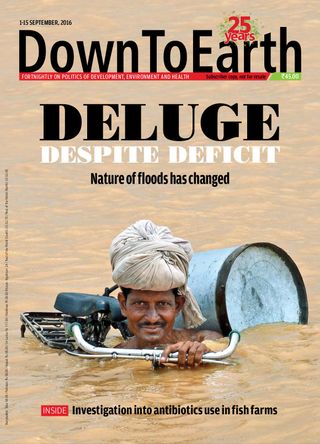

This story is from the September 1, 2016 edition of Down To Earth.
Subscribe to Magzter GOLD to access thousands of curated premium stories, and 10,000+ magazines and newspapers.
Already a subscriber? Sign In
MORE STORIES FROM Down To Earth
Down To Earth
THINK TWICE BEFORE FELLING SAL TREES
Many trees considered to be affected by sal borer in the 1990s are still alive today

1 mins
February 16, 2026
Down To Earth
EDGE OF SURVIVAL
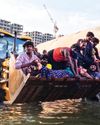
Caste divides deny marginalised communities land, resources and essential aid, leaving them more vulnerable to climate disasters
6 mins
February 16, 2026

Down To Earth
A WISH LIST?
Union Budget for 2026-27 conveys the impression of a roll-call of intentions and ambitious proposals, with little detail on their formulation
6 mins
February 16, 2026
Down To Earth
Break down the gender wall
THE RULING National Democratic Alliance (NDA) government has been heavily invested in the goal to make India a developed economy by 2047.
2 mins
February 16, 2026

Down To Earth
MENSTRUAL HEALTH, NOW A FUNDAMENTAL RIGHT
In a landmark judgement, the Supreme Court has recognised menstrual health and hygiene as a fundamental right under Article 21 of the Constitution of India, which guarantees the right to life and dignity.
8 mins
February 16, 2026

Down To Earth
Of devolution and new disasters
The 16th Finance Commission pushes for changes in view of new fiscal and climatic conditions
11 mins
February 16, 2026
Down To Earth
Rising risks of plastics
NEGATIVE IMPACTS on human health due to emissions linked to the plastic lifecycle could double by 2040, according to a study published in The Lancet Planetary Health in January.
1 min
February 16, 2026

Down To Earth
GAP BETWEEN EPIDEMICS NARROWING
A watershed-based and landscape-level approach is needed to address forest degradation
2 mins
February 16, 2026
Down To Earth
WAITING TO STRIKE
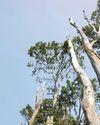
Sal heartwood borer is considered the biggest threat to forestry in India, especially to the sal tree, where it lives and breeds.
11 mins
February 16, 2026
Down To Earth
A SPRING DELIGHT
Mustard flowers are not meant only for the eyes. Invite them to your plate once in a while
3 mins
February 16, 2026
Translate
Change font size