
Go Unlimited with Magzter GOLD
Get unlimited access to 10,000+ magazines, newspapers and Premium stories for just
RESISTANCE & REBELLION
History of War
|Issue 106, 2022
Many tribes stood against the legions, putting up a fierce fight that made the Roman conquest of Britain far from a foregone conclusion
-

Four legions were considered enough to conquer Britain, and this was probably the number decided under Caligula (r.37-41 CE). These were the legions 2nd Augusta, 9th Hispana, 14th Gemina and the 20th Valeria Victrix, drawn from other parts of the empire, including the Rhine frontier. Their availability suggests the long-standing planning involved in the invasion, because moving such units at short notice would’ve left a gap in the defence of a frontier. Supporting these legions was probably an equal number of auxiliary and supporting troops.
Many of our sources are frustratingly incomplete or they don’t give us all the information we would like. Suetonius names only one commander, Plautius, whereas Eutropius (writing 300 years later) mentions two: Plautius and Saturninus. We don’t know if there were two battle groups or anything about the invasion plan. It is possible there were two invasion axis points: one at Rutupiae, at the Isle of Thanet, and the other near Chichester in West Sussex. In later invasions of Britain (when it broke away from the empire), two invasion points were utilised.
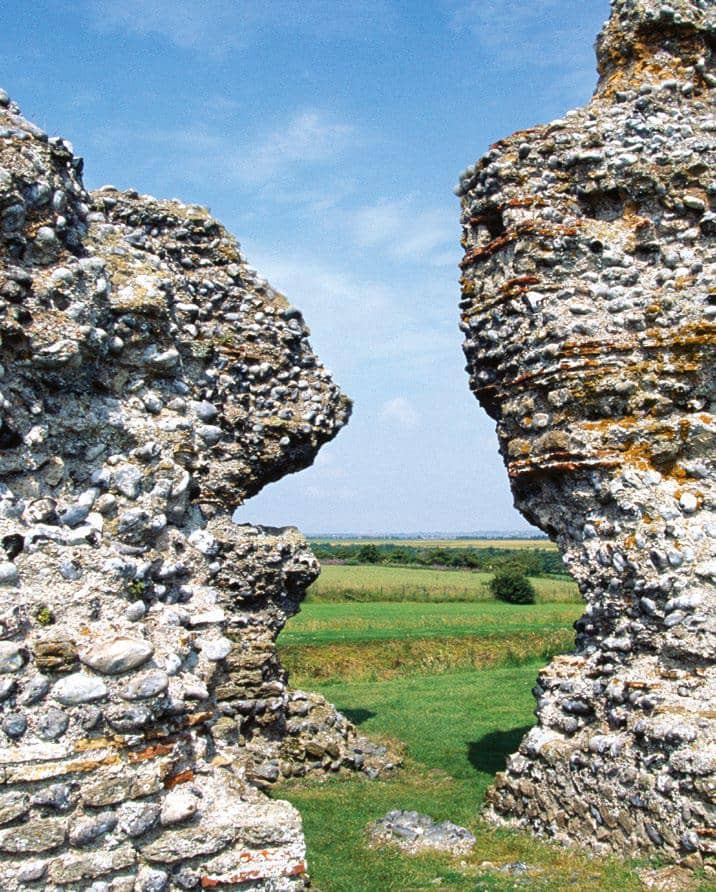
The fort at Rutupiae (modern-day Richborough) seems to have been one landing point, and it still has the remains of a triumphal arch built to commemorate Claudius’ conquest. The invasion may also have used supplies and logistics put in place with client kings such as Togodumnus, king of the Catuvellauni tribe based at St Albans.

This story is from the Issue 106, 2022 edition of History of War.
Subscribe to Magzter GOLD to access thousands of curated premium stories, and 10,000+ magazines and newspapers.
Already a subscriber? Sign In
MORE STORIES FROM History of War

History of War
MORE MISS MONEYPENNY THAN MATA HARI WOMEN SPIES THROUGHOUT THE DECADES
THEY LOOKED LIKE ORDINARY HOUSEWIVES, MOTHERS AND SECRETARIES IN SENSIBLE CLOTHES AND STURDY SHOES. BUT THESE INNOCUOUS WOMEN WERE EMBARKED ON COURAGEOUS AND OFTEN TREACHEROUS MISSIONS AS SECRET AGENTS

4 mins
Issue 153
History of War
THE END OF GREAT POWERS
Full-spectrum analysis of a state's economy, technology, leadership, society and alliances could be a superior way of predicting battlefield performance
3 mins
Issue 153
History of War
THE BATTLE OF JERUSALEM 9 JANUARY - 11 DECEMBER 1917
During a campaign that lasted nearly a year, British and Arab forces defeated the Ottoman Turks and entered the ancient city
7 mins
Issue 153
History of War
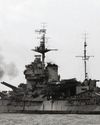
QUEEN ELIZABETH CLASS BATTLESHIP
These five super-dreadnoughts set the standard for early 20th century warship design in speed, firepower and protection and were the first fast battleships of the age
4 mins
Issue 153
History of War
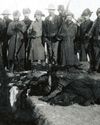
THE MASSACRE AT WOUNDED KNEE
In 1890, US troops killed more than 250 Lakota, at a location that remains the focus of resistance and dark controversy
10 mins
Issue 153
History of War
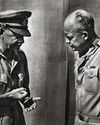
BORN IN NORTH AFRICA
HOW THE TUNISIA CAMPAIGN FORGED THE 'SPECIAL RELATIONSHIP'
3 mins
Issue 153
History of War
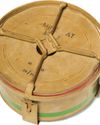
ANTI-TANK MINE
This lightweight General Service Mk V device could immobilise Hitler's heavy tanks and was used during fighting in Northwest Europe
1 mins
Issue 153
History of War
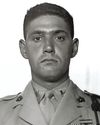
HEROES OF THE MEDAL OF HONOR BALDOMERO LOPEZ
During the daring landings at Inchon in 1950, this first lieutenant sacrificed his life to save his US Marine comrades
6 mins
Issue 153
History of War
NORTH KOREA'S ROCKET REVOLUTION
After the peninsula was divided by a long-term ceasefire, Pyongyang and Seoul raced to build weapons that could obliterate each other
4 mins
Issue 153
History of War
THE GREAT TRAIN RAID THE MOST DARING SAS MISSION OF WWII
DAMIEN LEWIS' LATEST SAS ADVENTURE IS CHARACTERISTICALLY FAST-PACED AND ACTION-PACKED
2 mins
Issue 153
Translate
Change font size