
Go Unlimited with Magzter GOLD
Get unlimited access to 10,000+ magazines, newspapers and Premium stories for just
Ronald Brautigam
BBC Music Magazine
|April 2017
In years gone by, the very sight of a fortepiano in a concert hall might have sent audiences haring for the exit. Thankfully, says Brautigam, perceptions of the instrument have since changed for the better
-

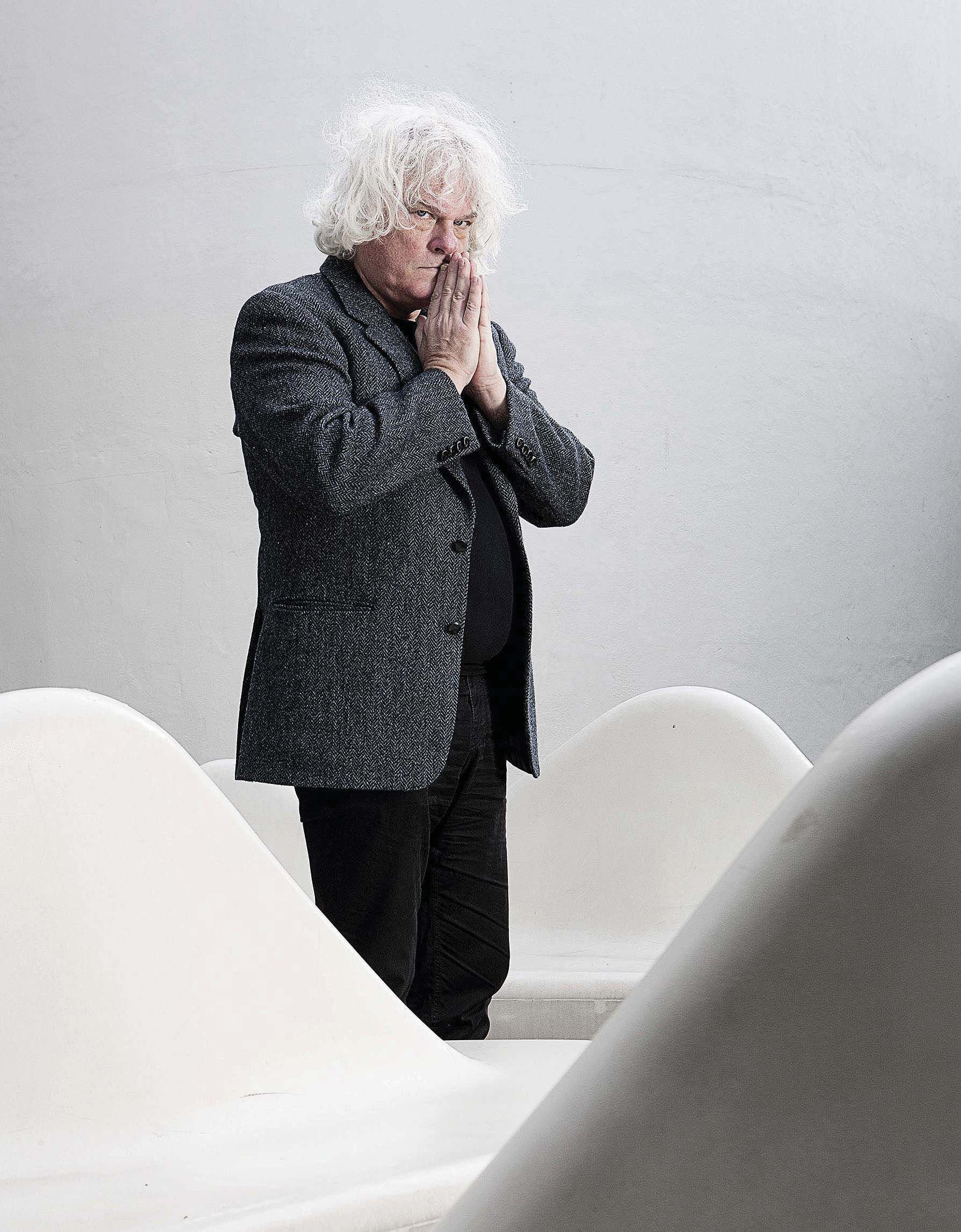
Ronald Brautigam’s career with the fortepiano, which has shaped his musical life, came about by chance. In Amsterdam in the late 1980s, he found that he was living only two streets away from the American piano-builder Paul McNulty who had begun, after a short period with Steinway in New York, to explore the world of the early piano. Brautigam’s visit to McNulty’s workshop proved decisive. ‘It was a happy accident, no more. I played an instrument, and I knew I wanted to have it. I ordered one.’ Mozart’s Sonata in F major, K332 proved enough. ‘I heard it quite differently, and everything seemed so natural.’
Brautigam had studied with pianist Rudolf Serkin in the early ’80s, and when I ask whether he’d discussed the fortepiano with that legendary player, he smiles. ‘No. He would have thought there was no point, and at that time so would I. It was simply not something that you would speak about.’
There is an intriguing history, however. Peter Serkin, Rudolf ’s son, has combined has overwhelming enthusiasm for late-Romantic piano music with recordings of Beethoven sonatas on instruments of the time, and found no difficulty in moving comfortably between the two worlds. Within ten years or so of completing his own studies in traditional style, Brautigam was established as a master of older instruments – when he was still in AR his 30s – and since then has been one of the figures who has brought the fortepiano in from the cold. He speaks about the change with affection and some amusement, having watched audiences warm to performances that reveal a different sound without sounding odd. He accepts there was a time when many people would stay away if they thought a fortepiano was going to be involved.

This story is from the April 2017 edition of BBC Music Magazine.
Subscribe to Magzter GOLD to access thousands of curated premium stories, and 10,000+ magazines and newspapers.
Already a subscriber? Sign In
MORE STORIES FROM BBC Music Magazine
BBC Music Magazine
Hiss and make-up
From boos to vegetables, opera stars have had to put up with all sorts being aimed in their direction over the centuries

8 mins
Christmas 2025

BBC Music Magazine
A vivid and intimate portrait of Mahler
Anna Lucia Richter brings striking depth and expressive insight to the composer's song-settings
2 mins
Christmas 2025

BBC Music Magazine
It's all in the genes
Is it a bonus or a burden to be the musical child of musical parents?
7 mins
Christmas 2025
BBC Music Magazine
Banff Canada
Spectacular views and equally stunning string quartet performances are on Jeremy Pound's agenda as he heads to the Canadian Rockies
3 mins
Christmas 2025

BBC Music Magazine
Morten Lauridsen
Terry Blain explores the life of a self-imposed recluse whose magical O Magnum Mysterium beguiles millions of listeners each Christmas
6 mins
Christmas 2025

BBC Music Magazine
In good faith
Composer Roxanna Panufnik and writer Jessica Duchen tell Amanda Holloway how they have joined forces for a new choral work that looks well beyond Christmas for its festive celebrations
8 mins
Christmas 2025

BBC Music Magazine
Westward Ho!
Composer Alex Ho is part of a growing community of musicians combining their British and Chinese heritage in fascinating ways
7 mins
Christmas 2025

BBC Music Magazine
Music & mercy
explores Venice's Ospedale della Pietà, the girls' orphanage where Vivaldi taught and composed
7 mins
Christmas 2025
BBC Music Magazine
Jingle hell!
As the Christmas season approaches, the BBC Music Magazine team share the festive tunes that make our hearts sink
9 mins
Christmas 2025
BBC Music Magazine
Bach's recycled choral music brings festive cheer to Leipzig
Shout, exult, arise, praise these days! Glorify what the Almighty today has done!' Early on the morning of 25 December 1734, these words resounded from the choir stalls of the Thomaskirche, Leipzig, to a jubilant accompaniment of festive timpani, pealing trumpets and scampering violins. Seated at a keyboard, the church's director of music Johann Sebastian Bach marshalled the musicians in a performance of the cantata Jauchzet, frohlocket! Auf, preiset die Tage, which preceded the sermon in the morning service.
3 mins
Christmas 2025
Translate
Change font size