
Go Unlimited with Magzter GOLD
Get unlimited access to 10,000+ magazines, newspapers and Premium stories for just
THE ADAPTORS
BBC Wildlife
|June 2022
As the world warms, animals are adapting. Here are six species transforming themselves in amazing ways to cope with the rising mercury.
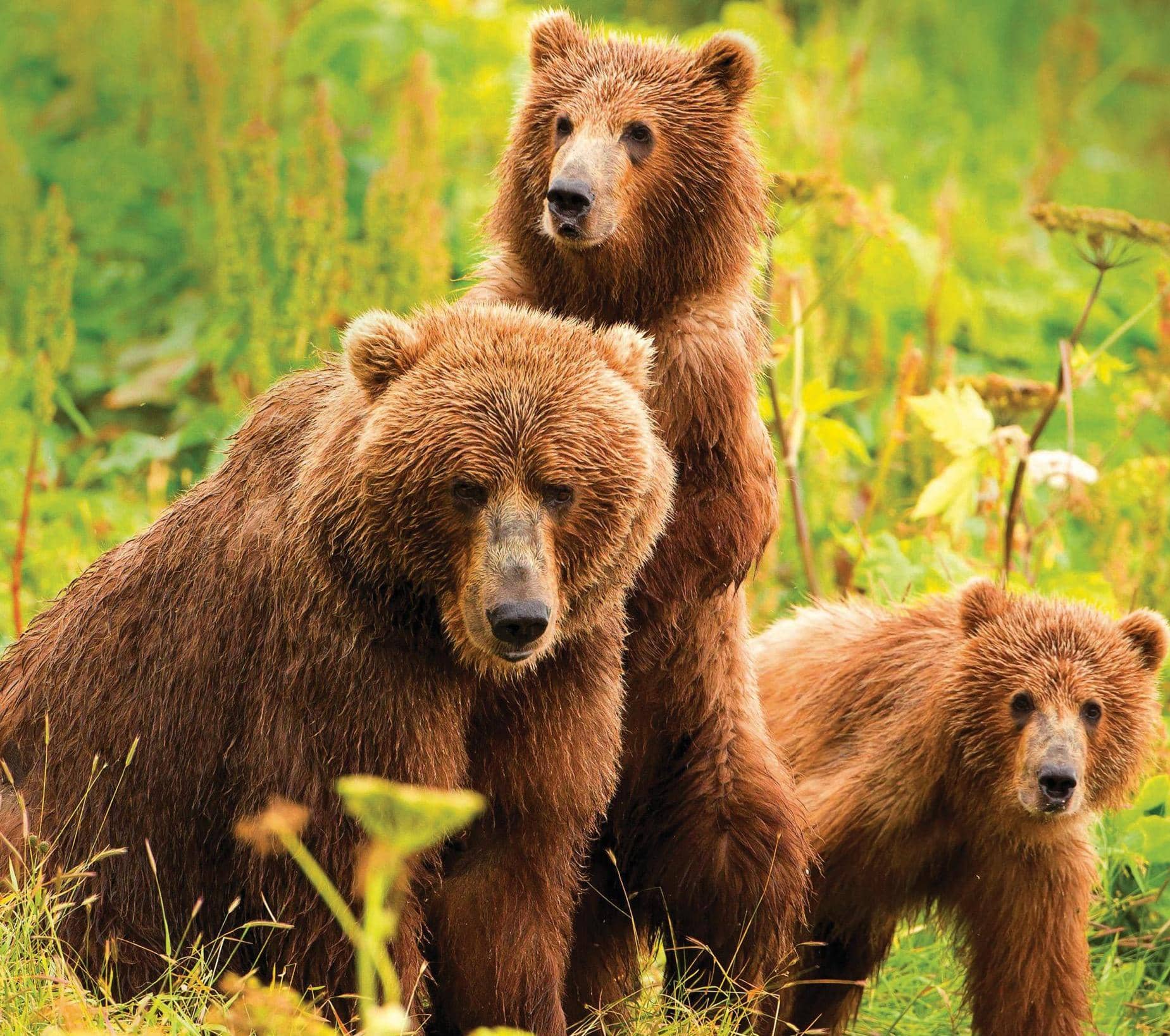
THE BIOLOGICAL IMPACTS OF CLIMATE CHANGE ARE too often summarized by one image: a polar bear stranded on a shrinking iceberg. Though iconic, this trope glosses over the rich story of struggle and adaptation that underpins all climate change scenarios. Because what matters is not so much the change itself, as the responses to that change. If every species was able to get along just as well in all conditions, then altering the weather wouldn't matter in the slightest. But that's not how nature works. Biodiversity stems from specialisation, a great accumulation of plants and animals adapted to particular environmental conditions. With those conditions now in flux, species must react in order to survive - changing locations, behaviours and even their bodies in profound and surprising ways.
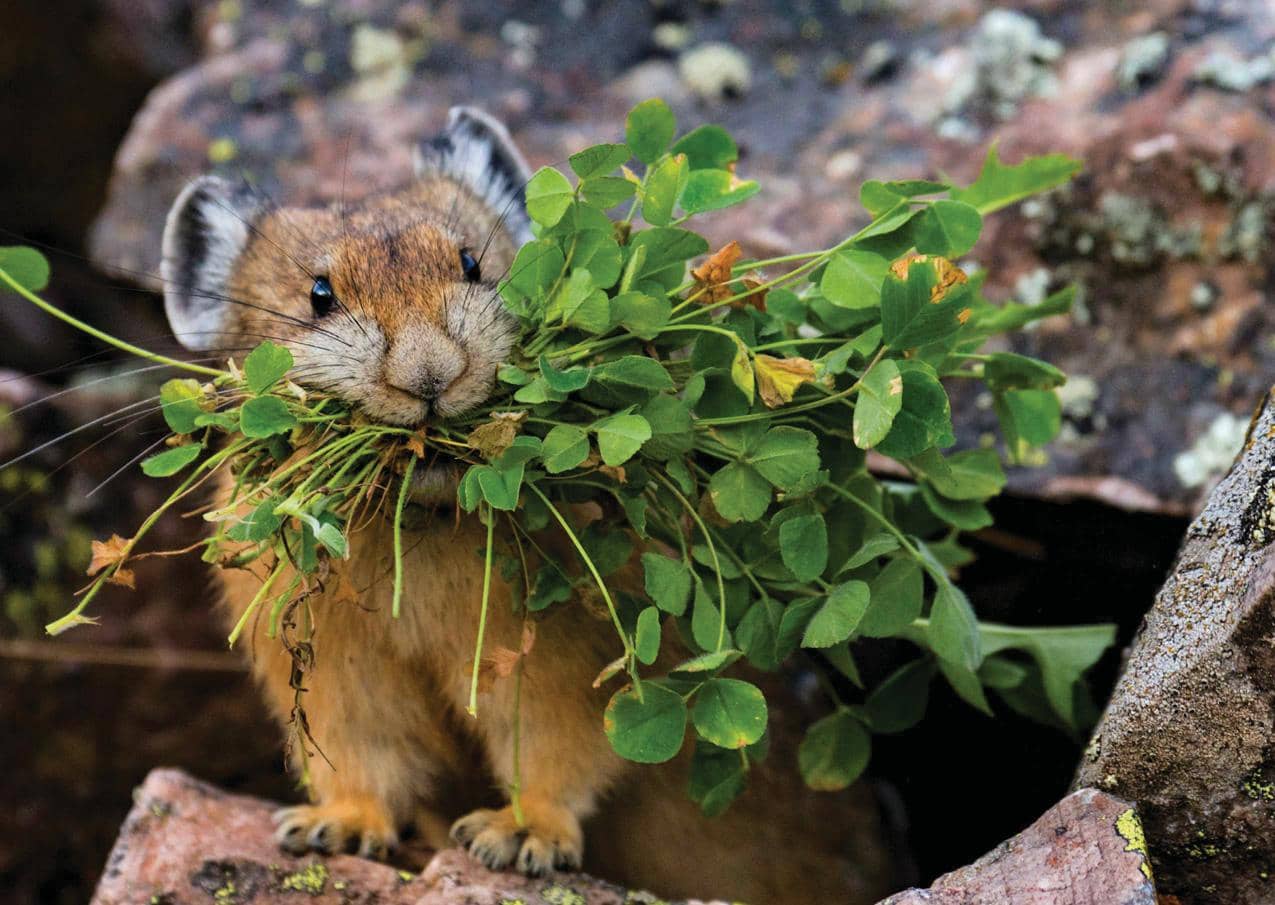
Chilling on the rocks
Rocky Mountains, USA
Pikas benefit from a cool microclimate
IMAGINE A GREYISH-BROWN, RABBIT-LIKE creature the size of a grapefruit and nearly as round that is an American pika. These rotund little mammals inhabit high mountains from the Rockies westwards to the Pacific Ocean, and have always been considered at risk in a warming climate. Like other alpine residents, pikas have nowhere else to go when temperatures rise and habitats shift uphill. But in an era defined by change and adaptation, new research suggests they might benefit from an unusual strategy - do nothing.
Pikas live almost exclusively in and around rocky slopes known as taluses, nesting in crevices between the boulders and venturing out only a few feet to gather grasses and wildflowers from nearby meadows. (They drag the snipped vegetation back home for later consumption, storing it in piles charmingly referred to - even in scientific papers -as haystacks.)


This story is from the June 2022 edition of BBC Wildlife.
Subscribe to Magzter GOLD to access thousands of curated premium stories, and 10,000+ magazines and newspapers.
Already a subscriber? Sign In
MORE STORIES FROM BBC Wildlife
BBC Wildlife
"I was terrified the elephant would ram us"
African elephant in Kenya

2 mins
January 2026
BBC Wildlife
ALL YOU EVER NEEDED TO KNOW ABOUT THE Fennec fox
THE FENNEC FOX IS THE SMALLEST fox in the world, with a body length that can be as little as 24cm.
3 mins
January 2026
BBC Wildlife
INTO THE PLASTISPHERE
A unique synthetic ecosystem is evolving in our oceans – welcome to the plastisphere
7 mins
January 2026
BBC Wildlife
“More than half of all animal life exists in a parasitic relationship, and all life lives in symbiosis”
Our survival depends on species evolving to live together - but some relationships take dark turns
7 mins
January 2026
BBC Wildlife
Are animals able to dream?
SLEEP IS A MYSTERIOUS THING. FOR A long time, we weren't sure why we do it.
1 mins
January 2026
BBC Wildlife
Does a cuckoo know it's a cuckoo?
ABSURD LITTLE BIRDS ACROSS THE world lay their eggs in the nests of other species, leaving the hapless parents to raise a changeling at the expense of their own offspring.
2 mins
January 2026
BBC Wildlife
Orcas killing young sharks
Juvenile great whites are easy prey for orca pod
1 mins
January 2026
BBC Wildlife
Ocean goes on tour
Acclaimed film touring the UK, backed by live orchestra and choir
1 min
January 2026
BBC Wildlife
Feisty bats hunt like lions
Winged mammals use a 'hang and wait' strategy to take down large prey
1 mins
January 2026
BBC Wildlife
SNAP-CHAT
Richard Birchett on magical merlins, wily coyotes and charging deer
2 mins
January 2026
Translate
Change font size