
Go Unlimited with Magzter GOLD
Get unlimited access to 10,000+ magazines, newspapers and Premium stories for just
Extinction A Force Of Nature
BBC Wildlife
|July 2021
Today, extinction is a term we associate with the spiralling loss of species at human hands. Yet it is also an entirely natural phenomenon that is as creative as it is destructive.

For as long as there has been life on Earth, there has been extinction. It’s easy to assume that extinction must be a terrible thing, and that we should do everything we can to stop a species from disappearing. We strive to avoid death throughout our lives, so we naturally see extinction as something to fight. But just as death will come to each of us, every species of animal, plant, fungus and microbe will eventually be consigned to the history books.
One million species across the planet are currently threatened with extinction. It’s a devastating statistic that instils an instant fight response. But as we place extinction under the microscope, we learn that it is a wholly natural biological process that actually helps to drive evolution. Species evolve; they adapt and they go extinct.
It’s a difficult and confusing narrative during a global ecological emergency, but if we are to stand any chance in prioritising species for conservation, saving vulnerable habitats and ecosystems, and ensuring we are not responsible for one of the most devastating episodes in the history of life on Earth, then we need to understand extinction itself.
So, what drives extinction, and what makes some species disappear more easily than others? We associate the word ‘extinction’ with two things. First, the dinosaurs, because they’re probably the group we most associate as having gone through the extinction process. There’s every chance a Triceratops is galloping through your thoughts right now.
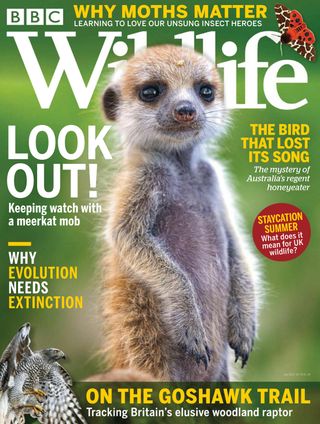

This story is from the July 2021 edition of BBC Wildlife.
Subscribe to Magzter GOLD to access thousands of curated premium stories, and 10,000+ magazines and newspapers.
Already a subscriber? Sign In
MORE STORIES FROM BBC Wildlife
BBC Wildlife
"I was terrified the elephant would ram us"
African elephant in Kenya

2 mins
January 2026
BBC Wildlife
ALL YOU EVER NEEDED TO KNOW ABOUT THE Fennec fox
THE FENNEC FOX IS THE SMALLEST fox in the world, with a body length that can be as little as 24cm.
3 mins
January 2026
BBC Wildlife
INTO THE PLASTISPHERE
A unique synthetic ecosystem is evolving in our oceans – welcome to the plastisphere
7 mins
January 2026
BBC Wildlife
“More than half of all animal life exists in a parasitic relationship, and all life lives in symbiosis”
Our survival depends on species evolving to live together - but some relationships take dark turns
7 mins
January 2026
BBC Wildlife
Are animals able to dream?
SLEEP IS A MYSTERIOUS THING. FOR A long time, we weren't sure why we do it.
1 mins
January 2026
BBC Wildlife
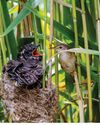
Does a cuckoo know it's a cuckoo?
ABSURD LITTLE BIRDS ACROSS THE world lay their eggs in the nests of other species, leaving the hapless parents to raise a changeling at the expense of their own offspring.
2 mins
January 2026
BBC Wildlife
Orcas killing young sharks
Juvenile great whites are easy prey for orca pod
1 mins
January 2026
BBC Wildlife
Ocean goes on tour
Acclaimed film touring the UK, backed by live orchestra and choir
1 min
January 2026
BBC Wildlife
Feisty bats hunt like lions
Winged mammals use a 'hang and wait' strategy to take down large prey
1 mins
January 2026

BBC Wildlife
SNAP-CHAT
Richard Birchett on magical merlins, wily coyotes and charging deer
2 mins
January 2026
Translate
Change font size