Versuchen GOLD - Frei
No Haircut For Dalits
Outlook
|August 21, 2024
Despite being illegal, despite the years of independence and progress India has made the practice of untouchability continues to plague the country's Dalit citizens
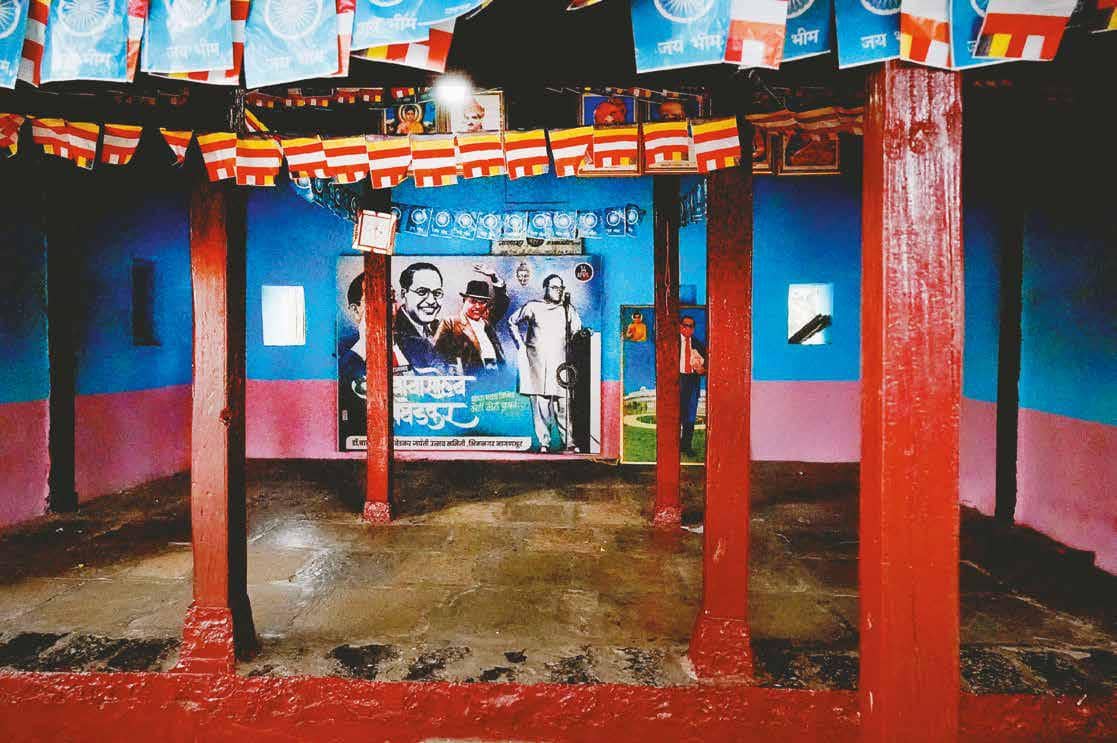
SANTOSH Nagoji takes a deep breath and walks toward the hole-in-the-wall men's salon on a Thursday evening. He needs a haircut but dares not enter the 10 x 10 sq feet parlour, painted with pink walls, and take up the empty seat next to two customers. He knows what the barber's response will be. Standing at a distance from the salon's threshold, he still curtly asks, “Kesa kapnar ka (will you give me a haircut)?"
The hairdresser is about to nod when a customer getting a facial stops him. Taking one look at Nagoji he coldly says, "Dalit aahe toh (he is a Dalit)."
In most places, barber shops serve as a space for grooming, hygiene, occasional gossip, and social interaction. For Nagoji a well-built 33-year-old from the Mahar caste, who works on contract as a delivery driver in Mumbai, it is an everyday place of exploitation, discrimination, and humiliation. A place to avoid, a no-go zone.
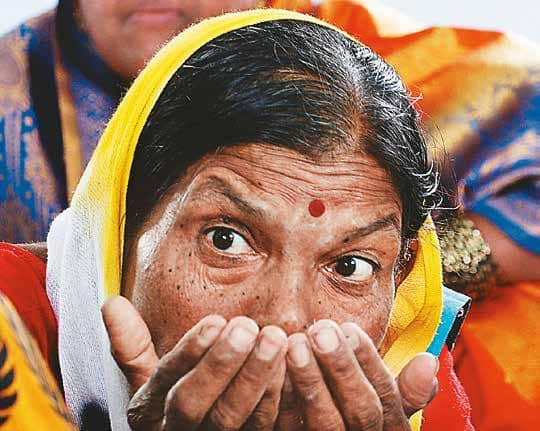
"No haircut for Dalits," a strictly enforced caste-based prohibition, is a custom, zealously practised in the village of Nagansur, Tondlur, Navindagi and others in Solapur's Akkalkot taluka on the Maharashtra-Karnataka border. The dominant caste of Lingayats-a politically strong community-maintains an upper hand over the scheduled castes of Mahars, Matangs, Dhor and Chambhar living in these villages. In Nagansur of the 8500-odd population, Lingayats constitute the majority and only 1500 are scheduled castes and tribes. They treat members of Other Backward Castes (OBCs) and Muslims as relatively equal citizens. Dalits, however, are ostracised; haircuts in barber shops being one of the examples.

Diese Geschichte stammt aus der August 21, 2024-Ausgabe von Outlook.
Abonnieren Sie Magzter GOLD, um auf Tausende kuratierter Premium-Geschichten und über 9.000 Zeitschriften und Zeitungen zuzugreifen.
Sie sind bereits Abonnent? Anmelden
WEITERE GESCHICHTEN VON Outlook

Outlook
The Big Blind Spot
Caste boundaries still shape social relations in Tamil Nadu-a state long rooted in self-respect politics

8 mins
December 11, 2025
Outlook
Jat Yamla Pagla Deewana
Dharmendra's tenderness revealed itself without any threats to his masculinity. He adapted himself throughout his 65-year-long career as both a product and creature of the times he lived through
5 mins
December 11, 2025
Outlook
Fairytale of a Fallow Land
Hope Bihar can once again be that impossibly noisy village in Phanishwar Nath Renu's Parti Parikatha-divided, yes, but still capable of insisting that rights are not favours and development is more than a slogan shouted from a stage
14 mins
December 11, 2025

Outlook
The Lesser Daughters of the Goddess
The Dravidian movement waged an ideological war against the devadasi system. As former devadasis lead a new wave of resistance, the practice is quietly sustained by caste, poverty, superstition and inherited ritual
2 mins
December 11, 2025
Outlook
The Meaning of Mariadhai
After a hundred years, what has happened to the idea of self-respect in contemporary Tamil society?
5 mins
December 11, 2025

Outlook
When the State is the Killer
The war on drugs continues to be a war on the poor
5 mins
December 11, 2025
Outlook
We Are Intellectuals
A senior law officer argued in the Supreme Court that \"intellectuals\" could be more dangerous than \"ground-level terrorists\"
5 mins
December 11, 2025
Outlook
An Equal Stage
The Dravidian Movement used novels, plays, films and even politics to spread its ideology
12 mins
December 11, 2025
Outlook
The Dignity in Self-Respect
How Periyar and the Self-Respect Movement took shape in Tamil Nadu and why the state has done better than the rest of the country on many social, civil and public parameters
5 mins
December 11, 2025

Outlook
When Sukumaar Met Elakkiya
Self-respect marriage remains a force of socio-political change even a century later
7 mins
December 11, 2025
Listen
Translate
Change font size