
Gå ubegrenset med Magzter GOLD
Få ubegrenset tilgang til over 9000 magasiner, aviser og premiumhistorier for bare
Prøve GULL - Gratis
No Haircut For Dalits
Outlook
|August 21, 2024
Despite being illegal, despite the years of independence and progress India has made the practice of untouchability continues to plague the country's Dalit citizens
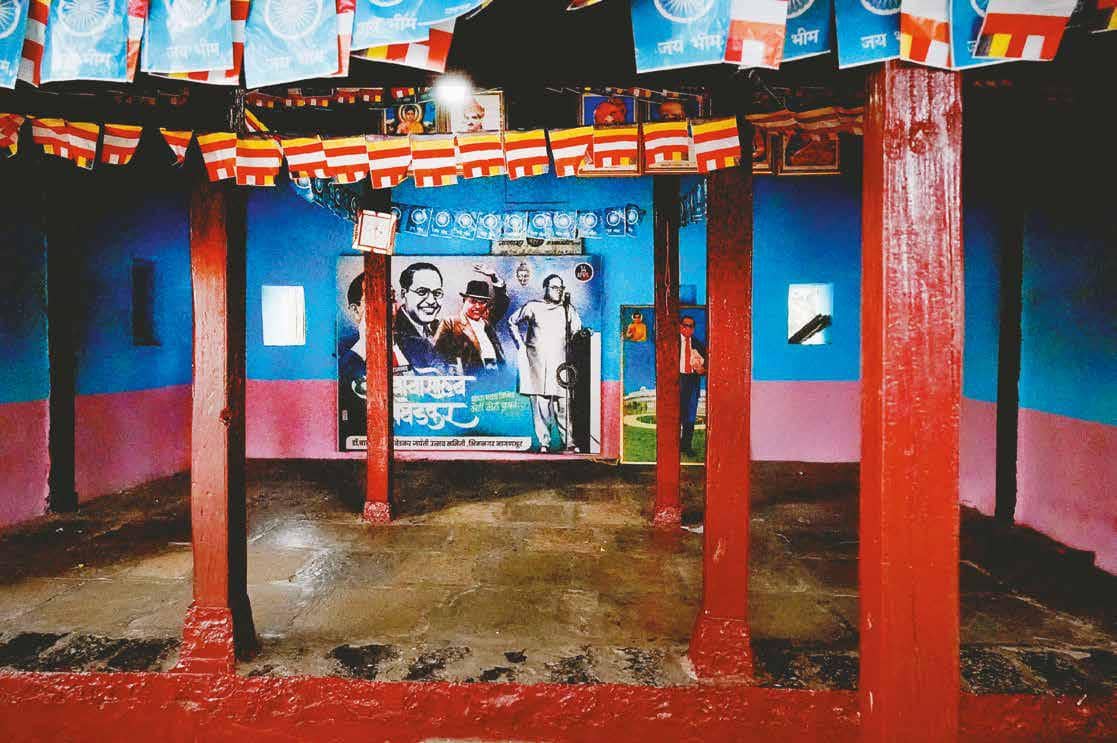
SANTOSH Nagoji takes a deep breath and walks toward the hole-in-the-wall men's salon on a Thursday evening. He needs a haircut but dares not enter the 10 x 10 sq feet parlour, painted with pink walls, and take up the empty seat next to two customers. He knows what the barber's response will be. Standing at a distance from the salon's threshold, he still curtly asks, “Kesa kapnar ka (will you give me a haircut)?"
The hairdresser is about to nod when a customer getting a facial stops him. Taking one look at Nagoji he coldly says, "Dalit aahe toh (he is a Dalit)."
In most places, barber shops serve as a space for grooming, hygiene, occasional gossip, and social interaction. For Nagoji a well-built 33-year-old from the Mahar caste, who works on contract as a delivery driver in Mumbai, it is an everyday place of exploitation, discrimination, and humiliation. A place to avoid, a no-go zone.
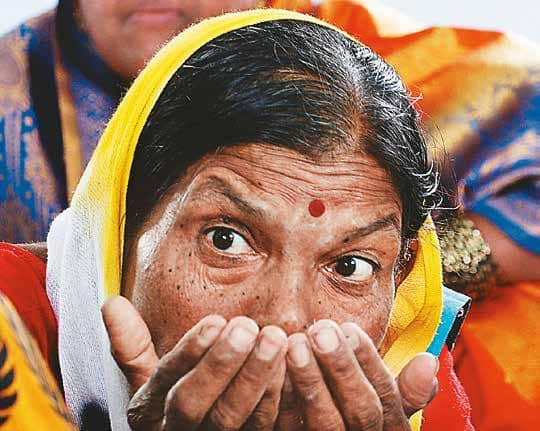
"No haircut for Dalits," a strictly enforced caste-based prohibition, is a custom, zealously practised in the village of Nagansur, Tondlur, Navindagi and others in Solapur's Akkalkot taluka on the Maharashtra-Karnataka border. The dominant caste of Lingayats-a politically strong community-maintains an upper hand over the scheduled castes of Mahars, Matangs, Dhor and Chambhar living in these villages. In Nagansur of the 8500-odd population, Lingayats constitute the majority and only 1500 are scheduled castes and tribes. They treat members of Other Backward Castes (OBCs) and Muslims as relatively equal citizens. Dalits, however, are ostracised; haircuts in barber shops being one of the examples.

Denne historien er fra August 21, 2024-utgaven av Outlook.
Abonner på Magzter GOLD for å få tilgang til tusenvis av kuraterte premiumhistorier og over 9000 magasiner og aviser.
Allerede abonnent? Logg på
FLERE HISTORIER FRA Outlook

Outlook
'Why GDP Growth Doesn't Always Translate Into Votes'
The recent election results have once again shown that economic growth alone does not guarantee electoral victory.

3 mins
June 06, 2026

Outlook
Lights, Camera, Othering
The establishment of Israel has been accompanied by a national cinema devoted to negating and erasing the Palestinian Other
5 mins
June 06, 2026

Outlook
Goodbye to All That
Booker-winning British author Julian Barnes' Departure(s) is a unique hybrid work: playful, philosophical, whimsical
4 mins
June 06, 2026

Outlook
Collapse of Trust
As the NEET-UG 2026 paper leak forced the cancellation of India’s biggest medical entrance exam, more than 22 lakh aspirants find themselves trapped in uncertainty
11 mins
June 06, 2026

Outlook
NO LONGER A TWELFTH MAN
Bihar cricket, which has languished in the shadows for long, is all set to improve its strike rate, thanks to Vaibhav Sooryavanshi, the new Bihari kid on the block
5 mins
June 06, 2026

Outlook
BLAZE OF GLORY
The challenges of being a celebrity cricketer at a young age can be tough to handle
5 mins
June 06, 2026

Outlook
THE SWASHBUCKLERS
A new generation of fearless stars is emerging and finding its feet at the very top of an extremely competitive cricketing environment
5 mins
June 06, 2026

Outlook
THE TEEN TORNAD
At the age of 15, Vaibhav Sooryavanshi is already a cricketing legend
10 mins
June 06, 2026
Outlook
A Journey to Remember
The prerecorded message crackled over the din in the compartment: ‘Welcome to the Shatabdi Express.
4 mins
June 06, 2026

Outlook
Crossing Borders
Ruth Martin is the translator of German-Iranian author Shida Bazyar’s novel The Nights are Quiet in Tehran (originally written in German), which has been shortlisted for the 2026 International Booker Prize.
4 mins
June 06, 2026
Listen
Translate
Change font size