
Mit Magzter GOLD unbegrenztes Potenzial nutzen
Erhalten Sie unbegrenzten Zugriff auf über 9.000 Zeitschriften, Zeitungen und Premium-Artikel für nur
Elite Bench
Outlook
|June 21, 2025
Why diversity and inclusion in cricket remain elusive
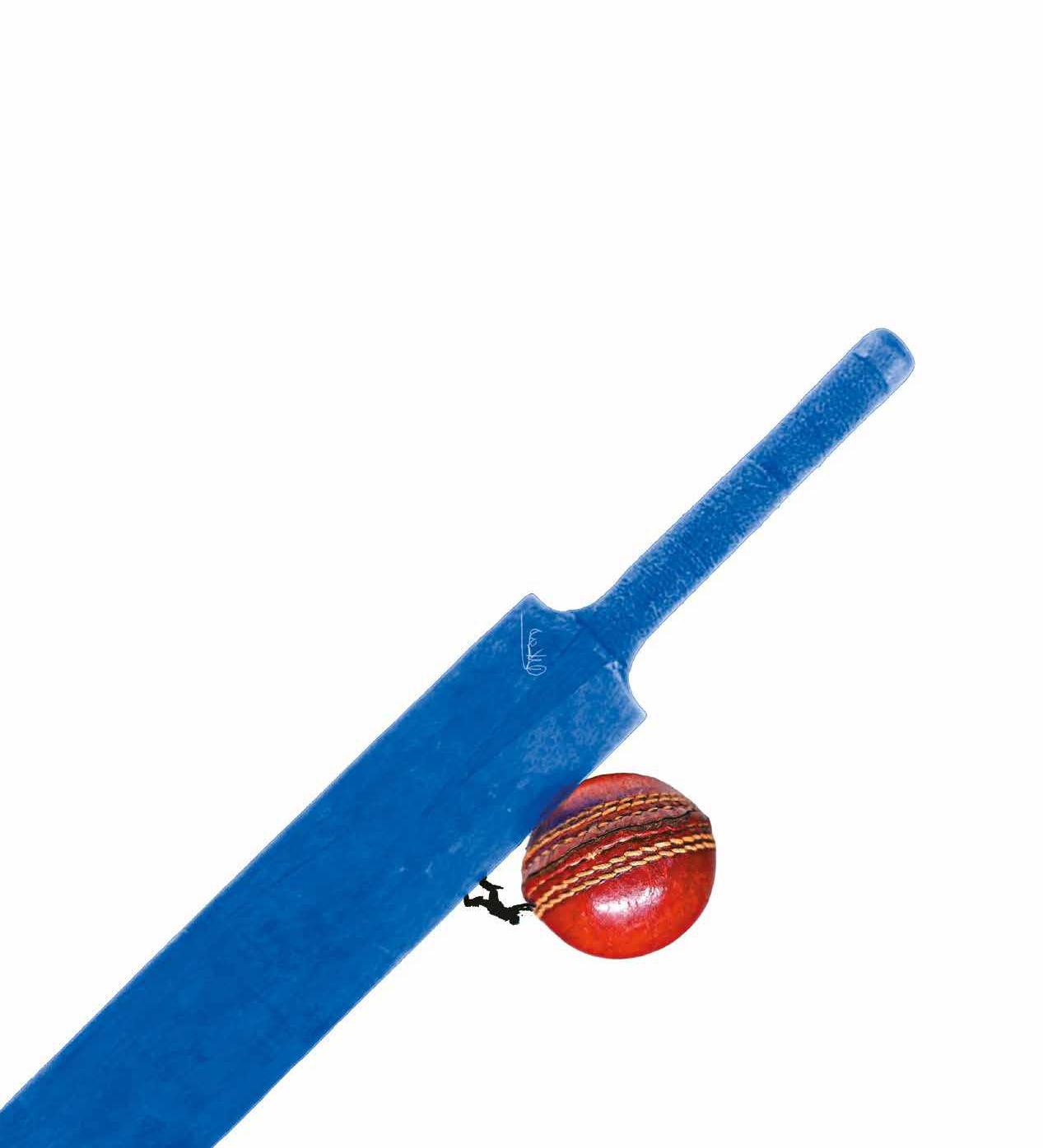
IN Indian cricket, talent is celebrated, but silence is institutional. In a sport where mythology is built around personal excellence and rags-toriches narratives, the conversation about caste remains almost completely absent. It's not that caste isn't present in cricket—it's that it is carefully and strategically ignored. Vinod Kambli, a Dalit cricketer, once came close to opening up the conversation, but retreated—his silence wasn't personal, but systemic. He did not fall silent on comparisons with Sachin Tendulkar, but on the question of caste altogether.
Compare this to what happened to Vandana Katariya, who scored a historic hat-trick in women's hockey at the Tokyo Olympics in 2021. She was the first Indian woman to do so. But shortly after, elite-caste men in her locality burst firecrackers when India lost, (allegedly) taunting her family for "too many Dalit players" on the team. Vandana later said the regret of not winning an Olympic medal that year would stay with her. So, perhaps, would the abuse her family endured.
Caste, then, is spoken of in sport only when it erupts in violence. In cricket, it's even worse—because here, silence is a mechanism to exclude. Of the nearly 315 players now in Indian test cricket, only four are Dalits. In the first 85 years of Indian test cricket, from 1932 to 2017, there were 289 players, and still only four were Dalits. This reflects persistent structural barriers, point out Gaurav Bhawnani and Shubham Jain in a 2018 article, "Does India Need a Caste-based Quota in Cricket", published in Economic and Political Weekly (EPW).

Diese Geschichte stammt aus der June 21, 2025-Ausgabe von Outlook.
Abonnieren Sie Magzter GOLD, um auf Tausende kuratierter Premium-Geschichten und über 9.000 Zeitschriften und Zeitungen zuzugreifen.
Sie sind bereits Abonnent? Anmelden
WEITERE GESCHICHTEN VON Outlook

Outlook
The Big Blind Spot
Caste boundaries still shape social relations in Tamil Nadu-a state long rooted in self-respect politics

8 mins
December 11, 2025
Outlook
Jat Yamla Pagla Deewana
Dharmendra's tenderness revealed itself without any threats to his masculinity. He adapted himself throughout his 65-year-long career as both a product and creature of the times he lived through
5 mins
December 11, 2025
Outlook
Fairytale of a Fallow Land
Hope Bihar can once again be that impossibly noisy village in Phanishwar Nath Renu's Parti Parikatha-divided, yes, but still capable of insisting that rights are not favours and development is more than a slogan shouted from a stage
14 mins
December 11, 2025

Outlook
The Lesser Daughters of the Goddess
The Dravidian movement waged an ideological war against the devadasi system. As former devadasis lead a new wave of resistance, the practice is quietly sustained by caste, poverty, superstition and inherited ritual
2 mins
December 11, 2025

Outlook
The Meaning of Mariadhai
After a hundred years, what has happened to the idea of self-respect in contemporary Tamil society?
5 mins
December 11, 2025

Outlook
When the State is the Killer
The war on drugs continues to be a war on the poor
5 mins
December 11, 2025

Outlook
We Are Intellectuals
A senior law officer argued in the Supreme Court that \"intellectuals\" could be more dangerous than \"ground-level terrorists\"
5 mins
December 11, 2025
Outlook
An Equal Stage
The Dravidian Movement used novels, plays, films and even politics to spread its ideology
12 mins
December 11, 2025
Outlook
The Dignity in Self-Respect
How Periyar and the Self-Respect Movement took shape in Tamil Nadu and why the state has done better than the rest of the country on many social, civil and public parameters
5 mins
December 11, 2025

Outlook
When Sukumaar Met Elakkiya
Self-respect marriage remains a force of socio-political change even a century later
7 mins
December 11, 2025
Listen
Translate
Change font size