يحاول ذهب - حر
Elite Bench
June 21, 2025
|Outlook
Why diversity and inclusion in cricket remain elusive
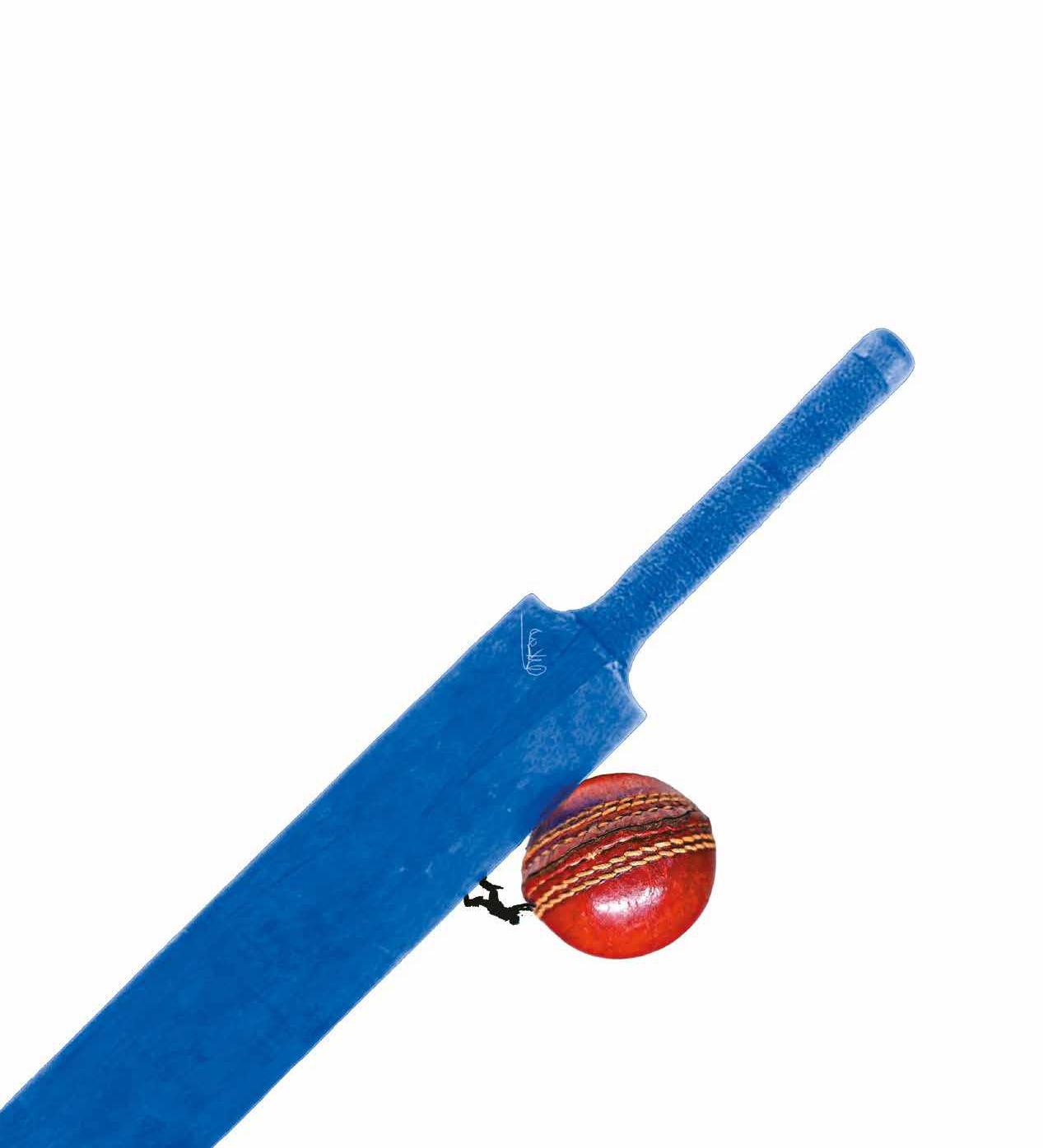
IN Indian cricket, talent is celebrated, but silence is institutional. In a sport where mythology is built around personal excellence and rags-toriches narratives, the conversation about caste remains almost completely absent. It's not that caste isn't present in cricket—it's that it is carefully and strategically ignored. Vinod Kambli, a Dalit cricketer, once came close to opening up the conversation, but retreated—his silence wasn't personal, but systemic. He did not fall silent on comparisons with Sachin Tendulkar, but on the question of caste altogether.
Compare this to what happened to Vandana Katariya, who scored a historic hat-trick in women's hockey at the Tokyo Olympics in 2021. She was the first Indian woman to do so. But shortly after, elite-caste men in her locality burst firecrackers when India lost, (allegedly) taunting her family for "too many Dalit players" on the team. Vandana later said the regret of not winning an Olympic medal that year would stay with her. So, perhaps, would the abuse her family endured.
Caste, then, is spoken of in sport only when it erupts in violence. In cricket, it's even worse—because here, silence is a mechanism to exclude. Of the nearly 315 players now in Indian test cricket, only four are Dalits. In the first 85 years of Indian test cricket, from 1932 to 2017, there were 289 players, and still only four were Dalits. This reflects persistent structural barriers, point out Gaurav Bhawnani and Shubham Jain in a 2018 article, "Does India Need a Caste-based Quota in Cricket", published in Economic and Political Weekly (EPW).

هذه القصة من طبعة June 21, 2025 من Outlook.
اشترك في Magzter GOLD للوصول إلى آلاف القصص المتميزة المنسقة، وأكثر من 9000 مجلة وصحيفة.
هل أنت مشترك بالفعل؟ تسجيل الدخول
المزيد من القصص من Outlook
Outlook
'Why GDP Growth Doesn't Always Translate Into Votes'
The recent election results have once again shown that economic growth alone does not guarantee electoral victory.

3 mins
June 06, 2026

Outlook
Lights, Camera, Othering
The establishment of Israel has been accompanied by a national cinema devoted to negating and erasing the Palestinian Other
5 mins
June 06, 2026

Outlook
Goodbye to All That
Booker-winning British author Julian Barnes' Departure(s) is a unique hybrid work: playful, philosophical, whimsical
4 mins
June 06, 2026
Outlook
Collapse of Trust
As the NEET-UG 2026 paper leak forced the cancellation of India’s biggest medical entrance exam, more than 22 lakh aspirants find themselves trapped in uncertainty
11 mins
June 06, 2026

Outlook
NO LONGER A TWELFTH MAN
Bihar cricket, which has languished in the shadows for long, is all set to improve its strike rate, thanks to Vaibhav Sooryavanshi, the new Bihari kid on the block
5 mins
June 06, 2026
Outlook
BLAZE OF GLORY
The challenges of being a celebrity cricketer at a young age can be tough to handle
5 mins
June 06, 2026
Outlook
THE SWASHBUCKLERS
A new generation of fearless stars is emerging and finding its feet at the very top of an extremely competitive cricketing environment
5 mins
June 06, 2026

Outlook
THE TEEN TORNAD
At the age of 15, Vaibhav Sooryavanshi is already a cricketing legend
10 mins
June 06, 2026
Outlook
A Journey to Remember
The prerecorded message crackled over the din in the compartment: ‘Welcome to the Shatabdi Express.
4 mins
June 06, 2026

Outlook
Crossing Borders
Ruth Martin is the translator of German-Iranian author Shida Bazyar’s novel The Nights are Quiet in Tehran (originally written in German), which has been shortlisted for the 2026 International Booker Prize.
4 mins
June 06, 2026
Listen
Translate
Change font size