Versuchen GOLD - Frei
Sarah Mae Flemming Segregation-busting bus commuter
BBC History UK
|July 2025
The year before the arrest of Rosa Parks sparked the Montgomery bus boycott, another black American woman started a legal fight against segregation on public transport. CLIVE WEBB and TOM ADAM DAVIES highlight her role in the civil rights battle
-
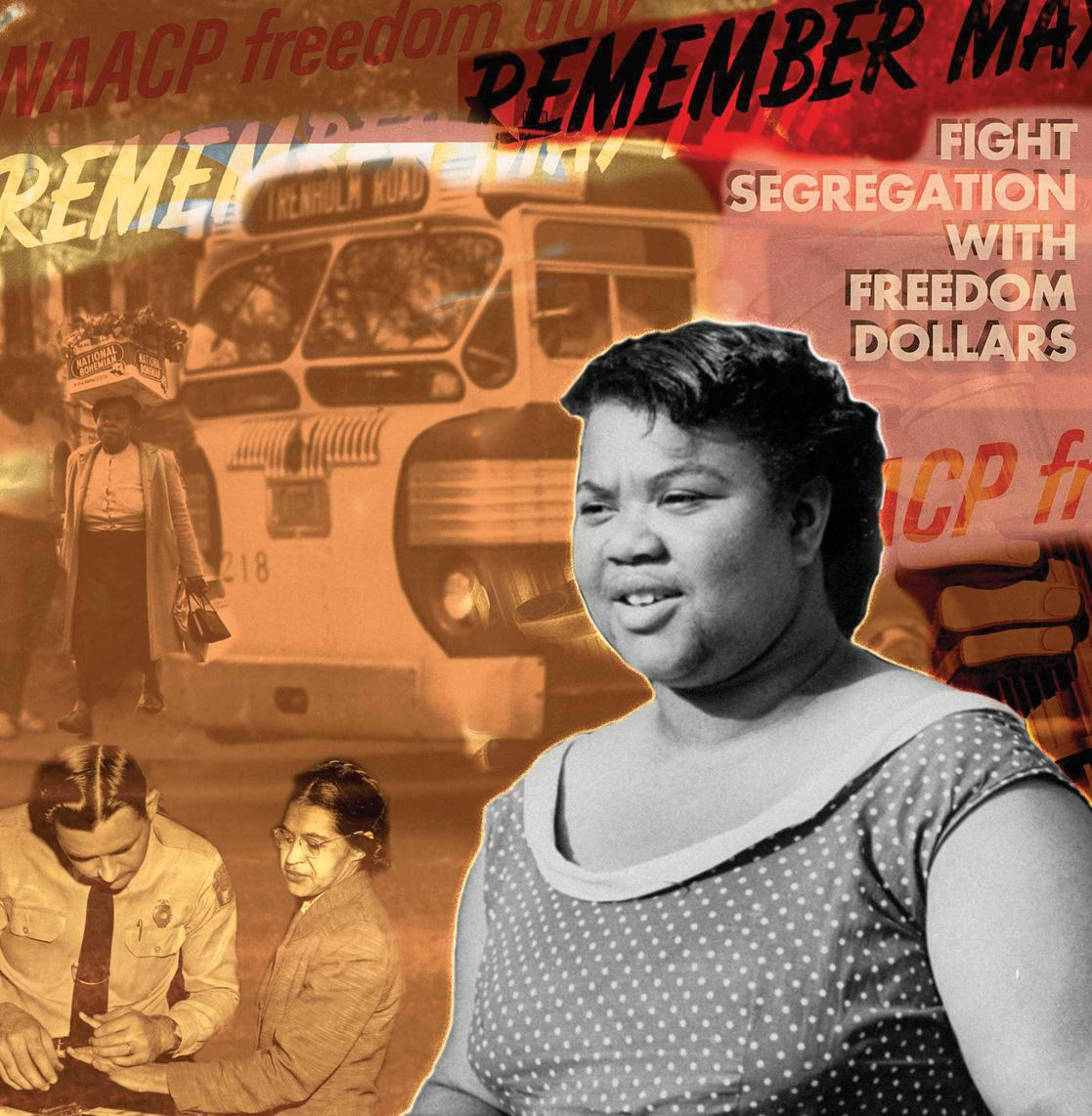
On 2 November 2005, thousands of mourners crowded into the Greater Grace Temple in Detroit to attend the funeral of black American civil rights icon Rosa Parks. Former US president Bill Clinton led the tributes before a congregation that held hands and sang the protest anthem 'We Shall Overcome'.
The story of Rosa Parks and the Montgomery bus boycott in Alabama is familiar yet sometimes misunderstood. Her arrest for refusing to surrender a bus seat in December 1955 followed not the spontaneous action of an apolitical seamstress but a calculated decision by a lifelong activist who, along with other members of the black community, had put increasing pressure on white city leaders to end the daily indignities of segregated bus journeys. Her detention may have been the catalyst for the desegregation of public transport in the South, but other black women before her had also braved similar hurt, humiliation and intimidation.
Among them was a woman called Sarah Mae Flemming. In June 1954, Flemming was involved in an incident that is far less celebrated than the Montgomery bus boycott. Yet it was an incident that truly laid the foundation for the eventual overturning of Jim Crow laws as applied to public transport.
Flemming was a child of the Great Depression, one of seven children raised by a farming couple whose own parents had been enslaved. Born on 28 June 1933, she grew up alongside her siblings in a busy household near Eastover, South Carolina, a small community some 20 miles south-east of the state capital, Columbia.
After graduating from high school, Flemming worked briefly for a relative in Ohio before returning to South Carolina to help support her family, taking a position as a maid for white residents in one of Columbia's affluent suburbs.

Diese Geschichte stammt aus der July 2025-Ausgabe von BBC History UK.
Abonnieren Sie Magzter GOLD, um auf Tausende kuratierter Premium-Geschichten und über 9.000 Zeitschriften und Zeitungen zuzugreifen.
Sie sind bereits Abonnent? Anmelden
WEITERE GESCHICHTEN VON BBC History UK
BBC History UK
Royal progress
Alice Loxton's new book begins with a compelling premise.

1 mins
January 2026

BBC History UK
"Leaving Muslim contributions out of European history has allowed Islamophobic sentiment to flourish"
THARIK HUSSAIN speaks to Danny Bird about the long but often overlooked and distorted history of Muslims in Europe - and the enduring resistance to its reappraisal
9 mins
January 2026
BBC History UK
7 UNMISSABLE TRIPS IN 2026
With new routes, big anniversaries and fresh ways of discovering familiar favourites, TOM HALL highlights historical destinations to explore this year
4 mins
January 2026

BBC History UK
SOPHIE SCHOLL
Novelist Simon Scarrow chooses
2 mins
January 2026
BBC History UK
Portrait of the artists
TRACY BORMAN is enraptured by a beautifully written and richly illustrated exploration of early modern English art
2 mins
January 2026
BBC History UK
Humble heroes
Statues celebrate monarchs, rulers and conquerors - but who remembers the brave folk who gave their lives to save others? Anna Maria Barry recounts stories of selfsacrificing but otherwise ordinary people from the 19th and 20th centuries who are commemorated in one London park.
9 mins
January 2026
BBC History UK
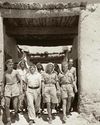
BACK FROM THE DEAD
Britain’s War Office thanked the SAS for its remarkable efforts in WW2 by abolishing it – yet soon realised the error of its ways. Gavin Mortimer tells the story of how the elite unit reinvented itself to confront the challenges of the postwar world
8 mins
January 2026
BBC History UK
Q&A - A selection of historical conundrums answered by experts
Were Roman gladiators vegetarian?
8 mins
January 2026
BBC History UK
Martha McGill on a pioneering study of folk beliefs in early modern England
I was recently chatting with a handful of early modernists about the history book we'd take to a desert island.
1 min
January 2026
BBC History UK
Independent empires
Viewing the British empire through an American lens provides an intriguing alternative perspective on the 'Land of the Free', says DAVID ARMITAGE
4 mins
January 2026
Listen
Translate
Change font size