Versuchen GOLD - Frei
BACK FROM THE DEAD
BBC History UK
|January 2026
Britain’s War Office thanked the SAS for its remarkable efforts in WW2 by abolishing it – yet soon realised the error of its ways. Gavin Mortimer tells the story of how the elite unit reinvented itself to confront the challenges of the postwar world
-
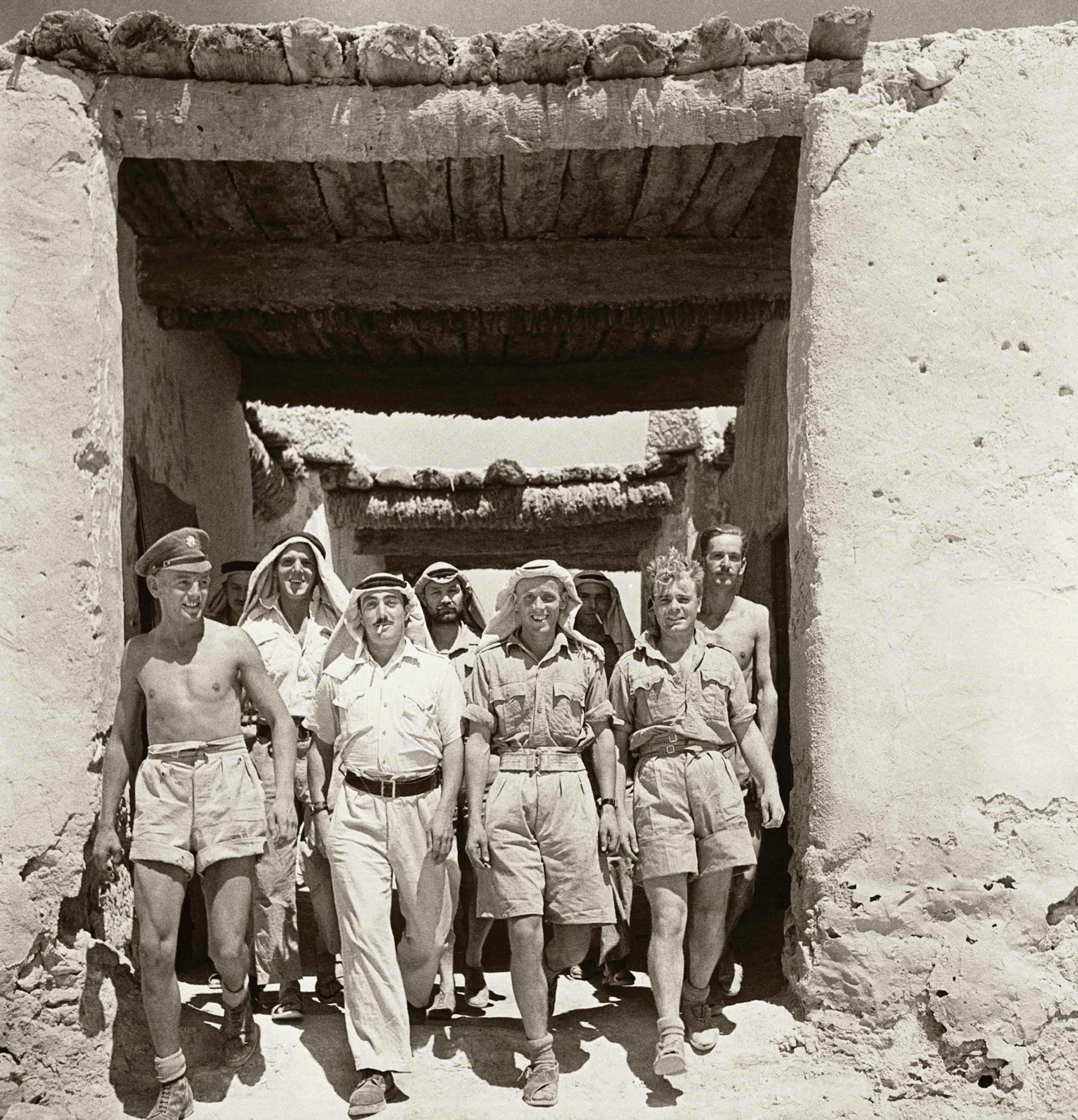
Light-hearted banditry”, “ruthless pirating”, a “phantom army” – it’s fair to say that the Special Air Service (SAS) didn’t always attract the most complimentary headlines. In the white heat of the Second World War, when this and other British special forces achieved unlikely successes through a series of daring raids, disparaging press reports could be discarded as merely tomorrow’s chip paper. Nonetheless, they fuelled the impression that the SAS operated outside the rules of the regular British army, and were used as ammunition by some who aimed to whip special forces into line – or even shut them down altogether. That threat became a reality after the conflict ended.
David Stirling, the founder of the SAS, coined a description – “freemasons of mediocrity” – for a certain kind of staff officer who looked upon his men with suspicion and, in some cases, hostility. These ‘freemasons’ regarded the SAS and other irregular outfits – the Long Range Desert Group and the Chindits – at best as private armies, at worst “café gangsters”.
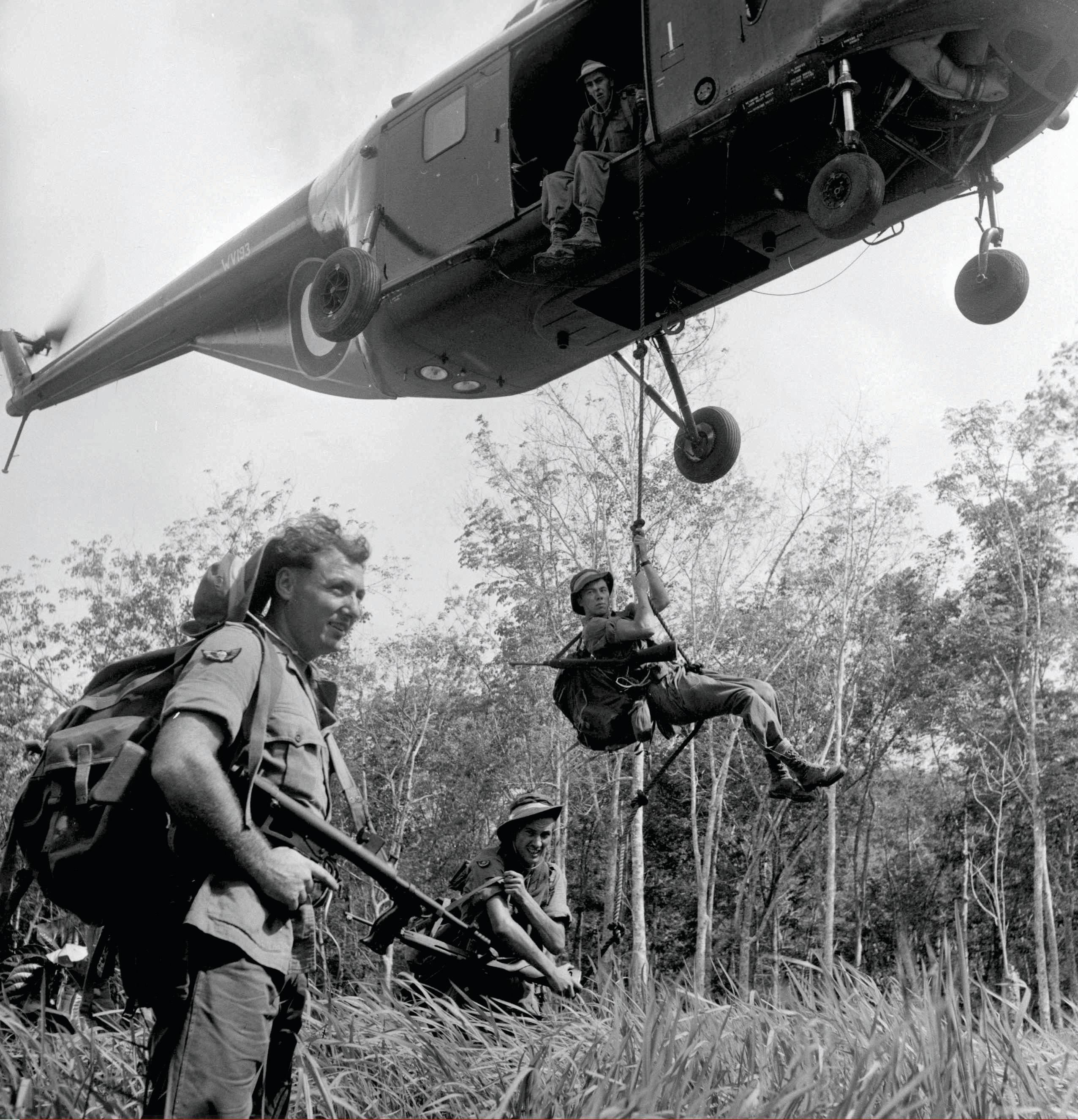 This view extended to the Special Boat Squadron (SBS), which spent the spring of 1944 waging a bloody guerrilla campaign in the Aegean to tie down German troops ahead of the invasion of France. Its actions prompted a sharp exchange between Winston Churchill and Simon Wingfield Digby, the Conservative MP for West Dorset. “Is it true, Mr prime minister,” enquired Wingfield Digby, “that there is a body of men out in the Aegean Islands, fighting under the Union Flag, that are nothing short of being a band of murderous, renegade cutthroats?”
“If you do not take your seat and keep quiet, I will send you out to join them,” retorted Churchill.

Diese Geschichte stammt aus der January 2026-Ausgabe von BBC History UK.
Abonnieren Sie Magzter GOLD, um auf Tausende kuratierter Premium-Geschichten und über 9.000 Zeitschriften und Zeitungen zuzugreifen.
Sie sind bereits Abonnent? Anmelden
WEITERE GESCHICHTEN VON BBC History UK
BBC History UK
On the skids
Richard Rodgers and Oscar Hammerstein II's smash musical Oklahoma! opened on Broadway on 31 March 1943.

1 min
Christmas 2025

BBC History UK
Small pleasures
Memory is imperfect, but what if you could get a professional model maker to recreate a moment from the past?
1 min
Christmas 2025

BBC History UK
Bath in five places
In the Georgian era, Bath became arguably Britain's most fashionable destination. KIRSTEN ELLIOTT promenades five historic highlights
3 mins
Christmas 2025
BBC History UK
End times
Why do civilisations that dominated their epoch fail? In an era of autocracy, climate change, the rise of Al and a first-hand understanding of how deadly pandemics can be, it's a question that seems pertinent.
1 min
Christmas 2025
BBC History UK
What are the origins of the Yule Lads?
To learn about the Jólasveinar (Yule Lads), we must start with their mother, the terrifying ogress Grýla. Her name appeared in Icelandic texts as early as the 13th century, although it wasn’t until later that those 13 mischievous lads became associated with her. Folk tales and poems tell how she descends from the mountains with an empty sack to stuff full of children. Grýla owns the monstrous Jólaköttur (Yule Cat), which roams the countryside on Christmas Eve, searching for children to gobble up if they're not wearing new clothes.
1 mins
Christmas 2025

BBC History UK
Santa Claus v Father Christmas
The true identity of the white-bearded, red-robed figure who fills children's stockings at Christmas has long been debated. Thomas Ruys Smith sizes up the merry contenders
8 mins
Christmas 2025

BBC History UK
Frontier friction
Set in Washington Territory in 1854, The Abandons is a Western that's unusual for having two matriarchs, women whose lives become entangled, at its centre.
1 min
Christmas 2025
BBC History UK
The Last Days of Pompeii: The Immersive Experience
Delve into the culture of daily Roman life, witness the momentous eruption of Mount Vesuvius, and follow its fallout in Immerse LDN's new exhibition. In a blend of cutting-edge technology and vivid storytelling, this exhibition launches visitors into Pompeii's rich history with recreations of the ancient city's beautiful pre-eruption landscape, a 360-degree virtual reality Roman amphitheatre experience, and a digital metaverse recreating Pompeii's 'Villa of Mysteries'.
1 min
Christmas 2025
BBC History UK
Elizabeth Marsh The corsair's captive
Taken hostage by a Barbary ship's captain in the 18th century, a young Englishwoman found herself fighting for her freedom in Marrakech. ADAM NICHOLS introduces a brave captive who later wrote a book about her dramatic experiences
6 mins
Christmas 2025
BBC History UK
29 DECEMBER 1170: Thomas Becket is murdered in Canterbury
Knights loyal to Henry II rid him of the “low-born cleric”
2 mins
Christmas 2025
Listen
Translate
Change font size