Prøve GULL - Gratis
BACK FROM THE DEAD
BBC History UK
|January 2026
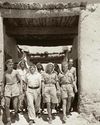
Britain’s War Office thanked the SAS for its remarkable efforts in WW2 by abolishing it – yet soon realised the error of its ways. Gavin Mortimer tells the story of how the elite unit reinvented itself to confront the challenges of the postwar world
-
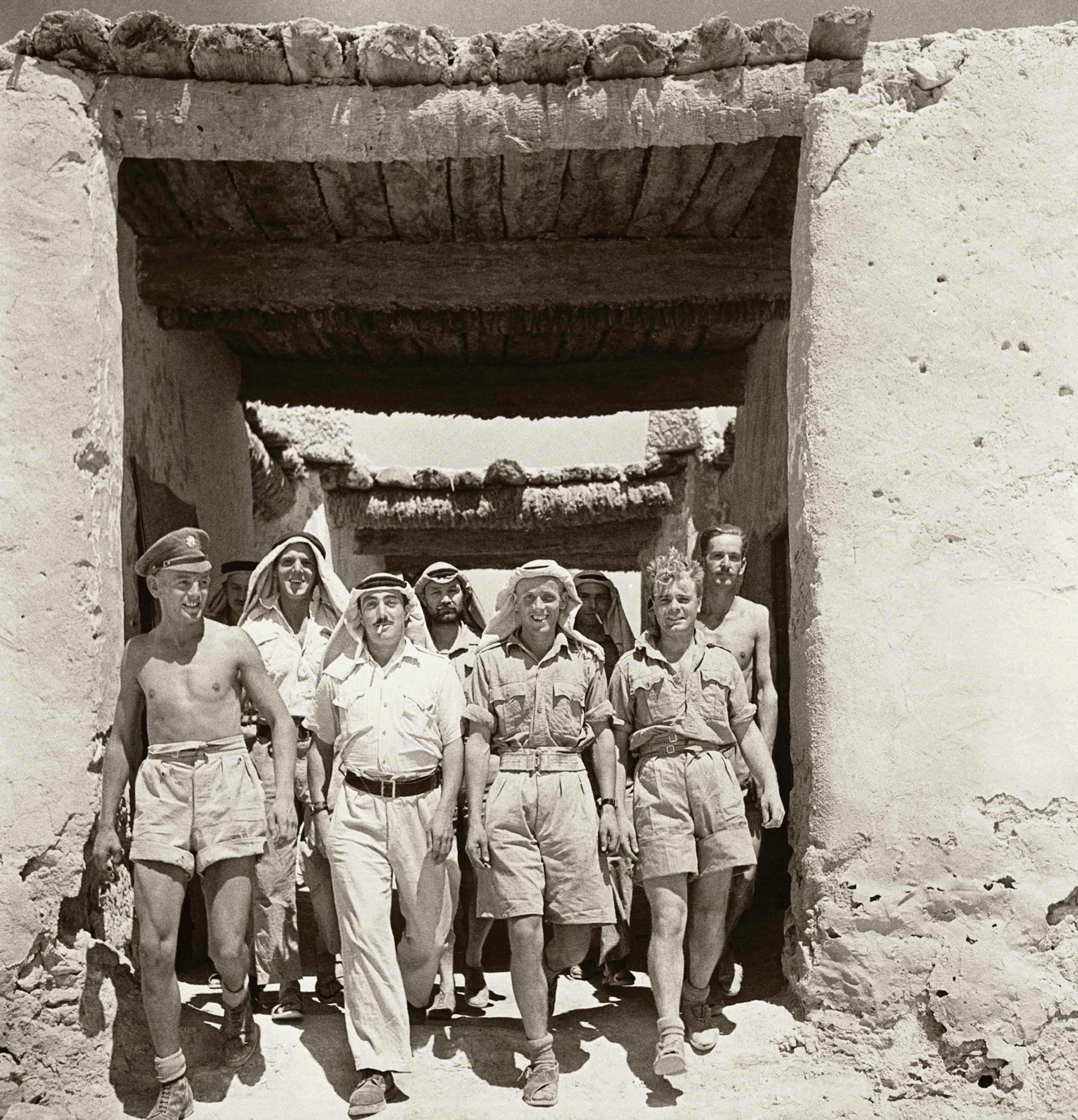
Light-hearted banditry”, “ruthless pirating”, a “phantom army” – it’s fair to say that the Special Air Service (SAS) didn’t always attract the most complimentary headlines. In the white heat of the Second World War, when this and other British special forces achieved unlikely successes through a series of daring raids, disparaging press reports could be discarded as merely tomorrow’s chip paper. Nonetheless, they fuelled the impression that the SAS operated outside the rules of the regular British army, and were used as ammunition by some who aimed to whip special forces into line – or even shut them down altogether. That threat became a reality after the conflict ended.
David Stirling, the founder of the SAS, coined a description – “freemasons of mediocrity” – for a certain kind of staff officer who looked upon his men with suspicion and, in some cases, hostility. These ‘freemasons’ regarded the SAS and other irregular outfits – the Long Range Desert Group and the Chindits – at best as private armies, at worst “café gangsters”.
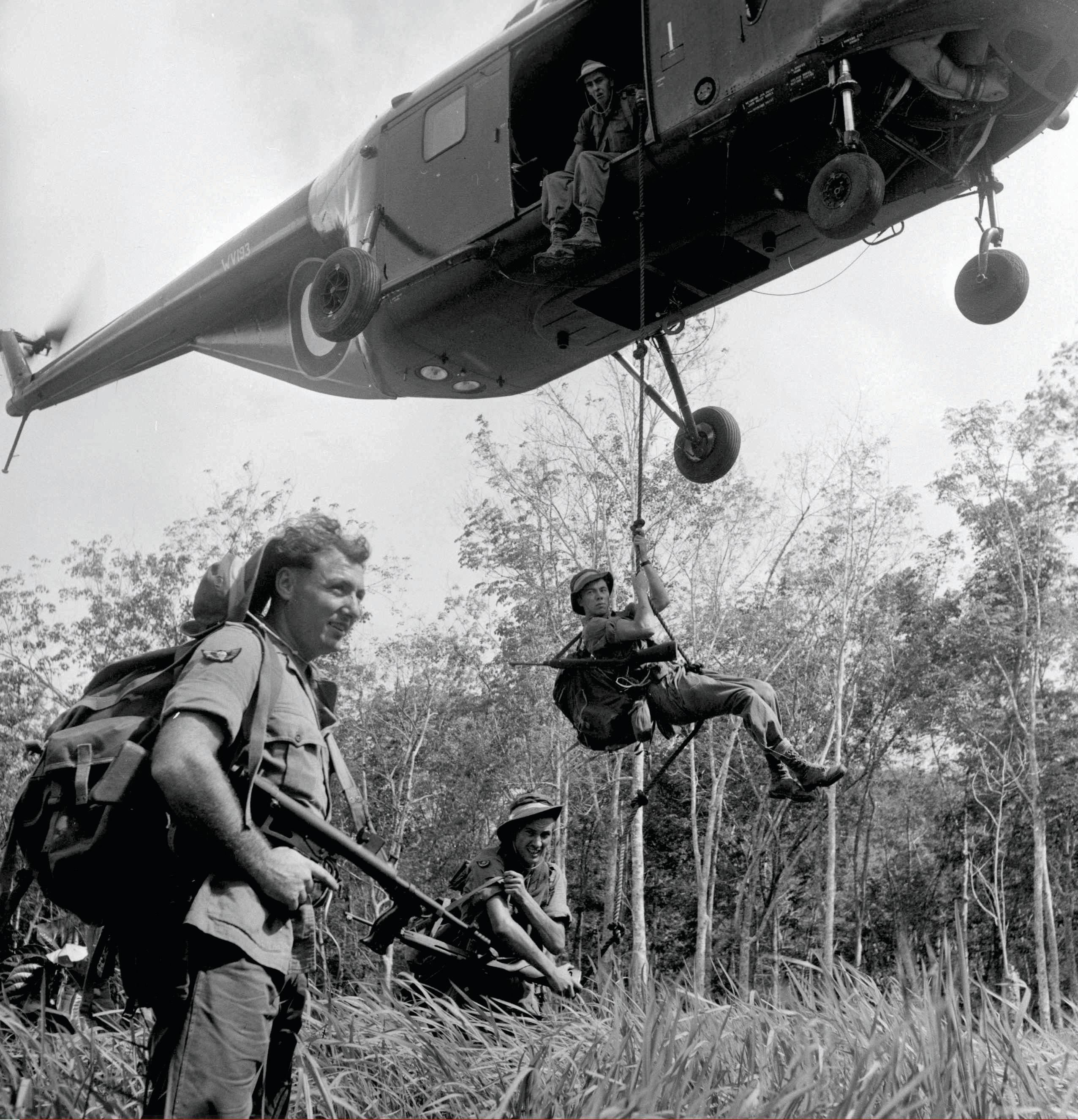 This view extended to the Special Boat Squadron (SBS), which spent the spring of 1944 waging a bloody guerrilla campaign in the Aegean to tie down German troops ahead of the invasion of France. Its actions prompted a sharp exchange between Winston Churchill and Simon Wingfield Digby, the Conservative MP for West Dorset. “Is it true, Mr prime minister,” enquired Wingfield Digby, “that there is a body of men out in the Aegean Islands, fighting under the Union Flag, that are nothing short of being a band of murderous, renegade cutthroats?”
“If you do not take your seat and keep quiet, I will send you out to join them,” retorted Churchill.

Denne historien er fra January 2026-utgaven av BBC History UK.
Abonner på Magzter GOLD for å få tilgang til tusenvis av kuraterte premiumhistorier og over 9000 magasiner og aviser.
Allerede abonnent? Logg på
FLERE HISTORIER FRA BBC History UK
BBC History UK
Royal progress
Alice Loxton's new book begins with a compelling premise.

1 mins
January 2026

BBC History UK
"Leaving Muslim contributions out of European history has allowed Islamophobic sentiment to flourish"
THARIK HUSSAIN speaks to Danny Bird about the long but often overlooked and distorted history of Muslims in Europe - and the enduring resistance to its reappraisal
9 mins
January 2026
BBC History UK
7 UNMISSABLE TRIPS IN 2026
With new routes, big anniversaries and fresh ways of discovering familiar favourites, TOM HALL highlights historical destinations to explore this year
4 mins
January 2026

BBC History UK
SOPHIE SCHOLL
Novelist Simon Scarrow chooses
2 mins
January 2026
BBC History UK
Portrait of the artists
TRACY BORMAN is enraptured by a beautifully written and richly illustrated exploration of early modern English art
2 mins
January 2026
BBC History UK
Humble heroes
Statues celebrate monarchs, rulers and conquerors - but who remembers the brave folk who gave their lives to save others? Anna Maria Barry recounts stories of selfsacrificing but otherwise ordinary people from the 19th and 20th centuries who are commemorated in one London park.
9 mins
January 2026
BBC History UK
BACK FROM THE DEAD
Britain’s War Office thanked the SAS for its remarkable efforts in WW2 by abolishing it – yet soon realised the error of its ways. Gavin Mortimer tells the story of how the elite unit reinvented itself to confront the challenges of the postwar world
8 mins
January 2026
BBC History UK
Q&A - A selection of historical conundrums answered by experts
Were Roman gladiators vegetarian?
8 mins
January 2026
BBC History UK
Martha McGill on a pioneering study of folk beliefs in early modern England
I was recently chatting with a handful of early modernists about the history book we'd take to a desert island.
1 min
January 2026
BBC History UK
Independent empires
Viewing the British empire through an American lens provides an intriguing alternative perspective on the 'Land of the Free', says DAVID ARMITAGE
4 mins
January 2026
Listen
Translate
Change font size