Versuchen GOLD - Frei
Textile Automation Impact
Textile Value Chain
|October 2025
We explore how automation is redefining the textile and apparel industries — not just in technology, but in the very foundation of production, sustainability, and competitiveness.
-
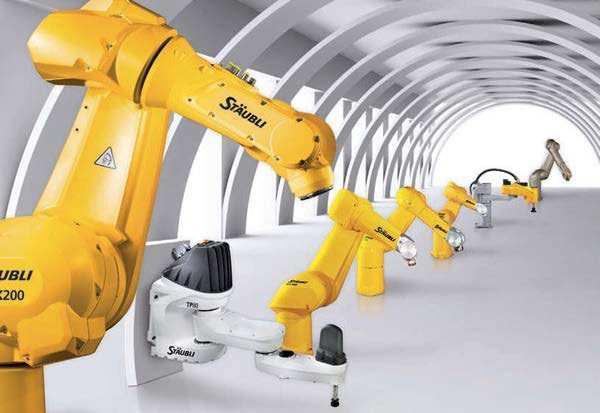
From smart spinning systems to Al-driven quality monitoring, automation is no longer a distant concept; it's a daily reality shaping every step of the manufacturing process. Spinning, weaving, dyeing, and garment production are becoming more precise, efficient, and resource-conscious through digital control and intelligent systems.
At the same time, this transformation raises important questions about labour dynamics, skill development, and social impact. The textile workforce must evolve from manual operation to machine supervision, data analysis, and process optimisation.
Automation is also becoming a cornerstone of sustainability, helping mills reduce waste, energy consumption, and chemical usage — key factors for global competitiveness in an environmentally conscious market.
As we look forward, one thing is certain: Textile automation is not replacing people but reducing manpower it's redefining roles, efficiency, and the path to a smarter, sustainable future
How Automation Is Transforming Textile Manufacturing
Automation today is no longer only the mechanisation of single tasks — it's the integration of robotics, sensors/IoT, AI and digital workflows across the full value chain (spinning weaving/knitting dyeing/ finishing cutting & sewing intralogistics). That changes factories from labour-intensive workshops into connected, data-driven production systems that can run continuously, trace quality in real time, and shift faster between SKUs.
Automation in the manufacturing process helps material handling, process control by DIGITAL TRANSFORMATION, easy to packing, easy to raw material and finished goods transportation.
Practical effects:
- More end-to-end flow automation (automated material handling, automated cutting, robotic sewing prototypes)
- Digital twins and predictive maintenance reduce unplanned downtime and improve uptime.

Diese Geschichte stammt aus der October 2025-Ausgabe von Textile Value Chain.
Abonnieren Sie Magzter GOLD, um auf Tausende kuratierter Premium-Geschichten und über 9.000 Zeitschriften und Zeitungen zuzugreifen.
Sie sind bereits Abonnent? Anmelden
WEITERE GESCHICHTEN VON Textile Value Chain

Textile Value Chain
Rieter Winding Suction Nozzle Upgrade: More Yarn, Less Energy Use
After upgrading the suction nozzles on their 32 winding machines, Sanyang Textile Co., Ltd., China, saw an increase in yarn production of 3% and a reduction of 13% in energy use. The flow-optimised, aerodynamically designed suction nozzle enables efficient upper yarn search and pickup from the package. This results in a 55% reduction in red light percentage and a significant reduction in the operator's workload.

1 mins
November 2025
Textile Value Chain
EU's Extended Producer Responsibility (EPR) Law and Its Implications for India's Textile Industry
The European Union (EU) has approved a new Extended Producer Responsibility (EPR) framework for textiles. This is a major regulatory shift that makes fashion brands and producers accountable for their products' entire lifecycle, from design and production through collection, sorting, recycling and disposal.
9 mins
November 2025

Textile Value Chain
GTE Ahmedabad 2025 Concludes Day 3 with a Huge Footfall
The 38th Garment Technology Expo (GTE) Ahmedabad 2025, co-located with the Lace & Trims Show, wrapped up its third day on an impressive note, recording around 9,700 B2B visitors. The strong industry turnout reaffirmed the expo's role as one of the most influential and business-driven platforms for garment and apparel technology in the western region.
2 mins
November 2025

Textile Value Chain
Reinterpreting Korean Street Fashion through Sustainable Design Practices
A Path through Eco-conscious Urban Fashion
7 mins
November 2025

Textile Value Chain
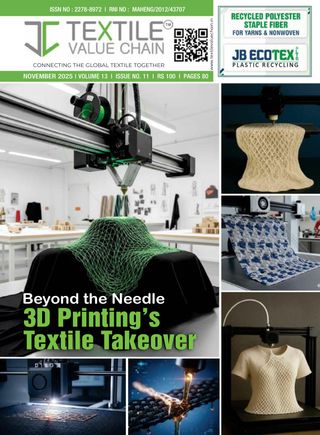
3D Printing in Textiles Manufacturing: A Game-Changer in Design, Sustainability, and Efficiency
The global textile and apparel industry is undergoing a radical transformation due to the convergence of digital design, advanced material technology, and next-generation manufacturing. Of the latter, few have greater potential to change how textiles are made today than additive manufacturing, better known as 3D printing.
5 mins
November 2025

Textile Value Chain
ITMA ASIA + CITME 2025: Singapore Edition Draws International Acclaim
The region's premier textile and garment technology showcase, ITMA ASIA + CITME, made a highly successful return to Singapore, marking its first comeback since the 2001 and 2005 editions. Held from October 27 to 31, 2025, at the Singapore Expo, the four-day event was celebrated for its impressive international reach and robust buyer turnout from across Asia and beyond.
2 mins
November 2025
Textile Value Chain
From Plant to Pants: The Complete Journey of Hemp Denim Workwear Production
When you think of workwear that can take a beating, denim comes to mind. For decades, cotton denim has been the gold standard for industrial clothing. But there’s a more sustainable alternative making waves in the textile world: hemp denim. This isn’t just about being eco-friendly for the sake of it. Hemp denim is genuinely tough, breathable, and could be the answer to some of the fashion industry's biggest environmental challenges.
5 mins
November 2025
Textile Value Chain
Future Outlook & Conclusion: The Next Phase of Textile Manufacturing
7 mins
November 2025

Textile Value Chain
3D Printing in Textile Production: Weaving the Future, Layer by Layer
What if someone told you that the future of fashion might not rely on scissors, sewing machines, or piles of fabric scraps?
5 mins
November 2025

Textile Value Chain
The Impact of Textile Automation: Transforming an Industry Thread by Thread
Walk into any modern textile factory today, and you'll witness something remarkable.
7 mins
October 2025
Listen
Translate
Change font size