Denemek ALTIN - Özgür
Textile Automation Impact
Textile Value Chain
|October 2025
We explore how automation is redefining the textile and apparel industries — not just in technology, but in the very foundation of production, sustainability, and competitiveness.
-
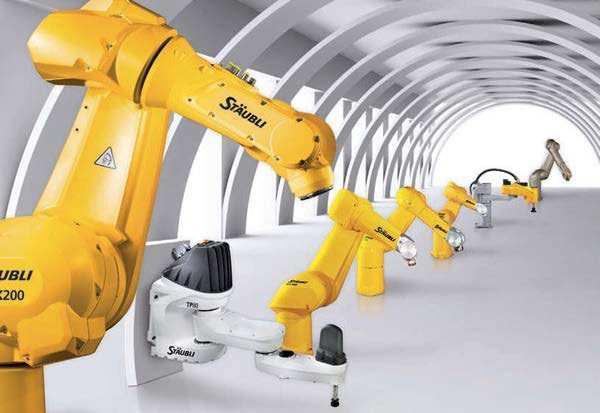
From smart spinning systems to Al-driven quality monitoring, automation is no longer a distant concept; it's a daily reality shaping every step of the manufacturing process. Spinning, weaving, dyeing, and garment production are becoming more precise, efficient, and resource-conscious through digital control and intelligent systems.
At the same time, this transformation raises important questions about labour dynamics, skill development, and social impact. The textile workforce must evolve from manual operation to machine supervision, data analysis, and process optimisation.
Automation is also becoming a cornerstone of sustainability, helping mills reduce waste, energy consumption, and chemical usage — key factors for global competitiveness in an environmentally conscious market.
As we look forward, one thing is certain: Textile automation is not replacing people but reducing manpower it's redefining roles, efficiency, and the path to a smarter, sustainable future
How Automation Is Transforming Textile Manufacturing
Automation today is no longer only the mechanisation of single tasks — it's the integration of robotics, sensors/IoT, AI and digital workflows across the full value chain (spinning weaving/knitting dyeing/ finishing cutting & sewing intralogistics). That changes factories from labour-intensive workshops into connected, data-driven production systems that can run continuously, trace quality in real time, and shift faster between SKUs.
Automation in the manufacturing process helps material handling, process control by DIGITAL TRANSFORMATION, easy to packing, easy to raw material and finished goods transportation.
Practical effects:
- More end-to-end flow automation (automated material handling, automated cutting, robotic sewing prototypes)
- Digital twins and predictive maintenance reduce unplanned downtime and improve uptime.

Bu hikaye Textile Value Chain dergisinin October 2025 baskısından alınmıştır.
Binlerce özenle seçilmiş premium hikayeye ve 9.000'den fazla dergi ve gazeteye erişmek için Magzter GOLD'a abone olun.
Zaten abone misiniz? Oturum aç
Textile Value Chain'den DAHA FAZLA HİKAYE

Textile Value Chain
The New Age of Men's Tailoring: From Bespoke to Hybrid Models
Part 1 of the Series: The Evolving World of Men's Tailored Wear

4 mins
January 2026

Textile Value Chain
The Textile Landscape of 2025: A Year of Transformation
Navigating Policy Reforms, Trade Agreements, and Global Events
5 mins
January 2026

Textile Value Chain
Recycled Fibres vs Virgin Fibres: The Real Cost, Footprint & Business Opportunity
For decades, the textile industry asked only one question when choosing raw material:
3 mins
January 2026

Textile Value Chain
2025 in Perspective: A Stronger, Cleaner, Smarter Future for Textiles
The year 2025 reminded the textile and apparel sector that resilience now matters more than pace.
5 mins
January 2026

Textile Value Chain
Heimtextil as a Working lab for Sutlej and its Customers
When the global home textiles industry gathers in Frankfurt this January, Sutlej Textiles is approaching Heimtextil with a clear intent: to treat the fair less as a product parade and more as a live development lab with its buyers and partners.
4 mins
January 2026

Textile Value Chain
Weaving Heritage into Future: A Conversation with Ms Roop Rashi Mahapatra
In an era where fast fashion dominates the global textile landscape, Khadi stands as a timeless symbol of India's heritage, sustainability, and self-reliance.
11 mins
January 2026

Textile Value Chain
Home Textiles: Ever-growing Market to Evergreen Product Source
Indian Home textiles have always enjoyed a special market position, and demand continues to increase, capturing a premium to the budgeted market across different markets, but with one constant hunger for extraordinary design, a super comfortable feel, and the appeal of sophistication, along with changing market dynamics.
4 mins
January 2026

Textile Value Chain
The Velvet Revolution: How This Timeless Fabric is Redefining Modern Textiles
When you run your hand across velvet, something happens.
3 mins
January 2026

Textile Value Chain
SPGPrints Achieves Landmark Success at ITMA ASIA 2025 With Transformative Textile Printing Technology and Key Order Closures
SPGPrints, the global leader in innovative textile printing solutions, announced an overwhelmingly successful participation in ITMA ASIA 2025 at the Singapore Expo.
2 mins
January 2026

Textile Value Chain
Development of Home Textile Products from Post-Consumer Textile Waste
With the growing concern over textile waste and its environmental impact, sustainable approaches for fabric reuse are urgently needed.
5 mins
January 2026
Listen
Translate
Change font size