
Mit Magzter GOLD unbegrenztes Potenzial nutzen
Erhalten Sie unbegrenzten Zugriff auf über 9.000 Zeitschriften, Zeitungen und Premium-Artikel für nur
Tulsa Race Massacre
BBC History Magazine
|June 2021
A century ago, America’s simmering racial tensions boiled over on the streets of one Oklahoma city, leaving dozens dead and hundreds more injured. Scott Ellsworth explores what remains the worst single incident of racial violence in US history – the 1921 Tulsa Race Massacre

Mary Parrish hurried home, anxious to finish a novel that she had begun the day before. During an era in which African-American women were routinely forced to the lowest levels of US society, Parrish stood out as a talented writer and successful entrepreneur: she ran her own secretarial school, where she taught typewriting, business correspondence and clerical skills to young black women hoping to find work as office clerks. Parrish was also a single mother, and she and her seven-year-old daughter, Florence, lived on Greenwood Avenue, in the heart of the Greenwood district of Tulsa, Oklahoma. Within walking distance from their home, there were two theatres, dozens of restaurants, a public library, grocery stores and dress shops, doctors’ offices and billiard parlours. “On Greenwood one could find a variety of business places which would be a credit to any section of the town,” Parrish wrote. Tuesday 31 May 1921 was a warm spring evening, and there was plenty to do and see.
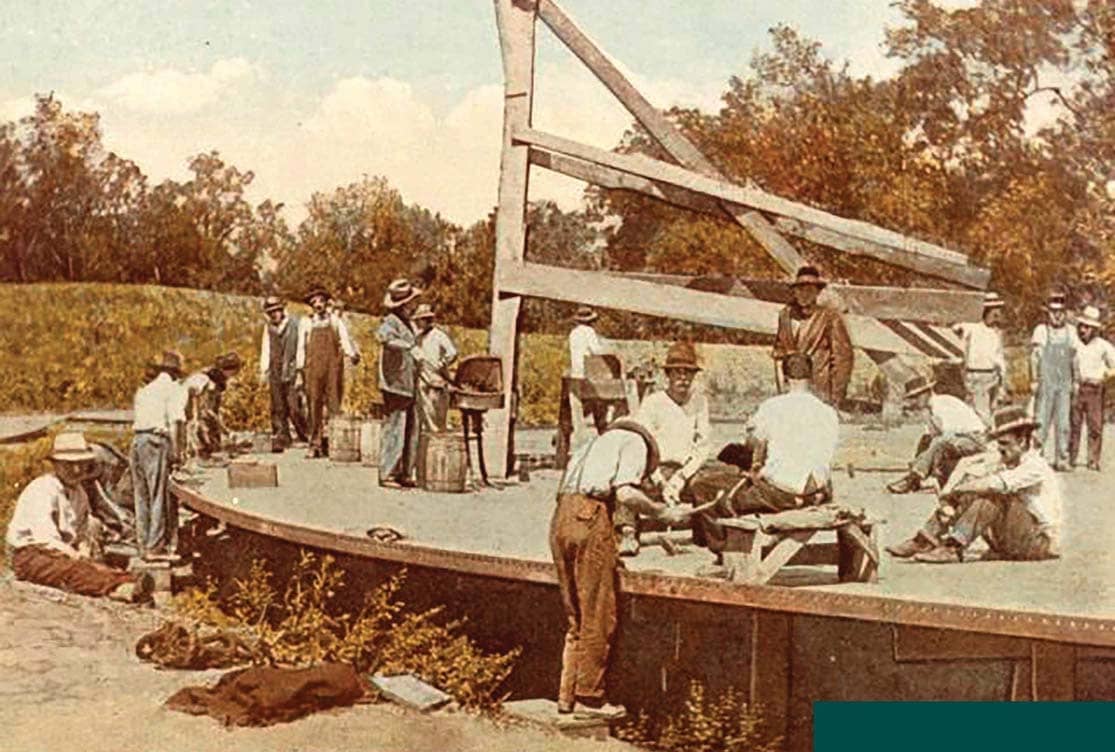
Only Parrish wasn’t interested. Fetching her daughter from a neighbour, the two climbed the stairs to their second-storey apartment. Little Florence took her place on the sofa along the windows, where she could watch the automobile and pedestrian traffic along Greenwood Avenue, while her mother sunk into her favourite chair, looking forward to a quiet evening of reading. That wasn’t going to happen, though. Within a couple of hours, Florence would watch an unfolding drama outside, as African-American men and women, some with guns, gathered on the street below. And before the clock on the mantel struck midnight, Mary Parrish and her daughter would find themselves at ground zero in the worst single incident of racial violence in American history.

Diese Geschichte stammt aus der June 2021-Ausgabe von BBC History Magazine.
Abonnieren Sie Magzter GOLD, um auf Tausende kuratierter Premium-Geschichten und über 9.000 Zeitschriften und Zeitungen zuzugreifen.
Sie sind bereits Abonnent? Anmelden
WEITERE GESCHICHTEN VON BBC History Magazine
BBC History UK
Royal progress
Alice Loxton's new book begins with a compelling premise.

1 mins
January 2026

BBC History UK
"Leaving Muslim contributions out of European history has allowed Islamophobic sentiment to flourish"
THARIK HUSSAIN speaks to Danny Bird about the long but often overlooked and distorted history of Muslims in Europe - and the enduring resistance to its reappraisal
9 mins
January 2026
BBC History UK
7 UNMISSABLE TRIPS IN 2026
With new routes, big anniversaries and fresh ways of discovering familiar favourites, TOM HALL highlights historical destinations to explore this year
4 mins
January 2026

BBC History UK
SOPHIE SCHOLL
Novelist Simon Scarrow chooses
2 mins
January 2026
BBC History UK
Portrait of the artists
TRACY BORMAN is enraptured by a beautifully written and richly illustrated exploration of early modern English art
2 mins
January 2026
BBC History UK
Humble heroes
Statues celebrate monarchs, rulers and conquerors - but who remembers the brave folk who gave their lives to save others? Anna Maria Barry recounts stories of selfsacrificing but otherwise ordinary people from the 19th and 20th centuries who are commemorated in one London park.
9 mins
January 2026
BBC History UK
BACK FROM THE DEAD
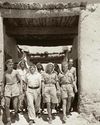
Britain’s War Office thanked the SAS for its remarkable efforts in WW2 by abolishing it – yet soon realised the error of its ways. Gavin Mortimer tells the story of how the elite unit reinvented itself to confront the challenges of the postwar world
8 mins
January 2026
BBC History UK
Q&A - A selection of historical conundrums answered by experts
Were Roman gladiators vegetarian?
8 mins
January 2026
BBC History UK
Martha McGill on a pioneering study of folk beliefs in early modern England
I was recently chatting with a handful of early modernists about the history book we'd take to a desert island.
1 min
January 2026
BBC History UK
Independent empires
Viewing the British empire through an American lens provides an intriguing alternative perspective on the 'Land of the Free', says DAVID ARMITAGE
4 mins
January 2026
Translate
Change font size