
Gå ubegrenset med Magzter GOLD
Få ubegrenset tilgang til over 9000 magasiner, aviser og premiumhistorier for bare
Prøve GULL - Gratis
Tulsa Race Massacre
BBC History Magazine
|June 2021
A century ago, America’s simmering racial tensions boiled over on the streets of one Oklahoma city, leaving dozens dead and hundreds more injured. Scott Ellsworth explores what remains the worst single incident of racial violence in US history – the 1921 Tulsa Race Massacre

Mary Parrish hurried home, anxious to finish a novel that she had begun the day before. During an era in which African-American women were routinely forced to the lowest levels of US society, Parrish stood out as a talented writer and successful entrepreneur: she ran her own secretarial school, where she taught typewriting, business correspondence and clerical skills to young black women hoping to find work as office clerks. Parrish was also a single mother, and she and her seven-year-old daughter, Florence, lived on Greenwood Avenue, in the heart of the Greenwood district of Tulsa, Oklahoma. Within walking distance from their home, there were two theatres, dozens of restaurants, a public library, grocery stores and dress shops, doctors’ offices and billiard parlours. “On Greenwood one could find a variety of business places which would be a credit to any section of the town,” Parrish wrote. Tuesday 31 May 1921 was a warm spring evening, and there was plenty to do and see.
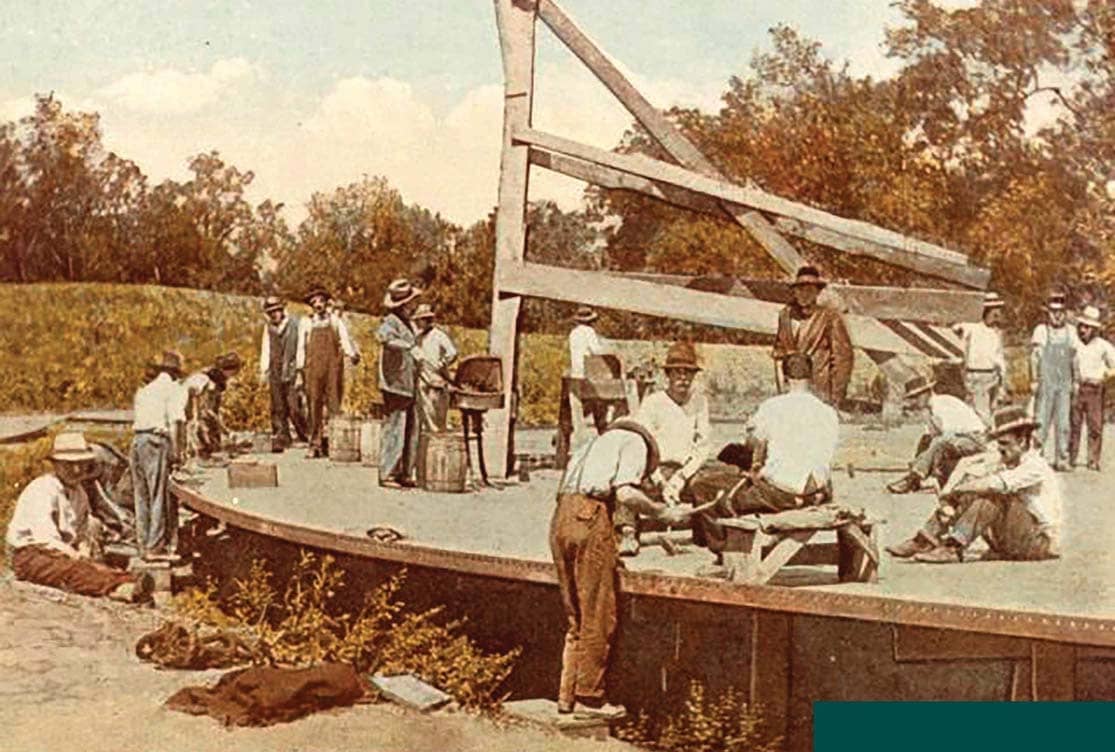
Only Parrish wasn’t interested. Fetching her daughter from a neighbour, the two climbed the stairs to their second-storey apartment. Little Florence took her place on the sofa along the windows, where she could watch the automobile and pedestrian traffic along Greenwood Avenue, while her mother sunk into her favourite chair, looking forward to a quiet evening of reading. That wasn’t going to happen, though. Within a couple of hours, Florence would watch an unfolding drama outside, as African-American men and women, some with guns, gathered on the street below. And before the clock on the mantel struck midnight, Mary Parrish and her daughter would find themselves at ground zero in the worst single incident of racial violence in American history.

Denne historien er fra June 2021-utgaven av BBC History Magazine.
Abonner på Magzter GOLD for å få tilgang til tusenvis av kuraterte premiumhistorier og over 9000 magasiner og aviser.
Allerede abonnent? Logg på
FLERE HISTORIER FRA BBC History Magazine

BBC History UK
Hymn to life
Scripted by Alan Bennett and directed by Nicholas Hytner - a collaboration that produced The Madness of King George and The History Boys – The Choral is set in 1916.

1 min
December 2025
BBC History UK
Helen Keller
It was when I was eight or nine years old, growing up in Canada, and I borrowed a book about her from my local library.
2 mins
December 2025

BBC History UK
Spain's miracle
The nation's transition from dictatorship to democracy in the late 1970s surely counts as one of modern Europe's most remarkable stories. On the 50th anniversary of General Franco's death, Paul Preston explores how pluralism arose from the ashes of tyranny
8 mins
December 2025
BBC History UK
Just how many Bayeux Tapestries were there?
As a new theory, put forward by Professor John Blair, questions whether the embroidery was unique, David Musgrove asks historians whether there could have been more than one 'Bayeux Tapestry'
7 mins
December 2025

BBC History UK
In service of a dictator
HARRIET ALDRICH admires a thoughtful exploration of why ordinary Ugandans helped keep a monstrous leader in power despite his regime's horrific violence
2 mins
December 2025
BBC History UK
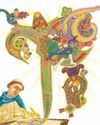
The Book of Kells is a masterwork of medieval calligraphy and painting
THE BOOK OF KELLS, ONE OF THE GREATEST pieces of medieval art, is today displayed in the library of Trinity College Dublin.
3 mins
December 2025
BBC History UK
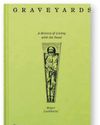
Passing interest
In his new book, Roger Luckhurst sets about the monumental task of chronicling the evolution of burial practices. In doing so, he does a wonderful job of exploring millennia of deathly debate, including the cultural meanings behind particular approaches.
1 mins
December 2025

BBC History UK
Is the advance of AI good or bad for history?
As artificial intelligence penetrates almost every aspect of our lives, six historians debate whether the opportunities it offers to the discipline outweigh the threats
8 mins
December 2025
BBC History UK
Beyond the mirage
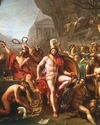
All serious scholarship on ancient Sparta has to be conducted within the penumbra of the 'mirage Spartiate', a French term coined in 1933 to describe the problem posed by idealised accounts of Sparta.
1 mins
December 2025
BBC History UK
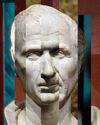
He came, he saw... he crucified pirates
Ancient accounts of Julius Caesar's early life depict an all-action hero who outwitted tyrants and terrorised bandits. But can they be trusted? David S Potter investigates
10 mins
December 2025
Translate
Change font size