
استمتع بـUnlimited مع Magzter GOLD
احصل على وصول غير محدود إلى أكثر من 9000 مجلة وصحيفة وقصة مميزة مقابل
يحاول ذهب - حر
TERMITE TRAP
February 16, 2025
|Down To Earth
A common tall grass variety provides a chemical-free option to control termites, highlights the need for mainstreaming local ecological knowledge
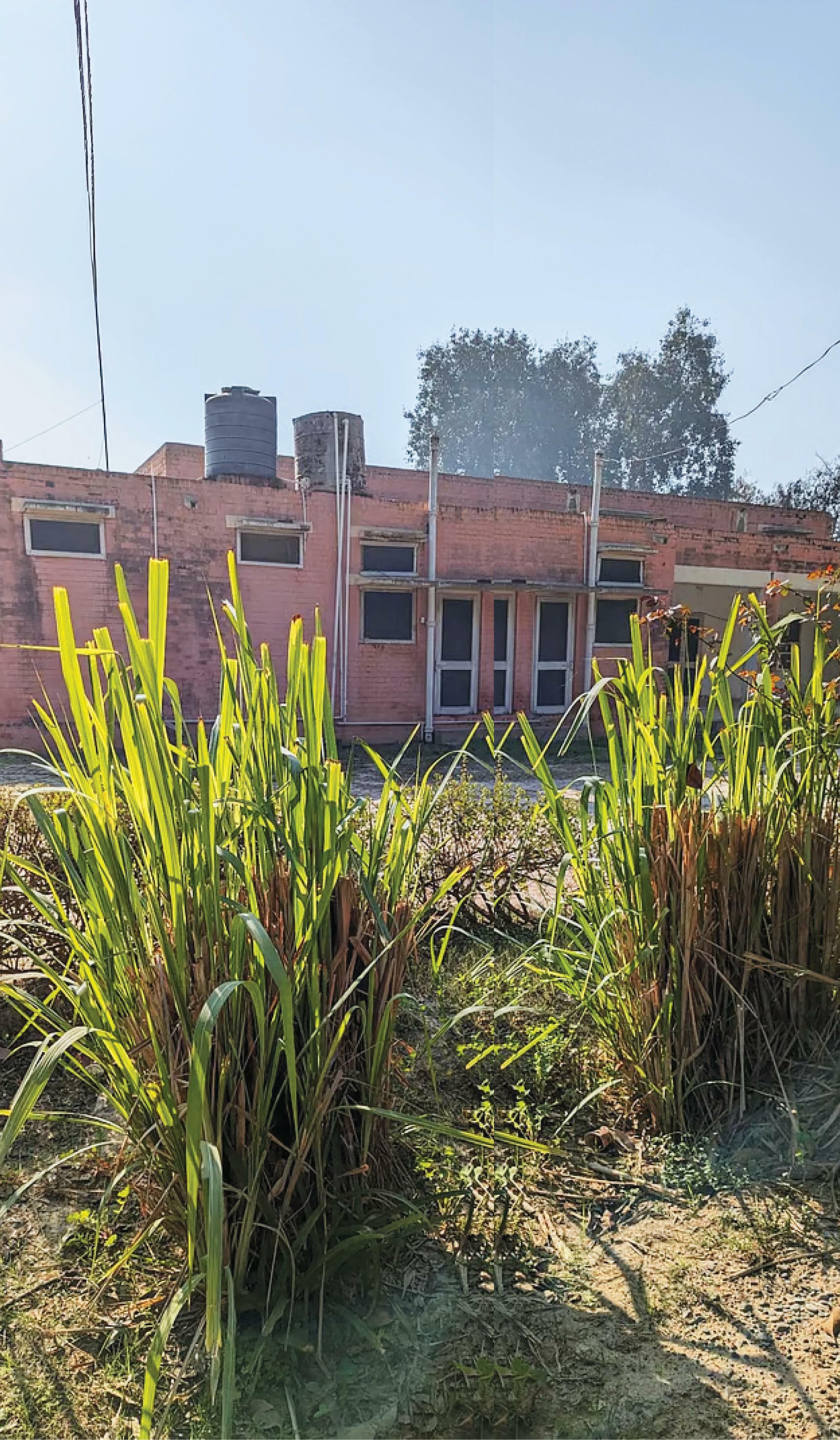
FEW PESTS spark as much alarm as termites, when spotted inside the house or on the farmland. The soft-bodied insects, 3-15 mm in length, can grow in number from a few to thousands in a matter of days. They can damage buildings by voraciously feeding on structures containing cellulose, like paper or wood, and insulating wires. They also cause significant damage to forests and plantation and agricultural crops, such as maize, wheat, cotton, sorghum and paddy.
As troublesome as these pests are, their control also comes with risks. Termite control involves the use of chemical pesticides such as organophosphates (like chlorpyrifos and diazinon), pyrethroids (permethrin, cypermethrin), organochlorines (aldrin and dieldrin), and fipronil, a broad-spectrum insecticide sold under trade name Termidor. These chemicals kill the termites by disrupting their nervous systems or digestive processes. Though some of these pesticides are banned in India, scientific studies show that exposure to these chemicals, which can be absorbed through inhalation, ingestion, ocular contact and dermal exposure, can cause serious illnesses in humans and other animals.
For instance, organophosphate poisoning can lead to respiratory failure, influenza-like symptoms such as nausea and vomiting, and cancer in humans, according to a 2024 review paper published in


هذه القصة من طبعة February 16, 2025 من Down To Earth.
اشترك في Magzter GOLD للوصول إلى آلاف القصص المتميزة المنسقة، وأكثر من 9000 مجلة وصحيفة.
هل أنت مشترك بالفعل؟ تسجيل الدخول
المزيد من القصص من Down To Earth

Down To Earth
THINK TWICE BEFORE FELLING SAL TREES
Many trees considered to be affected by sal borer in the 1990s are still alive today

1 mins
February 16, 2026

Down To Earth
EDGE OF SURVIVAL
Caste divides deny marginalised communities land, resources and essential aid, leaving them more vulnerable to climate disasters
6 mins
February 16, 2026

Down To Earth
A WISH LIST?
Union Budget for 2026-27 conveys the impression of a roll-call of intentions and ambitious proposals, with little detail on their formulation
6 mins
February 16, 2026
Down To Earth
Break down the gender wall
THE RULING National Democratic Alliance (NDA) government has been heavily invested in the goal to make India a developed economy by 2047.
2 mins
February 16, 2026

Down To Earth
MENSTRUAL HEALTH, NOW A FUNDAMENTAL RIGHT
In a landmark judgement, the Supreme Court has recognised menstrual health and hygiene as a fundamental right under Article 21 of the Constitution of India, which guarantees the right to life and dignity.
8 mins
February 16, 2026

Down To Earth
Of devolution and new disasters
The 16th Finance Commission pushes for changes in view of new fiscal and climatic conditions
11 mins
February 16, 2026
Down To Earth
Rising risks of plastics
NEGATIVE IMPACTS on human health due to emissions linked to the plastic lifecycle could double by 2040, according to a study published in The Lancet Planetary Health in January.
1 min
February 16, 2026

Down To Earth
GAP BETWEEN EPIDEMICS NARROWING
A watershed-based and landscape-level approach is needed to address forest degradation
2 mins
February 16, 2026
Down To Earth
WAITING TO STRIKE
Sal heartwood borer is considered the biggest threat to forestry in India, especially to the sal tree, where it lives and breeds.
11 mins
February 16, 2026

Down To Earth
A SPRING DELIGHT
Mustard flowers are not meant only for the eyes. Invite them to your plate once in a while
3 mins
February 16, 2026
Listen
Translate
Change font size