Prøve GULL - Gratis
TERMITE TRAP
Down To Earth
|February 16, 2025
A common tall grass variety provides a chemical-free option to control termites, highlights the need for mainstreaming local ecological knowledge
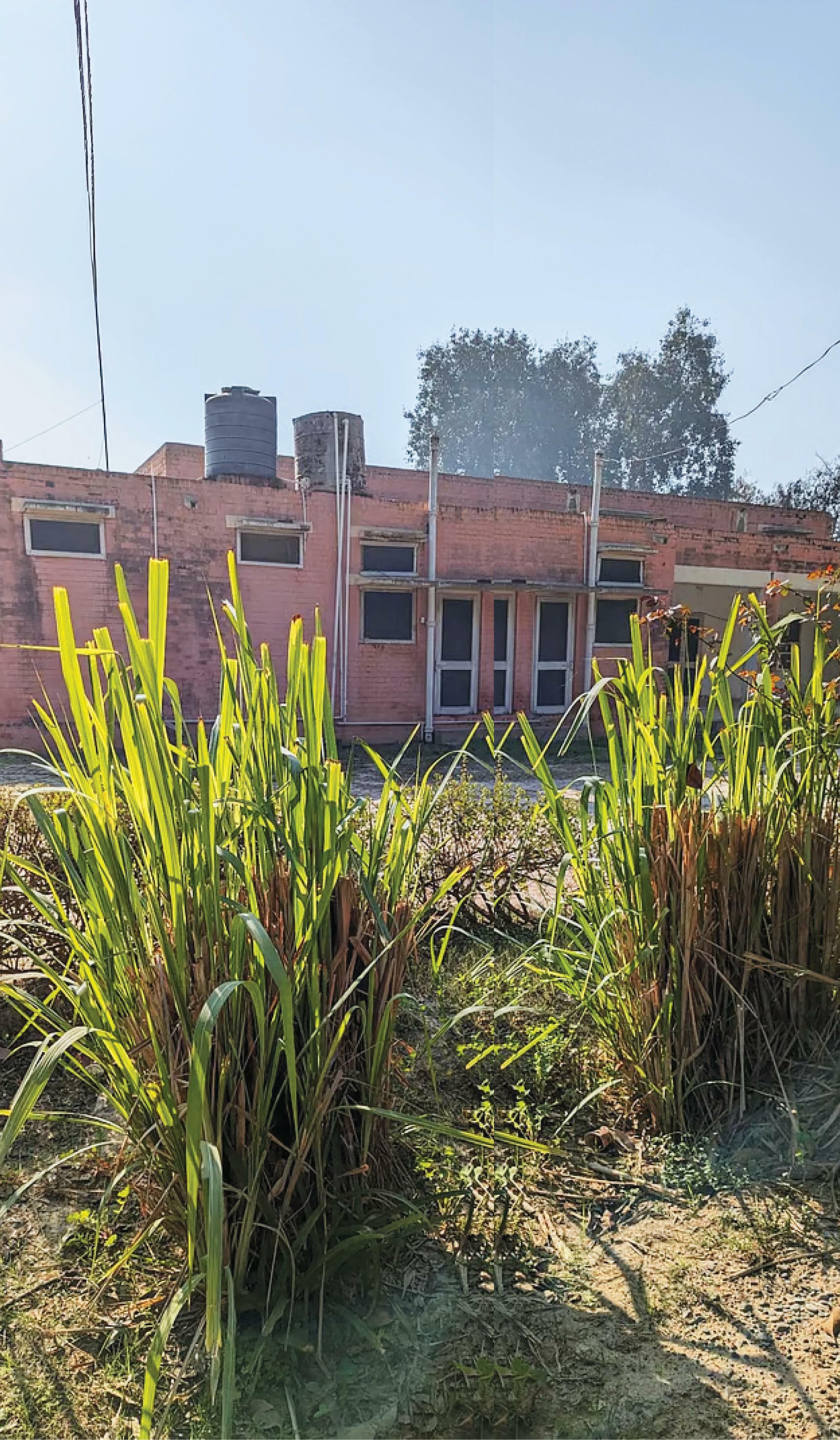
FEW PESTS spark as much alarm as termites, when spotted inside the house or on the farmland. The soft-bodied insects, 3-15 mm in length, can grow in number from a few to thousands in a matter of days. They can damage buildings by voraciously feeding on structures containing cellulose, like paper or wood, and insulating wires. They also cause significant damage to forests and plantation and agricultural crops, such as maize, wheat, cotton, sorghum and paddy.
As troublesome as these pests are, their control also comes with risks. Termite control involves the use of chemical pesticides such as organophosphates (like chlorpyrifos and diazinon), pyrethroids (permethrin, cypermethrin), organochlorines (aldrin and dieldrin), and fipronil, a broad-spectrum insecticide sold under trade name Termidor. These chemicals kill the termites by disrupting their nervous systems or digestive processes. Though some of these pesticides are banned in India, scientific studies show that exposure to these chemicals, which can be absorbed through inhalation, ingestion, ocular contact and dermal exposure, can cause serious illnesses in humans and other animals.
For instance, organophosphate poisoning can lead to respiratory failure, influenza-like symptoms such as nausea and vomiting, and cancer in humans, according to a 2024 review paper published in


Denne historien er fra February 16, 2025-utgaven av Down To Earth.
Abonner på Magzter GOLD for å få tilgang til tusenvis av kuraterte premiumhistorier og over 9000 magasiner og aviser.
Allerede abonnent? Logg på
FLERE HISTORIER FRA Down To Earth
Down To Earth
Popular distrust
THE WORLD seems to be going through a period of stasis despite facing an unfathomable polycrisis.

2 mins
February 01, 2026
Down To Earth
CONSERVE OR PERISH
Periyar Tiger Reserve has rewritten Indian conservation by turning poachers into protectors and conflict into coexistence
5 mins
February 01, 2026

Down To Earth
'Rivers need to run free'
From Tibet to West Bengal, the Brahmaputra is the pulse of communities and ecosystems along its course. But what are the risks the river faces through human interventions, particularly dams, discusses journalist, author and filmmaker SANJOY HAZARIKA in his new book, River Traveller.
4 mins
February 01, 2026

Down To Earth
India is facing up to its innovation lag
There are signs now that India is acknowledging the superior strides made by China in a frontier technology like Al
4 mins
February 01, 2026

Down To Earth
Competing concerns
What are the repercussions of the EU-Mercosur pact that have made European farmers protest against the free trade agreement?
4 mins
February 01, 2026

Down To Earth
From fryer to flight
Sustainable fuel made from used cooking oil can play a pivotal role in helping India achieve its aviation emission reduction goals. Measures to collect this oil must be revamped
4 mins
February 01, 2026

Down To Earth
ACCESS OPEN
An amendment to India's nodal forest conservation law opens up forests across India to commercial exploitation by the paper industry
6 mins
February 01, 2026
Down To Earth
DRINK FROM TAP CAN BE A REALITY
As cities across India struggle to supply safe piped water, Odisha offers a success story
2 mins
February 01, 2026

Down To Earth
GREAT DRYING
The Earth is hotter than at any point in the past 100,000 years, with 2023-25 becoming the warmest three-year period on record and also breaching the 1.5°C threshold for the first time. One fallout is dwindling freshwater.
22 mins
February 01, 2026

Down To Earth
Green redemption
Restoration of grasslands of Kerala's Pampadum Shola National Park, once dominated by invasive Australian wattles, see a return of streams and native species
1 mins
February 01, 2026
Listen
Translate
Change font size