
استمتع بـUnlimited مع Magzter GOLD
احصل على وصول غير محدود إلى أكثر من 9000 مجلة وصحيفة وقصة مميزة مقابل
يحاول ذهب - حر
HATE MAIL
October 2023
|BBC History UK
The 19th and early 20th centuries saw an explosion of malicious letters penned by anonymous authors. As Emily Cockayne reveals via six cases, these messages often reflected the fears and prejudices that stalked Britain

“Red ink is fit enough I hope ha ha.” So read the infamous first ‘Dear Boss’ letter, written in September 1888 in the aftermath of the first gruesome murders in London’s East End. Penned in red ink and signed ‘Jack the Ripper’, it was sent to a London-based news distribution service. Hoax letters about the crimes continued to appear until 1896.
By that time, unsigned letters – or those signed with initials, symbols or a pseudonym – had become fairly common. Some were intended to unsettle the recipient; others were written to undermine a third person. Letters were sent to individuals, authority figures and even entire communities. Most malicious anonymous letters were concerned with reputation, or were written in response to real or imagined grievances and designed to wreak revenge. Most were destroyed after receipt, but a few became the focus of investigation if they were obscene, threatening or libellous. We can’t be entirely sure what types of people wrote anonymous letters, because we can only analyse those that were investigated, and that sample will reflect the biases, norms and preoccupations of society at the time. However, examining the letters does offer us certain clues.
The introduction in 1840 of the pre-paid Penny Post improved the privacy of the mail, which increased still further in the 1850s with the installation of pillar boxes. In 1870, attention was drawn “to the nuisance that the new half-penny post was likely to become by mischievous persons sending obscene, slanderous, or grossly offensive remarks on the open cards”. Half a century later, during the interwar period, the media fixated on reports of ‘epidemic’ campaigns during a heyday of anonymous letter-writing.

هذه القصة من طبعة October 2023 من BBC History UK.
اشترك في Magzter GOLD للوصول إلى آلاف القصص المتميزة المنسقة، وأكثر من 9000 مجلة وصحيفة.
هل أنت مشترك بالفعل؟ تسجيل الدخول
المزيد من القصص من BBC History UK
BBC History UK
Royal progress
Alice Loxton's new book begins with a compelling premise.

1 mins
January 2026

BBC History UK
"Leaving Muslim contributions out of European history has allowed Islamophobic sentiment to flourish"
THARIK HUSSAIN speaks to Danny Bird about the long but often overlooked and distorted history of Muslims in Europe - and the enduring resistance to its reappraisal
9 mins
January 2026
BBC History UK
7 UNMISSABLE TRIPS IN 2026
With new routes, big anniversaries and fresh ways of discovering familiar favourites, TOM HALL highlights historical destinations to explore this year
4 mins
January 2026

BBC History UK
SOPHIE SCHOLL
Novelist Simon Scarrow chooses
2 mins
January 2026
BBC History UK
Portrait of the artists
TRACY BORMAN is enraptured by a beautifully written and richly illustrated exploration of early modern English art
2 mins
January 2026
BBC History UK
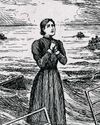
Humble heroes
Statues celebrate monarchs, rulers and conquerors - but who remembers the brave folk who gave their lives to save others? Anna Maria Barry recounts stories of selfsacrificing but otherwise ordinary people from the 19th and 20th centuries who are commemorated in one London park.
9 mins
January 2026
BBC History UK
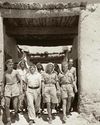
BACK FROM THE DEAD
Britain’s War Office thanked the SAS for its remarkable efforts in WW2 by abolishing it – yet soon realised the error of its ways. Gavin Mortimer tells the story of how the elite unit reinvented itself to confront the challenges of the postwar world
8 mins
January 2026
BBC History UK
Q&A - A selection of historical conundrums answered by experts
Were Roman gladiators vegetarian?
8 mins
January 2026
BBC History UK
Martha McGill on a pioneering study of folk beliefs in early modern England
I was recently chatting with a handful of early modernists about the history book we'd take to a desert island.
1 min
January 2026
BBC History UK
Independent empires
Viewing the British empire through an American lens provides an intriguing alternative perspective on the 'Land of the Free', says DAVID ARMITAGE
4 mins
January 2026
Translate
Change font size