
Ga onbeperkt met Magzter GOLD
Krijg onbeperkte toegang tot meer dan 9000 tijdschriften, kranten en Premium-verhalen voor slechts
Poging GOUD - Vrij
HATE MAIL
BBC History UK
|October 2023
The 19th and early 20th centuries saw an explosion of malicious letters penned by anonymous authors. As Emily Cockayne reveals via six cases, these messages often reflected the fears and prejudices that stalked Britain

“Red ink is fit enough I hope ha ha.” So read the infamous first ‘Dear Boss’ letter, written in September 1888 in the aftermath of the first gruesome murders in London’s East End. Penned in red ink and signed ‘Jack the Ripper’, it was sent to a London-based news distribution service. Hoax letters about the crimes continued to appear until 1896.
By that time, unsigned letters – or those signed with initials, symbols or a pseudonym – had become fairly common. Some were intended to unsettle the recipient; others were written to undermine a third person. Letters were sent to individuals, authority figures and even entire communities. Most malicious anonymous letters were concerned with reputation, or were written in response to real or imagined grievances and designed to wreak revenge. Most were destroyed after receipt, but a few became the focus of investigation if they were obscene, threatening or libellous. We can’t be entirely sure what types of people wrote anonymous letters, because we can only analyse those that were investigated, and that sample will reflect the biases, norms and preoccupations of society at the time. However, examining the letters does offer us certain clues.
The introduction in 1840 of the pre-paid Penny Post improved the privacy of the mail, which increased still further in the 1850s with the installation of pillar boxes. In 1870, attention was drawn “to the nuisance that the new half-penny post was likely to become by mischievous persons sending obscene, slanderous, or grossly offensive remarks on the open cards”. Half a century later, during the interwar period, the media fixated on reports of ‘epidemic’ campaigns during a heyday of anonymous letter-writing.


Dit verhaal komt uit de October 2023-editie van BBC History UK.
Abonneer u op Magzter GOLD voor toegang tot duizenden zorgvuldig samengestelde premiumverhalen en meer dan 9000 tijdschriften en kranten.
Bent u al abonnee? Aanmelden
MEER VERHALEN VAN BBC History UK
BBC History UK
On the skids
Richard Rodgers and Oscar Hammerstein II's smash musical Oklahoma! opened on Broadway on 31 March 1943.

1 min
Christmas 2025

BBC History UK
Small pleasures
Memory is imperfect, but what if you could get a professional model maker to recreate a moment from the past?
1 min
Christmas 2025

BBC History UK
Bath in five places
In the Georgian era, Bath became arguably Britain's most fashionable destination. KIRSTEN ELLIOTT promenades five historic highlights
3 mins
Christmas 2025
BBC History UK
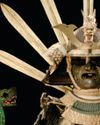
End times
Why do civilisations that dominated their epoch fail? In an era of autocracy, climate change, the rise of Al and a first-hand understanding of how deadly pandemics can be, it's a question that seems pertinent.
1 min
Christmas 2025
BBC History UK
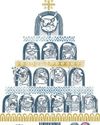
What are the origins of the Yule Lads?
To learn about the Jólasveinar (Yule Lads), we must start with their mother, the terrifying ogress Grýla. Her name appeared in Icelandic texts as early as the 13th century, although it wasn’t until later that those 13 mischievous lads became associated with her. Folk tales and poems tell how she descends from the mountains with an empty sack to stuff full of children. Grýla owns the monstrous Jólaköttur (Yule Cat), which roams the countryside on Christmas Eve, searching for children to gobble up if they're not wearing new clothes.
1 mins
Christmas 2025
BBC History UK
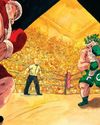
Santa Claus v Father Christmas
The true identity of the white-bearded, red-robed figure who fills children's stockings at Christmas has long been debated. Thomas Ruys Smith sizes up the merry contenders
8 mins
Christmas 2025

BBC History UK
Frontier friction
Set in Washington Territory in 1854, The Abandons is a Western that's unusual for having two matriarchs, women whose lives become entangled, at its centre.
1 min
Christmas 2025

BBC History UK
The Last Days of Pompeii: The Immersive Experience
Delve into the culture of daily Roman life, witness the momentous eruption of Mount Vesuvius, and follow its fallout in Immerse LDN's new exhibition. In a blend of cutting-edge technology and vivid storytelling, this exhibition launches visitors into Pompeii's rich history with recreations of the ancient city's beautiful pre-eruption landscape, a 360-degree virtual reality Roman amphitheatre experience, and a digital metaverse recreating Pompeii's 'Villa of Mysteries'.
1 min
Christmas 2025
BBC History UK
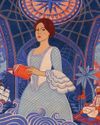
Elizabeth Marsh The corsair's captive
Taken hostage by a Barbary ship's captain in the 18th century, a young Englishwoman found herself fighting for her freedom in Marrakech. ADAM NICHOLS introduces a brave captive who later wrote a book about her dramatic experiences
6 mins
Christmas 2025
BBC History UK
29 DECEMBER 1170: Thomas Becket is murdered in Canterbury
Knights loyal to Henry II rid him of the “low-born cleric”
2 mins
Christmas 2025
Translate
Change font size