
استمتع بـUnlimited مع Magzter GOLD
احصل على وصول غير محدود إلى أكثر من 9000 مجلة وصحيفة وقصة مميزة مقابل
يحاول ذهب - حر
Independent empires
January 2026
|BBC History UK
Viewing the British empire through an American lens provides an intriguing alternative perspective on the 'Land of the Free', says DAVID ARMITAGE
-
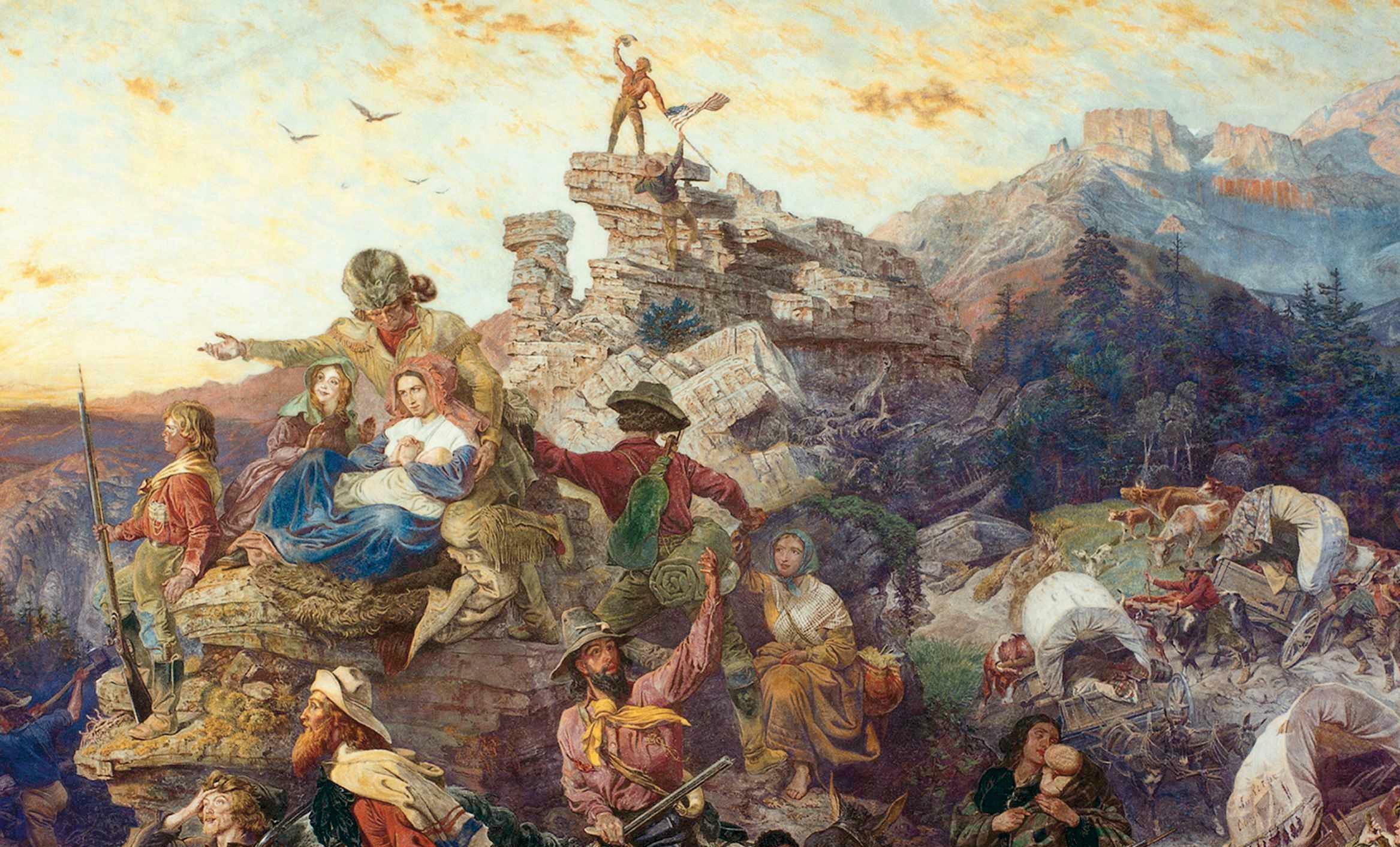
"America is lost! Must we fall beneath the blow? Or have we resources that may repair the mischiefs?" These are the opening words of a memo in the hand of George III in the wake of the 1783 Peace of Paris, which ended the American Revolutionary War. The king copied them from a contemporary reflection by the agricultural writer Arthur Young, but they captured his own distress and reflected his broad vision of the crisis. As the king totted up the dominions he had left, he feared for the future. “The East and West Indies,” he wrote, “are conceived to be the great commercial supports of the empire” - yet, so distant from Britain, each depended precariously on the nation’s navy.
George had to see his empire whole, so put the American Revolution in a global context. If historians for the next two centuries largely failed to follow him, it was because the revolution mostly interested Americans. Understandably, they wanted to learn where their own national history began. The story of the empire they had left belonged to others.
The king got it right, and Americans missed a trick. At least, so British imperial historians Andrew Jackson O'Shaughnessy and the late Trevor Burnard argue in their new book. “The American Revolution was an imperial event as much as it was an event in American history,” they claim, adding that it was “Britain's imperial problem as much as the birth of the American republic.”

هذه القصة من طبعة January 2026 من BBC History UK.
اشترك في Magzter GOLD للوصول إلى آلاف القصص المتميزة المنسقة، وأكثر من 9000 مجلة وصحيفة.
هل أنت مشترك بالفعل؟ تسجيل الدخول
المزيد من القصص من BBC History UK
BBC History UK
Royal progress
Alice Loxton's new book begins with a compelling premise.

1 mins
January 2026

BBC History UK
"Leaving Muslim contributions out of European history has allowed Islamophobic sentiment to flourish"
THARIK HUSSAIN speaks to Danny Bird about the long but often overlooked and distorted history of Muslims in Europe - and the enduring resistance to its reappraisal
9 mins
January 2026
BBC History UK
7 UNMISSABLE TRIPS IN 2026
With new routes, big anniversaries and fresh ways of discovering familiar favourites, TOM HALL highlights historical destinations to explore this year
4 mins
January 2026

BBC History UK
SOPHIE SCHOLL
Novelist Simon Scarrow chooses
2 mins
January 2026
BBC History UK
Portrait of the artists
TRACY BORMAN is enraptured by a beautifully written and richly illustrated exploration of early modern English art
2 mins
January 2026
BBC History UK
Humble heroes
Statues celebrate monarchs, rulers and conquerors - but who remembers the brave folk who gave their lives to save others? Anna Maria Barry recounts stories of selfsacrificing but otherwise ordinary people from the 19th and 20th centuries who are commemorated in one London park.
9 mins
January 2026
BBC History UK
BACK FROM THE DEAD
Britain’s War Office thanked the SAS for its remarkable efforts in WW2 by abolishing it – yet soon realised the error of its ways. Gavin Mortimer tells the story of how the elite unit reinvented itself to confront the challenges of the postwar world
8 mins
January 2026
BBC History UK
Q&A - A selection of historical conundrums answered by experts
Were Roman gladiators vegetarian?
8 mins
January 2026
BBC History UK
Martha McGill on a pioneering study of folk beliefs in early modern England
I was recently chatting with a handful of early modernists about the history book we'd take to a desert island.
1 min
January 2026
BBC History UK
Independent empires
Viewing the British empire through an American lens provides an intriguing alternative perspective on the 'Land of the Free', says DAVID ARMITAGE
4 mins
January 2026
Listen
Translate
Change font size