يحاول ذهب - حر
“lo Saturnalia!"
Issue 150
|All About History UK
What was the 'Roman Christmas"?

It’s the dark of midwinter but all around you are bright candles – gifts have been exchanged, you’re digging in to a hearty meal and you’re surrounded by friends and family, many of whom might be a little the worse for drink. The mood is jolly and relaxed, no one has to work today and everyone can enjoy themselves as they see fit. Outside, you can hear people walking up the street singing songs of the season, but they aren’t Christmas carols. No, this celebration is Saturnalia, the multi-day festival of the god of farming and the harvest and, as you can likely tell, a celebration that had a lot of influence on religious holidays that followed.
As the name implies, Saturnalia was a celebration of Saturn, the Roman god of farming and the harvest. It was originally honoured on 19 December each year, according to the old Roman calendar, to coincide with the end of the winter sowing season. Columella, a Roman soldier and farmer who wrote extensively about Roman agriculture, states that a farmer should be done with planting their autumn crops by the beginning of December. As such, this was a natural time to rest and relax in the lead up to the solstice, before the work of the farm would pick up once again.
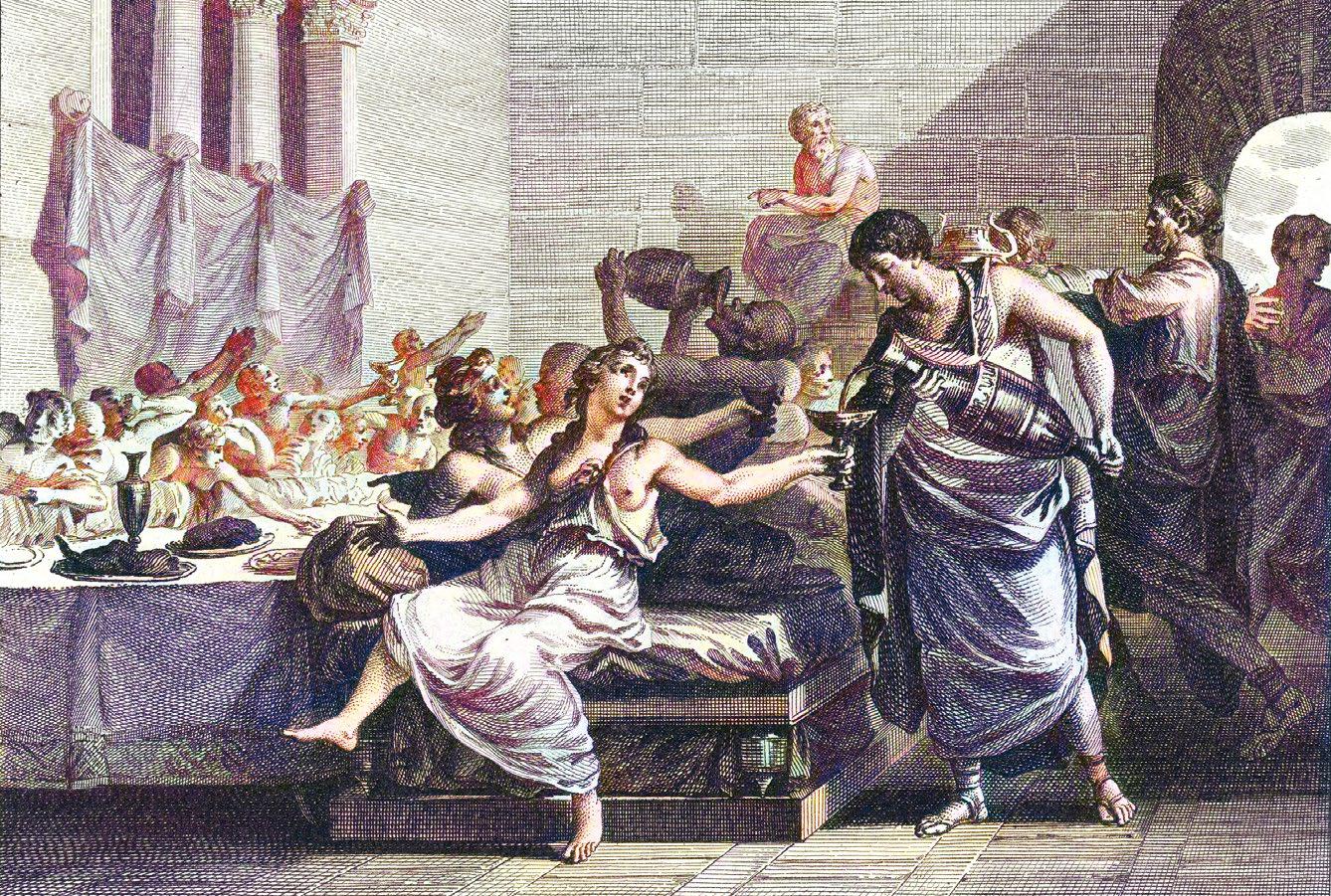 Who was Saturn?
A quick guide to the god of the harvest
Saturn was the god of sowing and by extension the god of farmers and harvests for the ancient Romans. He was connected to the Greek Titan Cronus, who had been exiled from Olympus by Zeus. In Roman mythology he went on to a more peaceful life as the ruler of Latium, the region in which Rome was established, and taught the local people to cultivate the land.

هذه القصة من طبعة Issue 150 من All About History UK.
اشترك في Magzter GOLD للوصول إلى آلاف القصص المتميزة المنسقة، وأكثر من 9000 مجلة وصحيفة.
هل أنت مشترك بالفعل؟ تسجيل الدخول
المزيد من القصص من All About History UK
All About History UK
THE KING'S TRAITOR
A comprehensive study of Reginald Pole, Henry VIII's arch rival

1 min
Issue 164
All About History UK
A ROYAL OUTCAST: THE LIFE AND SCANDAL OF PRINCESS LOUISE, PRINCE ALBERT'S MOTHER
The fascinating story of a little-known royal
2 mins
Issue 164

All About History UK
WHAT IF...THE NAZIS HAD THE ATOM BOMB FIRST?
With the ultimate weapon in his grasp, would Hitler have held Europe to ransom or reduced it to rubble?
6 mins
Issue 164

All About History UK
HISTORY VS HOLLYWOOD EDEN
How did the promise of Utopia in the Galápagos Islands really unravel?
1 min
Issue 164

All About History UK
15 Historic Deadly Diet Tips
UNCOVER SOME OF THE PAST'S STRANGEST AND MOST DANGEROUS EATING HABITS AND WEIGHT-LOSS FADS
5 mins
Issue 164

All About History UK
GUACAMOLE: CENTRAL AMERICA, 14TH CENTURY - PRESENT
Today guacamole is a common sight around the globe, frequently served with a plate of loaded nachos in your favourite drinking establishment or slathered through a spicy burrito.
1 mins
Issue 164

All About History UK
The Baroness of the Sea
Discover the life of the pioneering woman who broke boundaries in circumnavigating the oceans
6 mins
Issue 164
All About History UK
AZTEC SACRIFICE
Why this great empire believed bloody rites and cannibalism brought order to the cosmos
13 mins
Issue 164

All About History UK
RISE OF THE WAAF
How a group of women risked their lives to protect their nation in WWII and shatter social norms
6 mins
Issue 164
All About History UK
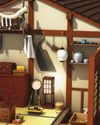
NAGAYA ROWHOUSE Edo Japan c.1603 - present
During the Edo period, residences were built to house the lower strata of Japanese society.
1 min
Issue 164
Listen
Translate
Change font size