يحاول ذهب - حر
RISE OF THE WAAF
Issue 164
|All About History UK
How a group of women risked their lives to protect their nation in WWII and shatter social norms
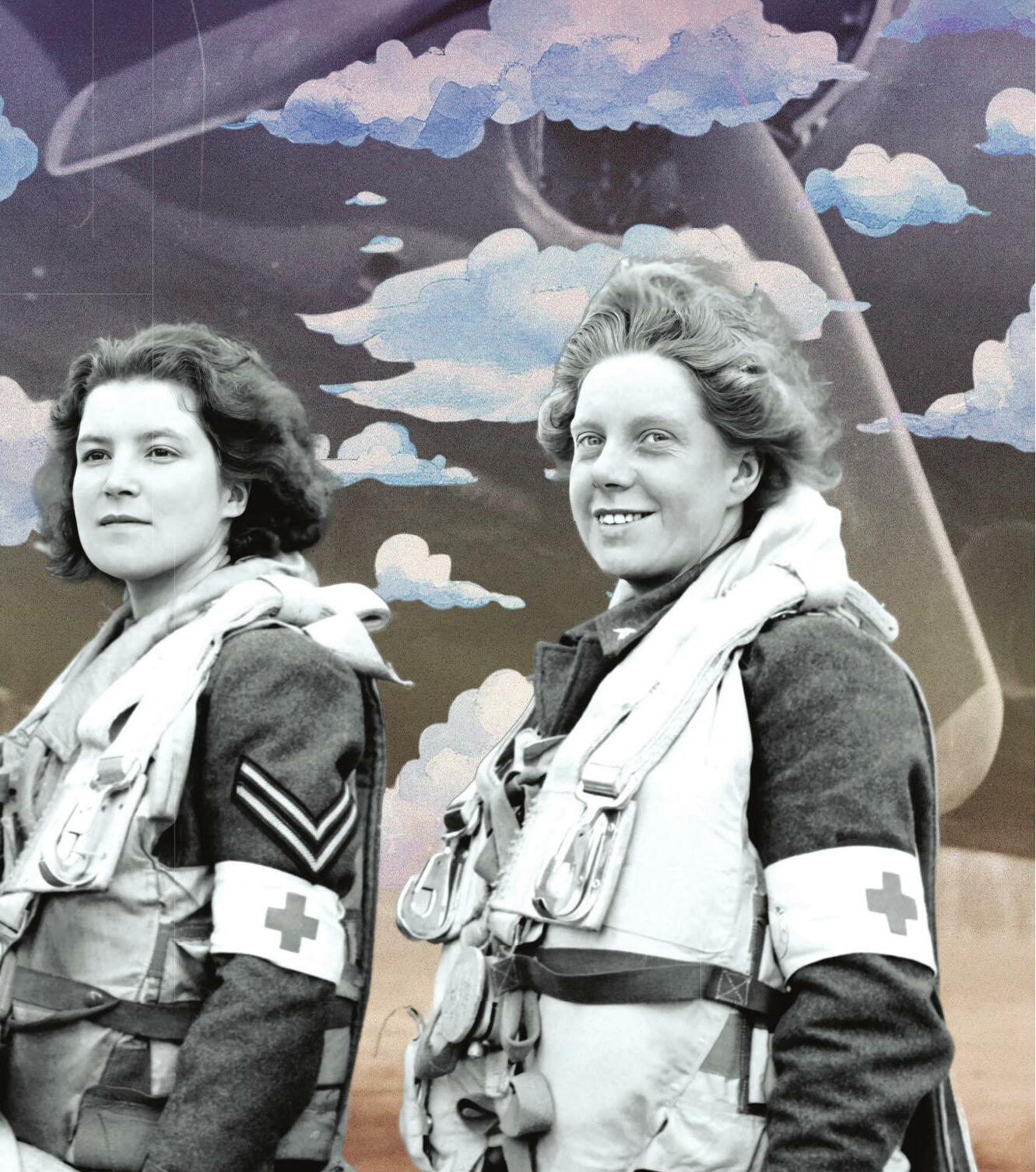
The Women's Royal Air Force (WRAF) first came into being along with the Royal Air Force (RAF) in April 1918. However, by 1920 it was disbanded along with the other women's services. It was not until June 1939, when the Second World War seemed inevitable, that the Women's Auxiliary Air Force (WAAF) was formally established by King George VI. The Auxiliary Territorial Service (ATS) had previously existed as the female equivalent of the Territorial Army, but the motive behind the creation of the WAAF was that a separate women's air service was needed. It was not a totally independent service but rather interlinked to the RAF so women could be brought in to replace RAF personnel when required. Recruitment for the WAAF was not just from Great Britain; many overseas women also joined the organisation, and recruitment took place in the Middle East from 1942, including recruits from the Egyptian, Palestinian, Greek and Cypriot communities.
The roles of women recruited into the WAAF initially consisted of clerks, kitchen orderlies and drivers. This allowed men previously fulfilling these roles to be moved to frontline duties. These roles were generally seen as more acceptable for women due to their domestic nature. The ability of women to fulfil more mentally taxing roles was doubted from the start of the WAAF's formation. However, as the war progressed and situation became more dire, the strain the RAF was under led it to place women in roles previously thought unfathomable, including telephony, telegraphy and intercepting codes and ciphers. Women also entered the male-dominated worlds of mechanics and engineering.

هذه القصة من طبعة Issue 164 من All About History UK.
اشترك في Magzter GOLD للوصول إلى آلاف القصص المتميزة المنسقة، وأكثر من 9000 مجلة وصحيفة.
هل أنت مشترك بالفعل؟ تسجيل الدخول
المزيد من القصص من All About History UK
All About History UK
73 EASTING
SOUTHEASTERN IRAQ 26-27 FEBRUARY 1991

10 mins
Issue163
All About History UK
MARIE ANTOINETTE: FASHION ICON
A new exhibition explores the enduring style of the infamous 18th-century French queen
2 mins
Issue163
All About History UK
INK! FROM THE AGE OF EMPIRE TO BLACK POWER, THE JOURNALISTS WHO TRANSFORMED BRITAIN
Bringing seven fascinating voices back into the limelight
1 mins
Issue163

All About History UK
THE HURRICANE
Does this story of unjust incarceration stick to the evidence?
1 min
Issue163
All About History UK
JANE AUSTEN'S ENGLAND
How Regency romance, society and family bonds inspired one of the nation's greatest authors
14 mins
Issue163
All About History UK
THE VALUE OF SPICES
Roger Crowley explains how spices transformed the world and why they were such a valuable commodity
4 mins
Issue163
All About History UK
EL GENERALISIMO
A new biography explores the life of Francisco Franco - the dictator who ruled Spain for 39 years
1 min
Issue163

All About History UK
Founder of the Persian Empire
How Cyrus the Great forged his kingdom using force and smart administration of his government
8 mins
Issue163
All About History UK
PORTUGUESE NAU
Portugal 14th - 16th century
2 mins
Issue163

All About History UK
LEMON SYLLABUB
ENGLAND, 16-19TH CENTURY
1 mins
Issue163
Listen
Translate
Change font size