Denemek ALTIN - Özgür
At your convenience
Gourmet Traveller
|July 2025
In just 50 short years, the konbini has established itself as a beacon of Japanese culture both at home and abroad. MAX VEENHUYZEN explores the past, present and potential of Japan's ubiquitous convenience stores.
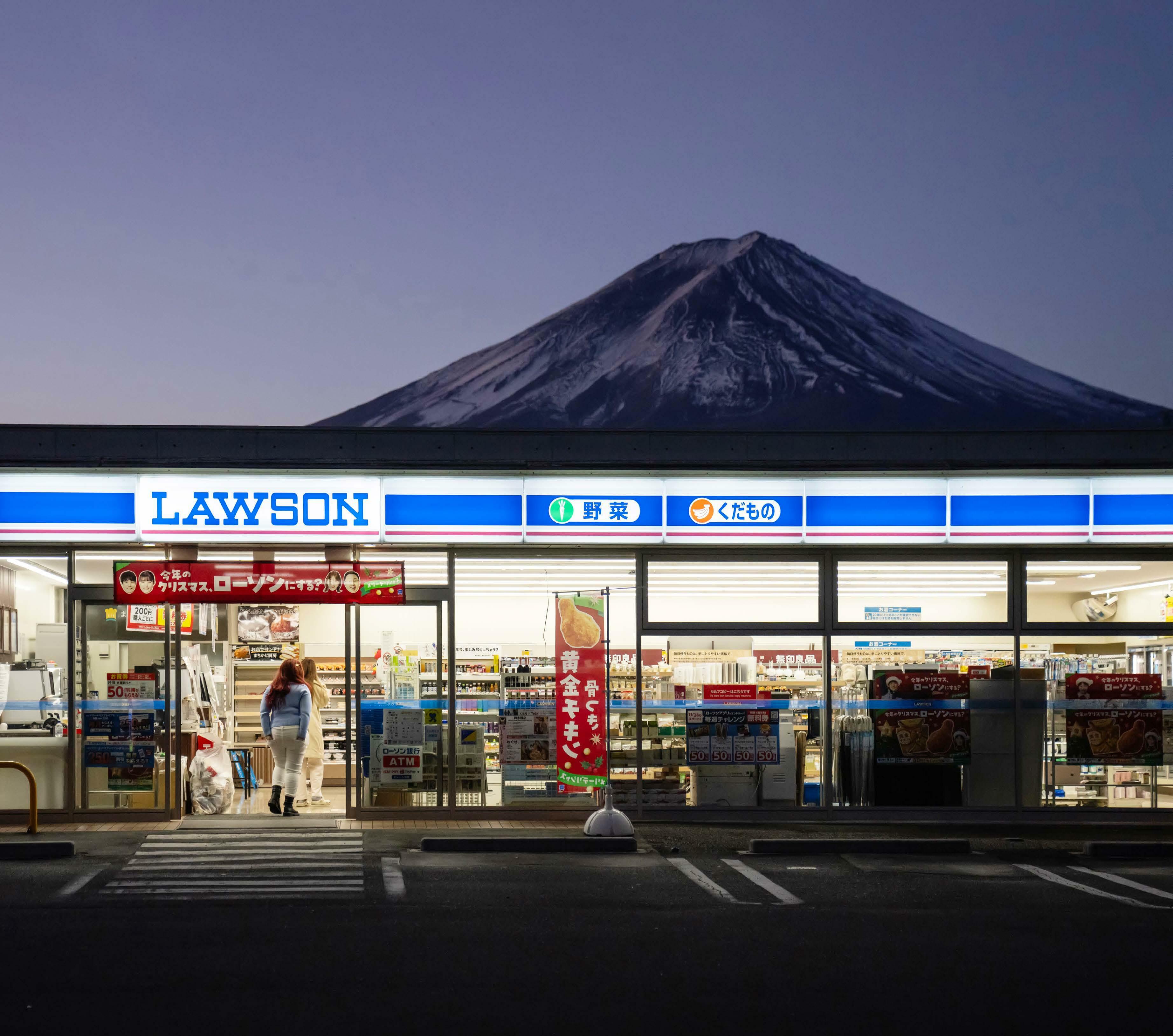
WHEN KENJI YAMAMOTO OPENED JAPAN'S first 7-Eleven in 1974, his goal was to reinvent his family's Tokyo liquor store. Mission accomplished. And then some.
The success of Yamamoto's gamble helped pave the way for an industry that, in 2024, saw customers spend 11 trillion yen across Japan's 56,000 konbini: the shortened form of the Japanese word, “konbiniensu sutoru”.
As its name suggests, a good konbini is convenient and accessible: a one-stop shop providing essential goods and services ranging from document printing to luggage-forwarding. Food and drink, naturally, are key offerings, especially once 24-hour trading started in 1975. This move was a game-changer, not just for locals who could buy snacks, groceries and alcohol around the clock, but also for tourists.
“Konbini are great during those first few days of a trip when you're jet-lagged,” says Australian-Japanese author, Emiko Davies. “You can always find one, no matter what time of day or night.”
In 2024, an estimated 37 million visitors hit Japan. Two such visitors were Caryn Ng and Brendan Liew, the duo behind Melbourne Japanese cafe and pop-up Chotto and authors of Konbini (Smith Street Books, $50): a paean to convenience store culture told through stories, photography and recipes for konbini favourites.
“We've always wanted to do something on konbini because they're such a big part of Japanese life,” says Liew who works at Warabi at W Melbourne. Their previous book, Tokyo Up Late included a single chapter on konbini, “but we felt that it could have been so much more and even encompass a whole book.”


Bu hikaye Gourmet Traveller dergisinin July 2025 baskısından alınmıştır.
Binlerce özenle seçilmiş premium hikayeye ve 9.000'den fazla dergi ve gazeteye erişmek için Magzter GOLD'a abone olun.
Zaten abone misiniz? Oturum aç
Gourmet Traveller'den DAHA FAZLA HİKAYE

Gourmet Traveller
Hot in the city
There's no need to deliberate between beach and metropolis, Just do both.

4 mins
January 2026

Gourmet Traveller
Daphne
Review by MICHAEL HARDEN.
2 mins
January 2026

Gourmet Traveller
Everyday
Easy entertaining, simple weeknight dinners and suppers to share.
11 mins
January 2026
Gourmet Traveller
Viewing the world like a sailor
When you travel by sea, you never look at a destination the same way again
3 mins
January 2026

Gourmet Traveller
Postcards from Lisbon
The food in Portugal's hilly coastal capital is definitely something to write home about
4 mins
January 2026

Gourmet Traveller
Brand Americano
Melbourne's glamorous steakhouse brings its elevated style to Sydney,
2 mins
January 2026

Gourmet Traveller
Jess Coulson
This month we catch up with the co-owner of Ruffle Farm, which grows and supplies gourmet mushrooms in Sydney's inner west.
2 mins
January 2026

Gourmet Traveller
Worth your salt
Its reputation has ebbed and flowed but as IVY CARRUTH discovers, seasoning from the sea is back in fashion.
4 mins
January 2026

Gourmet Traveller
TWILIGHT ZONE
Iceland's midnight sun, geothermal wonders and rugged terrain make for a summer drive unlike any other
5 mins
January 2026

Gourmet Traveller
The new nostalgia
Overwhelmed by modern life? The simple pleasures of an old-school holiday might just be the perfect antidote
3 mins
January 2026
Listen
Translate
Change font size