
Magzter GOLD ile Sınırsız Olun
Sadece 9.000'den fazla dergi, gazete ve Premium hikayeye sınırsız erişim elde edin
Denemek ALTIN - Özgür
SCIENCE SAVES THE WORLD
The Week Junior Science+Nature UK
|February 2025
Space umbrellas, green sand and garlic milk... Isabel Thomas explores the boldest ideas and wackiest ways to fight climate change and fix the planet.
-
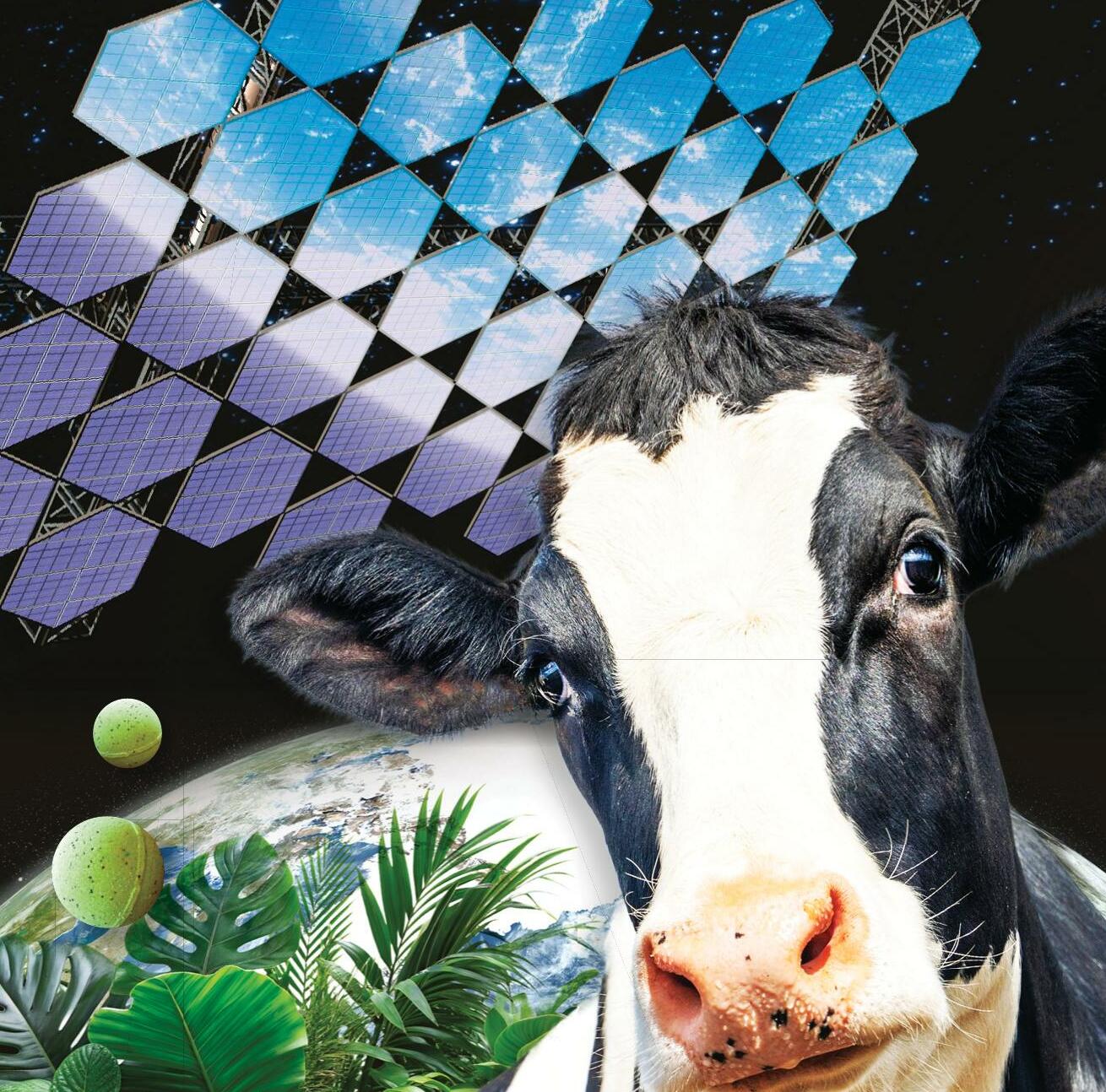
Every day seems to bring new stories of extreme weather around the world, from flash floods and forest fires to melting glaciers and crumbling coastlines. Most scientists agree that these events are becoming more common because of climate changes caused by the rise in average global temperatures.
However, there is also hope that technology will help us fix the problems caused by 200 years of burning fossil fuels (coal, oil and gas). From mechanical trees to Moon-dust sunscreen, scientists and engineers are hard at work inventing all kinds of ingenious solutions for a lower-carbon future.
What causes climate change?
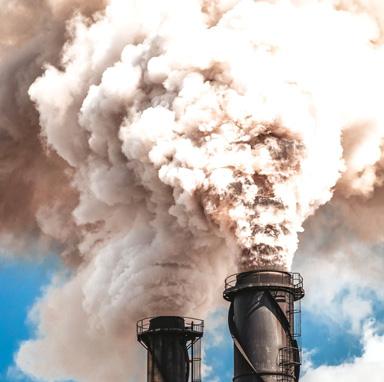
Global warming has lots of causes, but carbon dioxide is the most infamous. This invisible gas makes up just 0.04% of Earth's atmosphere, but it has a planet-sized impact. Along with water vapour and methane, carbon dioxide is a greenhouse gas. This means that it absorbs some of the Sun's energy and traps it in Earth's atmosphere, stopping it from escaping back into space.
This "greenhouse effect" is natural and keeps our planet warm enough to live on. However, since the Industrial Revolution began around 250 years ago, humans have been adding tonnes of extra greenhouse gases to the atmosphere.
When fossil fuels are burned, the carbon in those fuels combines with oxygen in the air, forming carbon dioxide. This extra greenhouse gas increases the greenhouse effect, trapping more of the Sun's energy than normal. As a result, the world is getting warmer, causing climate change.
 Tummy trumpets

Bu hikaye The Week Junior Science+Nature UK dergisinin February 2025 baskısından alınmıştır.
Binlerce özenle seçilmiş premium hikayeye ve 9.000'den fazla dergi ve gazeteye erişmek için Magzter GOLD'a abone olun.
Zaten abone misiniz? Oturum aç
The Week Junior Science+Nature UK'den DAHA FAZLA HİKAYE
The Week Junior Science+Nature UK
ANIMAL ISLANDS
Hop aboard as Daisy Dobrijevic sets sail to discover the world's most unusual beasts.

5 mins
March 2026
The Week Junior Science+Nature UK
Wildlife watch
Take a walk on the wild side with Jenny Ackland.
1 mins
March 2026

The Week Junior Science+Nature UK
Pushmeet Kohli
Meet the tech genius who trains the smart computers that are changing your world.
3 mins
March 2026
The Week Junior Science+Nature UK
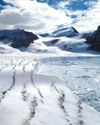
New map reveals secrets hidden under Antarctic ice
A new map of Antarctica has A revealed thousands of hills Are revealed thousands of hills and valleys buried under its thick layers of ice.
1 min
March 2026
The Week Junior Science+Nature UK
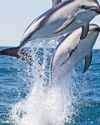
Why do dolphins jump out of the water?
Discover what makes these graceful ocean mammals leap for joy.
2 mins
March 2026
The Week Junior Science+Nature UK
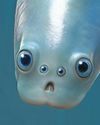
Ancient fish had four eves
Ancient vertebrates (animals that have backbones) had four eyes that worked a lot like ours, new research shows.
1 min
March 2026
The Week Junior Science+Nature UK
How? What? Why?
Set your curiosity free as Mike Rampton explains how asking questions changes the world.
5 mins
March 2026

The Week Junior Science+Nature UK
Bye-bye bitter grapefruits
Scientists have found a way to make grapefruits less bitter.
1 min
March 2026
The Week Junior Science+Nature UK
Spreading seeds of hope
Meet the scientists who are using drones to seed lost landscapes.
1 mins
March 2026
The Week Junior Science+Nature UK
Udderly brilliant cow seen using tools
A talented Austrian cow has shecked researchers by using both ends of a broom as a grooming tool.
1 min
March 2026
Listen
Translate
Change font size