Denemek ALTIN - Özgür
How? What? Why?
The Week Junior Science+Nature UK
|March 2026
Set your curiosity free as Mike Rampton explains how asking questions changes the world.
-
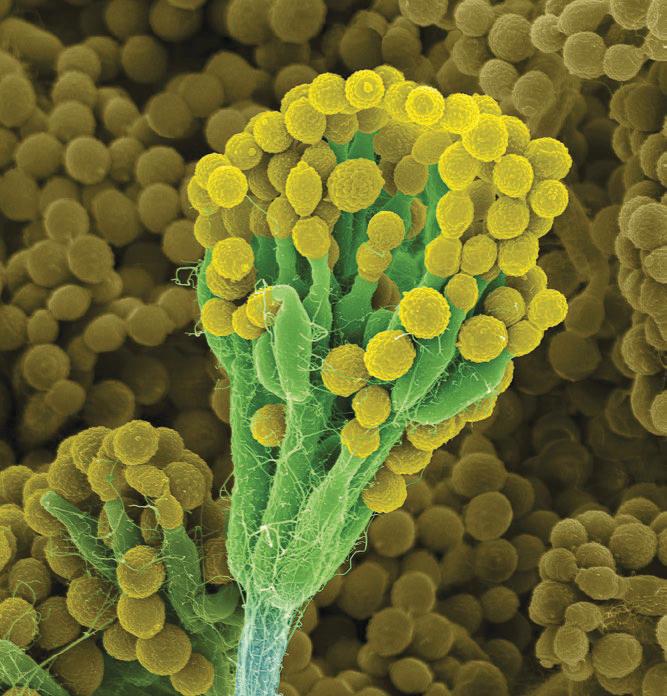
Magic words are generally only found in fairy tales, but the word "why" comes pretty close to being magical. It has changed the world countless times.
Every breakthrough and major achievement in human history has started with a question: a “Why?”, an “I wonder?”, a “What if?”, or “Shall we try?”. Every experiment and discovery starts with a question, sometimes as simple as “What is this?” or “What's over there?”
Often, the more you know about something, the more questions you have.
This might sound strange - surely if you know a lot you don't need to keep asking anything? However, asking questions is how everything important that humans ever learned happened. Starting off not knowing is pretty much the point.
Wonder mode: On
Curiosity is so important. It's how people get to know one another, figure things out and solve problems. Whether it's asking new friends about themselves, trying a new food or trying to tackle the biggest mysteries of existence, it all comes down to that same instinct of wanting to find out.
Two of the most important lifesaving developments came about from people thinking, "Hang on, what's going on here then?" In the late 18th century, the deadly disease smallpox killed huge numbers of people. A doctor named Edward Jenner heard a story that anyone who had caught a similar (but milder) illness called cowpox couldn't catch smallpox.
Intrigued by this, and curious about what was going on, he set about testing the idea. This led to the development of vaccines (medicines that train the body to fight disease using its own defences), which have saved millions of lives.

Bu hikaye The Week Junior Science+Nature UK dergisinin March 2026 baskısından alınmıştır.
Binlerce özenle seçilmiş premium hikayeye ve 9.000'den fazla dergi ve gazeteye erişmek için Magzter GOLD'a abone olun.
Zaten abone misiniz? Oturum aç
The Week Junior Science+Nature UK'den DAHA FAZLA HİKAYE
The Week Junior Science+Nature UK
ANIMAL ISLANDS
Hop aboard as Daisy Dobrijevic sets sail to discover the world's most unusual beasts.

5 mins
March 2026
The Week Junior Science+Nature UK
Wildlife watch
Take a walk on the wild side with Jenny Ackland.
1 mins
March 2026

The Week Junior Science+Nature UK
Pushmeet Kohli
Meet the tech genius who trains the smart computers that are changing your world.
3 mins
March 2026
The Week Junior Science+Nature UK
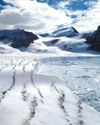
New map reveals secrets hidden under Antarctic ice
A new map of Antarctica has A revealed thousands of hills Are revealed thousands of hills and valleys buried under its thick layers of ice.
1 min
March 2026
The Week Junior Science+Nature UK
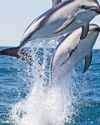
Why do dolphins jump out of the water?
Discover what makes these graceful ocean mammals leap for joy.
2 mins
March 2026
The Week Junior Science+Nature UK
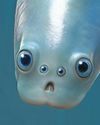
Ancient fish had four eves
Ancient vertebrates (animals that have backbones) had four eyes that worked a lot like ours, new research shows.
1 min
March 2026
The Week Junior Science+Nature UK
How? What? Why?
Set your curiosity free as Mike Rampton explains how asking questions changes the world.
5 mins
March 2026

The Week Junior Science+Nature UK
Bye-bye bitter grapefruits
Scientists have found a way to make grapefruits less bitter.
1 min
March 2026
The Week Junior Science+Nature UK
Spreading seeds of hope
Meet the scientists who are using drones to seed lost landscapes.
1 mins
March 2026
The Week Junior Science+Nature UK
Udderly brilliant cow seen using tools
A talented Austrian cow has shecked researchers by using both ends of a broom as a grooming tool.
1 min
March 2026
Listen
Translate
Change font size