Denemek ALTIN - Özgür
NEXT STOP: THE FUTURE
The Week Junior Science+Nature UK
|June 2025
All aboard as JD Savage takes the fast track through 200 years of train travel.
-
This year celebrates Railway 200 – two centuries since the first modern railway opened in the UK. This incredible story hits the rails in 1825, as the first train ran on north-east England's brand new Stockton & Darlington Railway. Engineer George Stephenson and his son Robert's engine Locomotion No.1 wasn't fast - it only travelled about 15 miles per hour - but it carried 450 passengers, as huge crowds gathered to watch the strange vehicle in action.
Rocketing ahead
Four years later, a competition was held to find the best engine for a new line between Liverpool and Manchester. The Stephensons entered their latest invention: the Rocket.
Thanks to clever engineering - including a boiler with 25 copper tubes, instead of just one or two - it won easily, reaching an amazing 36mph. Stephenson's Rocket set the standard for train tech. Steam engines would follow its basic layout for over a century. Meanwhile, the tracks themselves were getting an upgrade. Cast-iron rails, which cracked easily, were replaced by tougher wrought iron, and later steel rails.
 Sleek machines
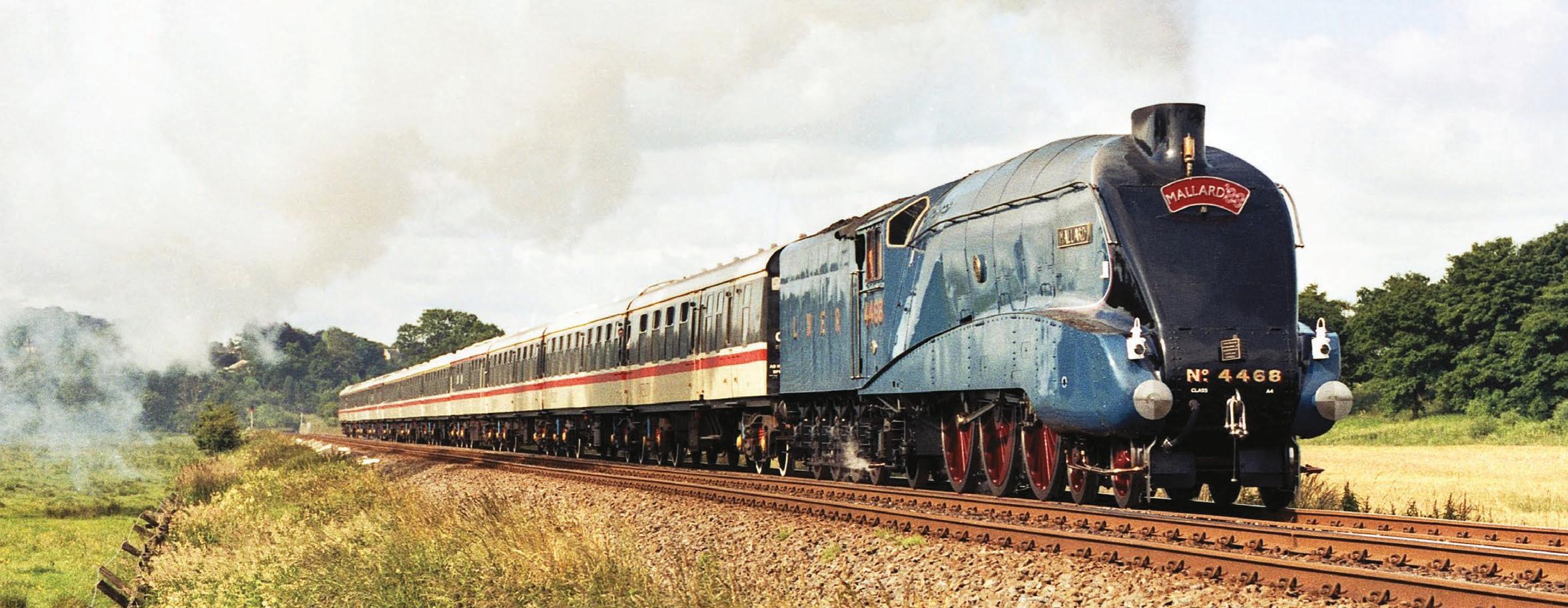
Steam trains rapidly increased in size and power, and 100 years after Stephenson's Rocket, they also became much faster. One of the most famous speedsters was Mallard, built in 1938 by British engineer Sir Nigel Gresley. It had a smooth, streamlined shape, which was tested inside a wind tunnel to reduce drag caused by air resistance. Mallard sliced through the air at top speed, driven by three powerful cylinders (the power units in a steam engine), rather than the usual two. It also sported a more efficient "blastpipe" exhaust system that sucked smoke and steam out of the engine, drawing air through the burning coal and making the fire burn hotter.

Bu hikaye The Week Junior Science+Nature UK dergisinin June 2025 baskısından alınmıştır.
Binlerce özenle seçilmiş premium hikayeye ve 9.000'den fazla dergi ve gazeteye erişmek için Magzter GOLD'a abone olun.
Zaten abone misiniz? Oturum aç
The Week Junior Science+Nature UK'den DAHA FAZLA HİKAYE

The Week Junior Science+Nature UK
ANIMAL ISLANDS
Hop aboard as Daisy Dobrijevic sets sail to discover the world's most unusual beasts.

5 mins
March 2026
The Week Junior Science+Nature UK
Wildlife watch
Take a walk on the wild side with Jenny Ackland.
1 mins
March 2026

The Week Junior Science+Nature UK
Pushmeet Kohli
Meet the tech genius who trains the smart computers that are changing your world.
3 mins
March 2026

The Week Junior Science+Nature UK
New map reveals secrets hidden under Antarctic ice
A new map of Antarctica has A revealed thousands of hills Are revealed thousands of hills and valleys buried under its thick layers of ice.
1 min
March 2026
The Week Junior Science+Nature UK
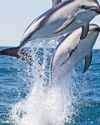
Why do dolphins jump out of the water?
Discover what makes these graceful ocean mammals leap for joy.
2 mins
March 2026
The Week Junior Science+Nature UK
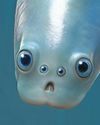
Ancient fish had four eves
Ancient vertebrates (animals that have backbones) had four eyes that worked a lot like ours, new research shows.
1 min
March 2026

The Week Junior Science+Nature UK
How? What? Why?
Set your curiosity free as Mike Rampton explains how asking questions changes the world.
5 mins
March 2026

The Week Junior Science+Nature UK
Bye-bye bitter grapefruits
Scientists have found a way to make grapefruits less bitter.
1 min
March 2026
The Week Junior Science+Nature UK
Spreading seeds of hope
Meet the scientists who are using drones to seed lost landscapes.
1 mins
March 2026
The Week Junior Science+Nature UK
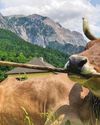
Udderly brilliant cow seen using tools
A talented Austrian cow has shecked researchers by using both ends of a broom as a grooming tool.
1 min
March 2026
Listen
Translate
Change font size