
Magzter GOLD ile Sınırsız Olun
Sadece 9.000'den fazla dergi, gazete ve Premium hikayeye sınırsız erişim elde edin
Denemek ALTIN - Özgür
Loch Ness Monster
The Week Junior Science+Nature UK
|February 2025
Can new studies of Loch Ness finally unlock the secrets of Nessie?
-
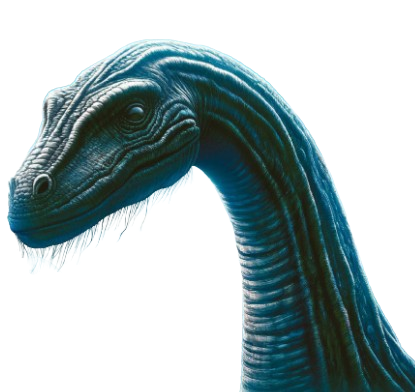
The story of a mysterious monster living in a Scottish loch (lake) has been making waves since it first emerged in 1933. For nearly a century, it has captured the imagination of locals, tourists, and researchers. There are more than 1,000 reports and even a handful of photographs showing large shadowy figures living in the water. People call this creature the Loch Ness Monster, or "Nessie" and the iconic legend is Scotland's most famous mystery.
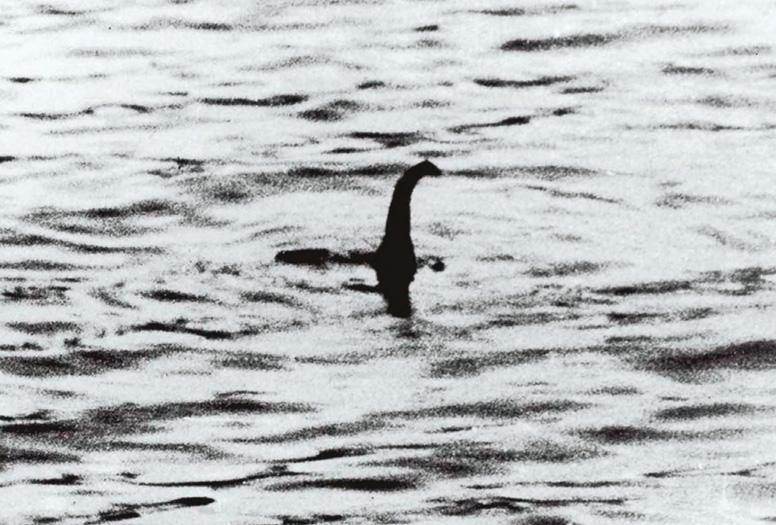 Prehistoric origins
There are many theories of what Nessie could be. Some think it might be a prehistoric plesiosaur (marine reptile) that survived extinction, while others believe the sightings might simply be other animals, such as large fish or eels.
The loch itself adds to the mystery. At more than 230 metres deep in places and 23 miles long, it contains more fresh water than all the lakes in England and Wales combined. Its remote location makes research difficult and its dark, muddy waters make visibility extremely poor.
Real-life sea monster

Bu hikaye The Week Junior Science+Nature UK dergisinin February 2025 baskısından alınmıştır.
Binlerce özenle seçilmiş premium hikayeye ve 9.000'den fazla dergi ve gazeteye erişmek için Magzter GOLD'a abone olun.
Zaten abone misiniz? Oturum aç
The Week Junior Science+Nature UK'den DAHA FAZLA HİKAYE
The Week Junior Science+Nature UK
ANIMAL ISLANDS
Hop aboard as Daisy Dobrijevic sets sail to discover the world's most unusual beasts.

5 mins
March 2026

The Week Junior Science+Nature UK
Wildlife watch
Take a walk on the wild side with Jenny Ackland.
1 mins
March 2026

The Week Junior Science+Nature UK
Pushmeet Kohli
Meet the tech genius who trains the smart computers that are changing your world.
3 mins
March 2026

The Week Junior Science+Nature UK
New map reveals secrets hidden under Antarctic ice
A new map of Antarctica has A revealed thousands of hills Are revealed thousands of hills and valleys buried under its thick layers of ice.
1 min
March 2026

The Week Junior Science+Nature UK
Why do dolphins jump out of the water?
Discover what makes these graceful ocean mammals leap for joy.
2 mins
March 2026
The Week Junior Science+Nature UK
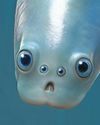
Ancient fish had four eves
Ancient vertebrates (animals that have backbones) had four eyes that worked a lot like ours, new research shows.
1 min
March 2026

The Week Junior Science+Nature UK
How? What? Why?
Set your curiosity free as Mike Rampton explains how asking questions changes the world.
5 mins
March 2026

The Week Junior Science+Nature UK
Bye-bye bitter grapefruits
Scientists have found a way to make grapefruits less bitter.
1 min
March 2026
The Week Junior Science+Nature UK
Spreading seeds of hope
Meet the scientists who are using drones to seed lost landscapes.
1 mins
March 2026
The Week Junior Science+Nature UK
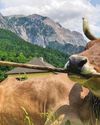
Udderly brilliant cow seen using tools
A talented Austrian cow has shecked researchers by using both ends of a broom as a grooming tool.
1 min
March 2026
Listen
Translate
Change font size