Denemek ALTIN - Özgür
The Myth of the Designer Baby
Scientific American
|December 2025
Parents beware of any genomics firm saying it can help them with “genetic optimization” of their embryos
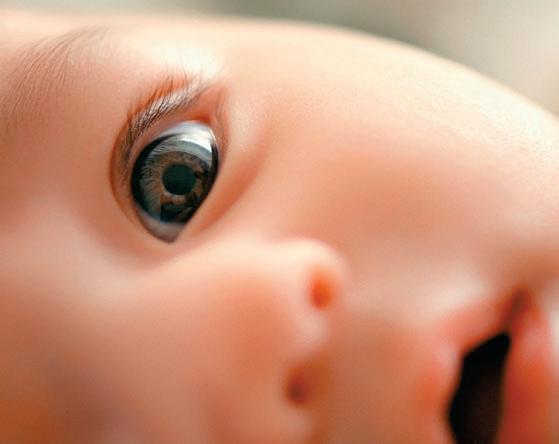
AN UNDERSTANDABLE ethics outcry greeted the June 2025 announcement of a software platform offering aspiring parents “genetic optimization” of their embryos. Touted by Kian Sadeghi, CEO of software maker Nucleus Genomics, the Nucleus Embryo service, costing thousands of dollars, promised optimization of traits such as inherited risk of heart disease and cancer, as well as intelligence, longevity and hair color. The company offered an analysis for left-handedness, lumping it in with aspects of “body and physical health” such as chronic pain. It also promised to weed out things that predispose someone to becoming an alcoholic.
That left one commentator, a venture capitalist, feeling “nauseous.” Critics worried that such a process “treats children as marketable goods.” More than one reference to “designer babies” and “eugenics” naturally followed. “The Gattaca Future Is Here,” read one headline, referencing the 1997 science-fiction film Gattaca, which imagines a dystopian future where genetically engineered “Valids” reign supreme over the “In-Valids” who were conceived the old-fashioned way.
As professional bioethicists, we would have those same concerns—if Nucleus Embryo actually did what it claims. But it doesn’t. The cinematic analogy to Nucleus Embryo isn’t Gattaca. It’s The Dropout—the 2022 miniseries about the rise and fall of Elizabeth Holmes and her blood-testing company, Theranos.
To be clear, there’s no sign that Nucleus Genomics has engaged in the kind of intentional deception that marked Theranos, but there are striking parallels. Like Holmes, Sadeghi dropped out of a prestigious university to start his own biotech company, wooing enough Silicon Valley investors to launch his start-up.

Bu hikaye Scientific American dergisinin December 2025 baskısından alınmıştır.
Binlerce özenle seçilmiş premium hikayeye ve 9.000'den fazla dergi ve gazeteye erişmek için Magzter GOLD'a abone olun.
Zaten abone misiniz? Oturum aç
Scientific American'den DAHA FAZLA HİKAYE
Scientific American
Flashes in the Night
Celestial transients shine furiously and briefly. Astronomers are just beginning to understand them.

13 mins
January 2026

Scientific American
The Imperiled Orcas of the Salish Sea
The southern resident killer whales are on the brink. Now the scientists who study them are, too
17 mins
January 2026
Scientific American
The Reptile Sexpocalypse
The sex of many turtles, crocodilians, and other reptiles is determined by the temperature at which their eggs incubate. Global warming could doom them
11 mins
January 2026

Scientific American
A Suite of Killers
Heart ailments, kidney diseases and type 2 diabetes actually may be part of just one condition. It's called CKM syndrome
10 mins
January 2026
Scientific American
A Good Night's Sleep
Psychological data and brain scans show all the ways sleep can improve our lives, our bodies and our relationships
1 mins
January 2026
Scientific American
Behind the Nobel
A 2025 winner reflects on the mysterious T cells that won him the prize
5 mins
January 2026
Scientific American
Cable Quakes
Fiber optics that connect the world can detect its earthquakes, too
2 mins
January 2026
Scientific American
Inside Asteroid Family Trees
Asteroid origins can be hard to trace
4 mins
January 2026
Scientific American
Think Again
Chimpanzees can weigh evidence and update their beliefs like humans do.
3 mins
January 2026
Scientific American
Cracking the World's Most Famous Code
Solving the CIA's Kryptos puzzle took three parts math and one part sleuthing
6 mins
January 2026
Listen
Translate
Change font size