Denemek ALTIN - Özgür
HOW TO PICK A POPE
How It Works UK
|Issue 204
Follow the Vatican's journey to appoint the next direct successor of Saint Peter
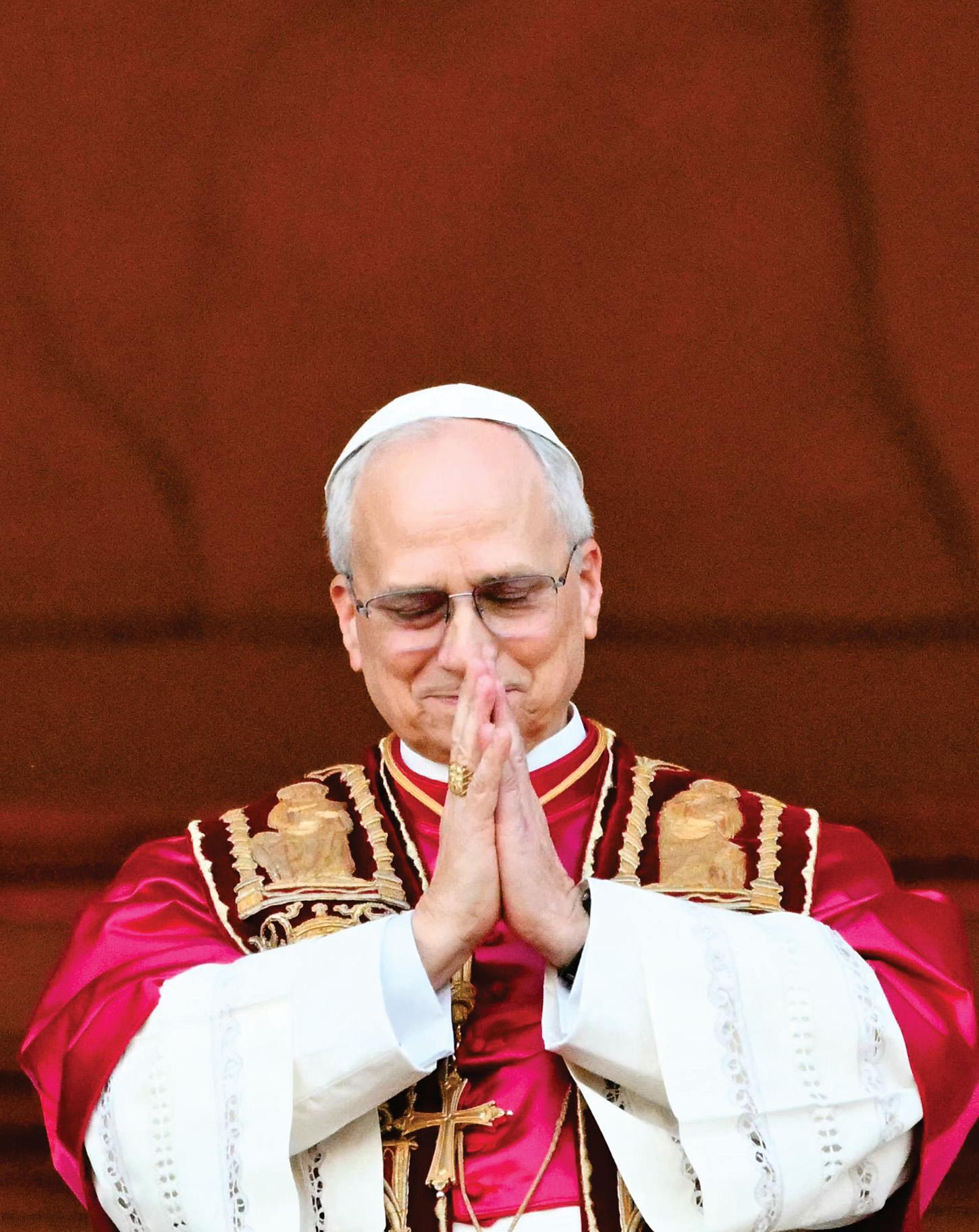
For 12 years, Pope Francis, previously known as Jorge Mario Bergoglio, sat at the head of the Catholic Church. However, following a stroke, the pontiff experienced heart failure and passed away on 21 April 2025. Along with global mourning, the death of the well-respected pope triggered the start of a long-held voting process known as a conclave. Within the Catholic Church, there are high-ranking clergy members, typically made up of bishops or archbishops, who advise the pope. These members are known as cardinals. There are currently 252 cardinals from 90 different countries. Along with being advisors to the pontiff, cardinals are the electing body for the next pope. However, only 135 of those cardinals were technically eligible to vote. Reforms to the election process by Pope Paul VI in 1970 dictate that cardinals who are 80 years old or over are ineligible to vote. In the case of the 2025 papal election, only 133 cardinals were able to vote, as two members were unable to travel to the Vatican City due to health reasons.
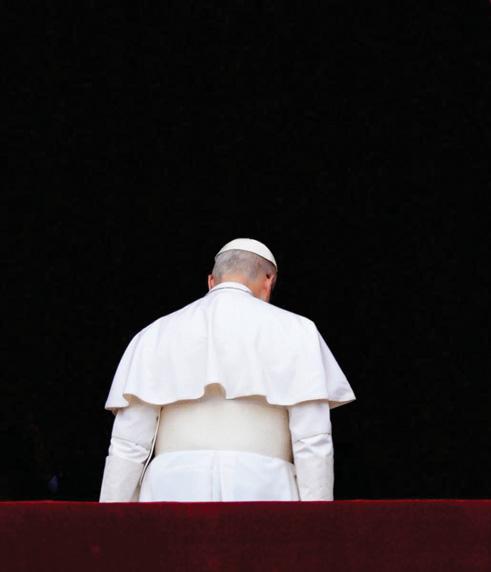
All eligible cardinals gather at the Sistine Chapel in the Vatican City before the doors are locked, and they remain there until a new pope is elected. Cut off from the outside world, each cardinal casts their vote one by one. Typically, the candidates for the next pope will be chosen from one of the voting cardinals. However, on some extremely rare occasions, a pope has been chosen from outside a conclave. The last time a pope was appointed without first being a cardinal occurred in 1378, when Italian priest Pope Urban VI was elected.


Bu hikaye How It Works UK dergisinin Issue 204 baskısından alınmıştır.
Binlerce özenle seçilmiş premium hikayeye ve 9.000'den fazla dergi ve gazeteye erişmek için Magzter GOLD'a abone olun.
Zaten abone misiniz? Oturum aç
How It Works UK'den DAHA FAZLA HİKAYE

How It Works UK
FORMULA FAST
YOUR ULTIMATE GUIDE TO FORMULA ONE RACING

1 mins
Issue 212
How It Works UK
MY LIFE AS AN ASTHMANAUT
A CHILDREN'S BOOK ABOUT ASTHMA
1 min
Issue 212

How It Works UK
LYDIA LOVES BUGS
A SHORT AND SWEET STORY OF AN ENTHUSIASTIC ENTOMOLOGIST
1 min
Issue 212

How It Works UK
INSIDE A DRONE
Drones aren't just for the military any more. These flying marvels are now taking over our lives
3 mins
Issue 212

How It Works UK
WE CAN HEAR WITHOUT EARS
AND OTHER THINGS YOU DIDN'T KNOW WE PLANTS COULD DO
1 min
Issue 212

How It Works UK
DO GEESE GET GOOSEBUMPS?
Many animals experience a similar reaction when they feel cold or scared
2 mins
Issue 212
How It Works UK
SUBMARINES WITHOUT SAILORS
Dive into the world of autonomous submarines and discover the mission that will see one sail around the world
4 mins
Issue 212
How It Works UK
WHAT HAPPENS INSIDE A COCOON?
How certain species of insects transform from crawling caterpillars to flying moths and butterflies
3 mins
Issue 212

How It Works UK
HOW THE ROSE LOST ITS SCENT
From floral to fragranceless, there's a biological reason behind a rose's missing odour today
3 mins
Issue 212
How It Works UK
How many insects have been discovered so far?
The total number of named species is around a million.
7 mins
Issue 212
Listen
Translate
Change font size