Denemek ALTIN - Özgür
WHAT HAPPENS INSIDE A COCOON?
How It Works UK
|Issue 212
How certain species of insects transform from crawling caterpillars to flying moths and butterflies
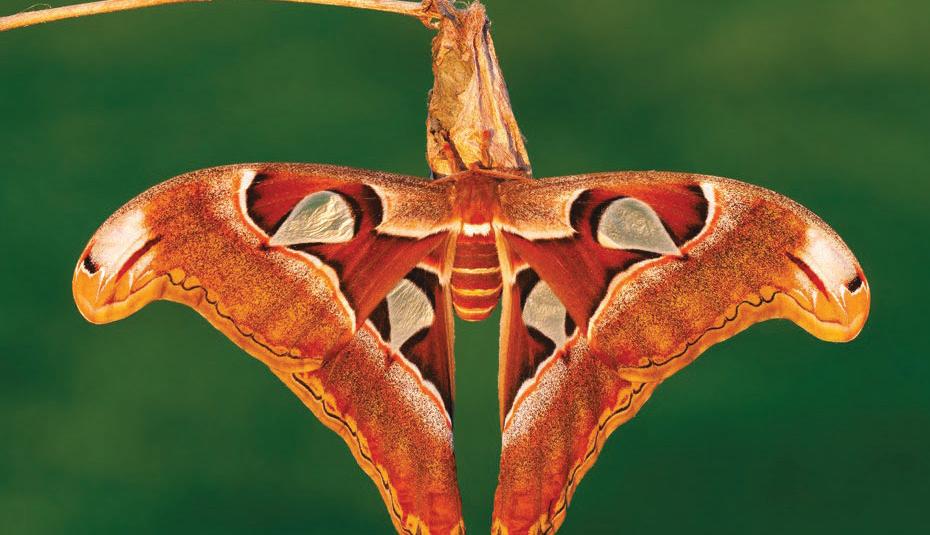
When a caterpillar is ready to finish crawling around and take flight with a new pair of wings, it embarks on a journey of transformation called metamorphosis. The process sees the once squishy, undulating body of a caterpillar (the larval stage of the order Lepidoptera, which includes the world's butterflies, moths and skippers) swapped out for the winged body of its adult form. It takes several weeks, and in some cases months, for some species of butterflies and moths to complete the transformation, known as holometabolous metamorphosis. This form of metamorphosis has four distinct stages in the insect's life cycle, including the egg, larva, pupa and adult stage. Hemimetabolous metamorphosis, on the other hand, is an incomplete or partial metamorphosis, whereby an insect, such as a dragonfly, will undergo a series of exoskeleton sheddings, called moults, to transform from juvenile nymph to winged adult.
The all-important pupa stage in a butterfly or moth's life cycle is where they undergo the greatest physical transformation. For moths, caterpillars secrete a liquid silk to wrap around their bodies to undergo the process of pupation. Butterfly caterpillars, however, do things slightly differently. They only spin a small silk pad, which they hang themselves from. While they hang, these caterpillars will shed their skin and grow a hardened shell called a chrysalis, inside which their bodies undergo pupation.

Bu hikaye How It Works UK dergisinin Issue 212 baskısından alınmıştır.
Binlerce özenle seçilmiş premium hikayeye ve 9.000'den fazla dergi ve gazeteye erişmek için Magzter GOLD'a abone olun.
Zaten abone misiniz? Oturum aç
How It Works UK'den DAHA FAZLA HİKAYE

How It Works UK
FORMULA FAST
YOUR ULTIMATE GUIDE TO FORMULA ONE RACING

1 mins
Issue 212
How It Works UK
MY LIFE AS AN ASTHMANAUT
A CHILDREN'S BOOK ABOUT ASTHMA
1 min
Issue 212

How It Works UK
LYDIA LOVES BUGS
A SHORT AND SWEET STORY OF AN ENTHUSIASTIC ENTOMOLOGIST
1 min
Issue 212
How It Works UK
INSIDE A DRONE
Drones aren't just for the military any more. These flying marvels are now taking over our lives
3 mins
Issue 212
How It Works UK
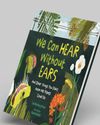
WE CAN HEAR WITHOUT EARS
AND OTHER THINGS YOU DIDN'T KNOW WE PLANTS COULD DO
1 min
Issue 212
How It Works UK
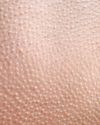
DO GEESE GET GOOSEBUMPS?
Many animals experience a similar reaction when they feel cold or scared
2 mins
Issue 212
How It Works UK
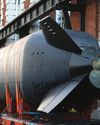
SUBMARINES WITHOUT SAILORS
Dive into the world of autonomous submarines and discover the mission that will see one sail around the world
4 mins
Issue 212
How It Works UK
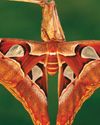
WHAT HAPPENS INSIDE A COCOON?
How certain species of insects transform from crawling caterpillars to flying moths and butterflies
3 mins
Issue 212

How It Works UK
HOW THE ROSE LOST ITS SCENT
From floral to fragranceless, there's a biological reason behind a rose's missing odour today
3 mins
Issue 212
How It Works UK
How many insects have been discovered so far?
The total number of named species is around a million.
7 mins
Issue 212
Listen
Translate
Change font size