Denemek ALTIN - Özgür
Invisibilised localities
Down To Earth
|March 16, 2025
AN ETHNOGRAPHIC STUDY ON THE NETWORKS, CULTURAL TRADITIONS AND OBSTACLES FACED BY RESIDENTS OF JHUGGIS AND TRANSIT CAMPS WHILE DEALING WITH EVICTION POLITICS AND INEQUALITIES IN DELHI
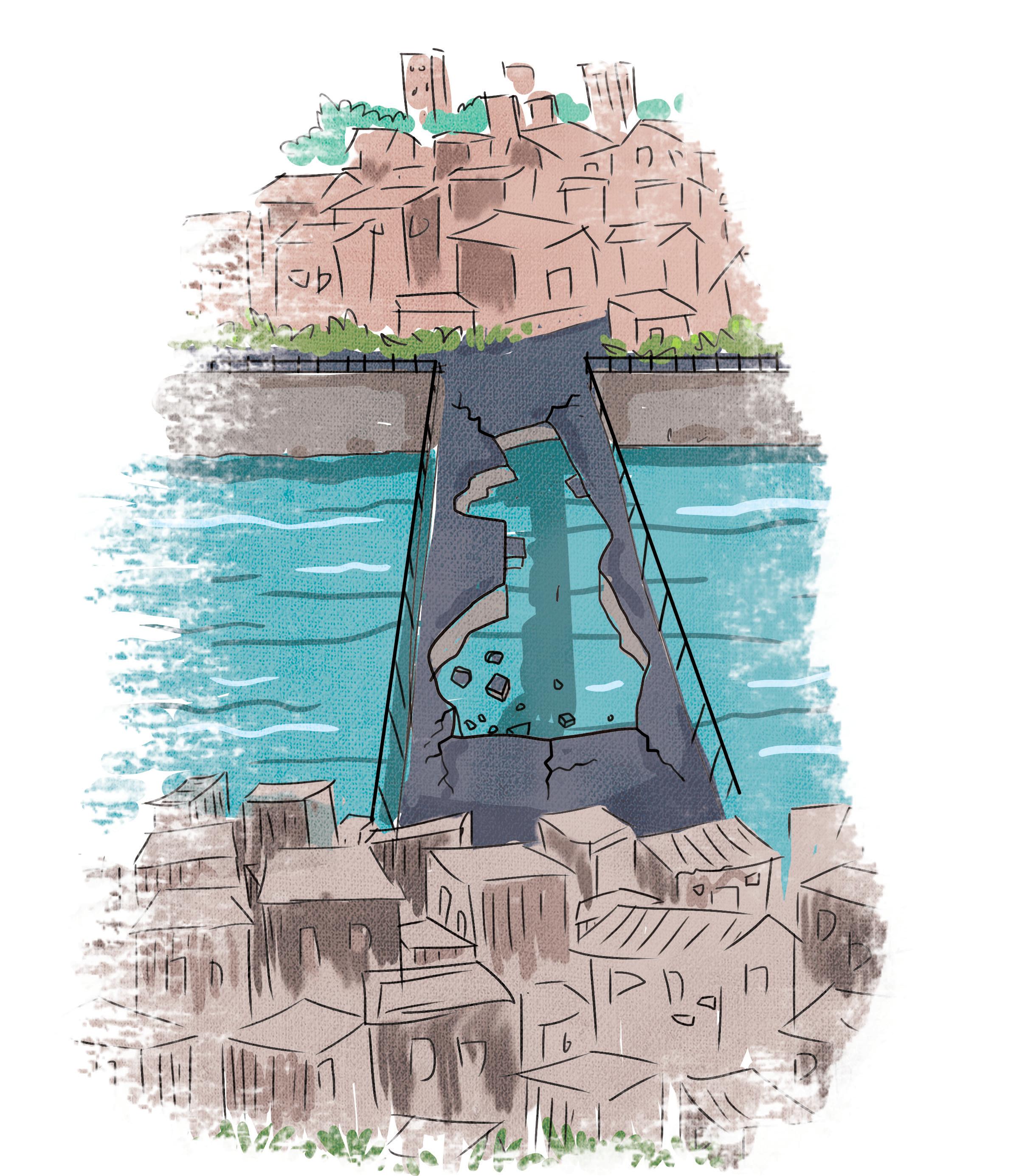
What kinds of challenges do residents of jhuggis, resettlement colonies and transit camps encounter when they deal with displacement, seek essential services, obtain government documentation, engage in legal disputes and strive to make their voices heard? The Right to be Counted is Sanjeev Routray's extensive ethnographic study on the networks, performances, cultural traditions and obstacles that such residents face in Delhi.
The book is structured into two parts. The first part establishes the context—the city-planning practices, which are immersed in informalities, arbitrariness, discrimination and violent demolitions. The second part offers a detailed account of the different types of intermediaries that connect the residents with politicians and government offices.
The author scrutinises the planning processes in Delhi, uncovering a landscape riddled with informal structures and networks, where political interference is an inevitable reality. The “planned city” bears the perception of resettlements being temporary. New projects are carried out, ignoring established planning norms, to accommodate international events, promote tourism and craft a world-class image for the city. Government offices and officials in Delhi disregard people living in jhuggis or resettlement areas. But not all illegal structures share the same fate. While temples and parks built illegally are formalised by dint of religious or cultural relevance, the affiliation of an average resident to the informal settlement must rely on political clientelism to avoid eviction.

Bu hikaye Down To Earth dergisinin March 16, 2025 baskısından alınmıştır.
Binlerce özenle seçilmiş premium hikayeye ve 9.000'den fazla dergi ve gazeteye erişmek için Magzter GOLD'a abone olun.
Zaten abone misiniz? Oturum aç
Down To Earth'den DAHA FAZLA HİKAYE

Down To Earth
BEYOND COLLATERAL DAMAGE
Recent geopolitical conflicts are urging a reconsideration of what constitutes environmental harm in war and the limits of existing legal frameworks

3 mins
April 01, 2026
Down To Earth
Masterstroke
Residents of a small Kerala town reject an inadequate state-led development blueprint and create their own master plan that prioritises protection of historic water systems and urban commons
4 mins
April 01, 2026

Down To Earth
Rethinking E20
It is pertinent to explore potential of ethanol as high-value industrial feedstock
4 mins
April 01, 2026
Down To Earth
Food in the age of climate change
WHEN WE eat, we contribute to climate change. But food is also about livelihoods, about nutrition and about nature.
3 mins
April 01, 2026

Down To Earth
FADING WINTER
India's winters are warming, becoming shorter, shifting and spilling beyond their traditional bounds. The consequences are already evident in meltwater availability, forest-fire intensity and changes in flowering cycles and insect behaviour.
20 mins
April 01, 2026

Down To Earth
War on Iran strikes India's pharmaceuticals sector
Shortages of critical raw materials and rising input costs for the drug industry will have global consequences
4 mins
April 01, 2026

Down To Earth
POWER IN AN AGE OF INSECURITY
Energy transition is no longer solely about emission reduction but also about energy security
3 mins
April 01, 2026
Down To Earth
Re-discovery of fuelwood
THE WEST Asia conflict has made visible a multi-billion dollar energy market in India.
2 mins
April 01, 2026

Down To Earth
A CASE THAT RESHAPED INDIA'S ENVIRONMENT
The case of MC Mehta v Union of India stands as proof that a proactive judiciary can accelerate action even when the executive drags its feet
4 mins
April 01, 2026
Down To Earth
FOREVER DEPENDENT
India depends on global fertiliser supply chains for 70 per cent of its needs, leaving its food security exposed to geopolitical disruptions
6 mins
April 01, 2026
Listen
Translate
Change font size