Versuchen GOLD - Frei
Invisibilised localities
Down To Earth
|March 16, 2025
AN ETHNOGRAPHIC STUDY ON THE NETWORKS, CULTURAL TRADITIONS AND OBSTACLES FACED BY RESIDENTS OF JHUGGIS AND TRANSIT CAMPS WHILE DEALING WITH EVICTION POLITICS AND INEQUALITIES IN DELHI
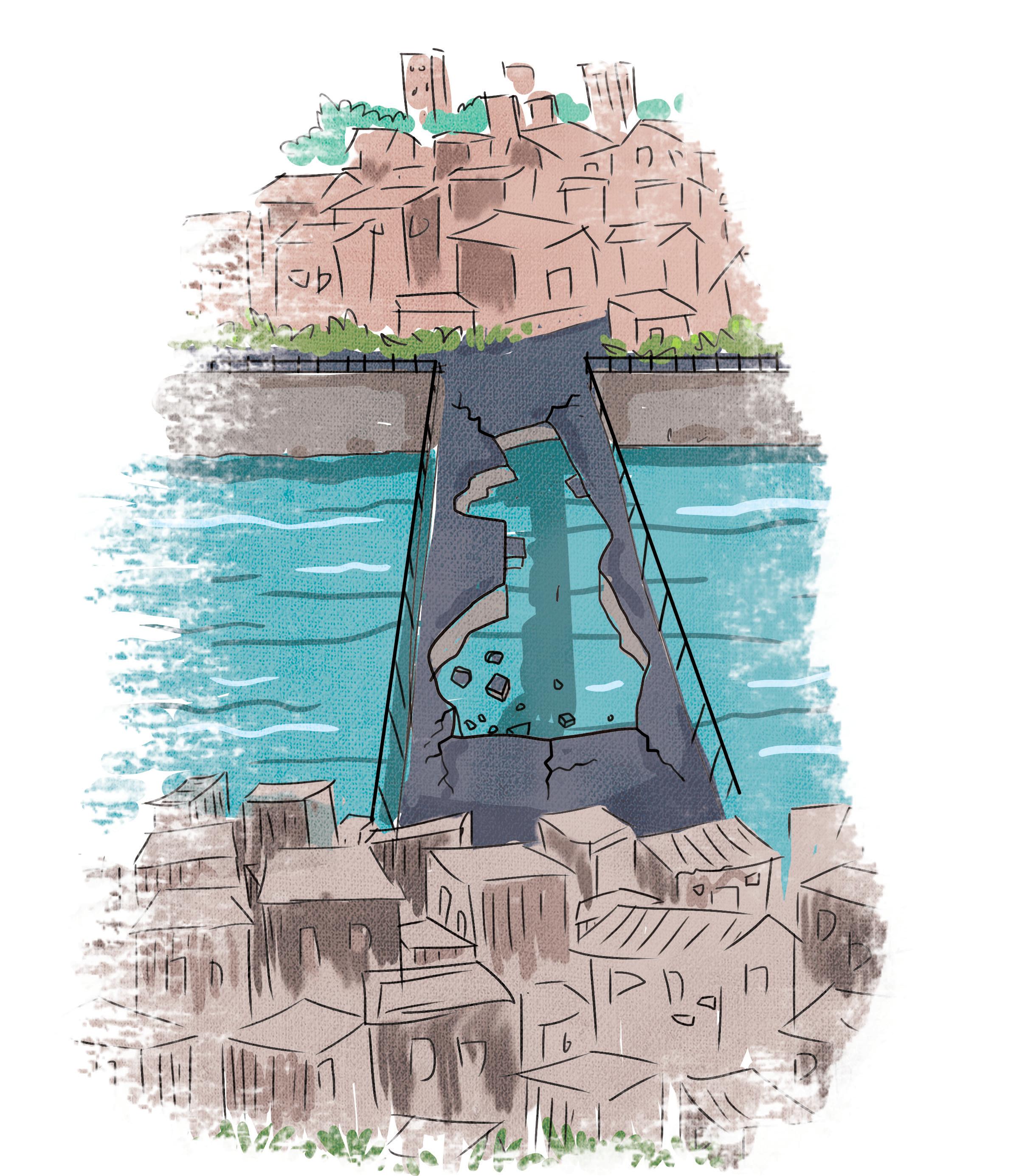
What kinds of challenges do residents of jhuggis, resettlement colonies and transit camps encounter when they deal with displacement, seek essential services, obtain government documentation, engage in legal disputes and strive to make their voices heard? The Right to be Counted is Sanjeev Routray's extensive ethnographic study on the networks, performances, cultural traditions and obstacles that such residents face in Delhi.
The book is structured into two parts. The first part establishes the context—the city-planning practices, which are immersed in informalities, arbitrariness, discrimination and violent demolitions. The second part offers a detailed account of the different types of intermediaries that connect the residents with politicians and government offices.
The author scrutinises the planning processes in Delhi, uncovering a landscape riddled with informal structures and networks, where political interference is an inevitable reality. The “planned city” bears the perception of resettlements being temporary. New projects are carried out, ignoring established planning norms, to accommodate international events, promote tourism and craft a world-class image for the city. Government offices and officials in Delhi disregard people living in jhuggis or resettlement areas. But not all illegal structures share the same fate. While temples and parks built illegally are formalised by dint of religious or cultural relevance, the affiliation of an average resident to the informal settlement must rely on political clientelism to avoid eviction.


Diese Geschichte stammt aus der March 16, 2025-Ausgabe von Down To Earth.
Abonnieren Sie Magzter GOLD, um auf Tausende kuratierter Premium-Geschichten und über 9.000 Zeitschriften und Zeitungen zuzugreifen.
Sie sind bereits Abonnent? Anmelden
WEITERE GESCHICHTEN VON Down To Earth
Down To Earth
THINK TWICE BEFORE FELLING SAL TREES
Many trees considered to be affected by sal borer in the 1990s are still alive today

1 mins
February 16, 2026
Down To Earth
EDGE OF SURVIVAL
Caste divides deny marginalised communities land, resources and essential aid, leaving them more vulnerable to climate disasters
6 mins
February 16, 2026

Down To Earth
A WISH LIST?
Union Budget for 2026-27 conveys the impression of a roll-call of intentions and ambitious proposals, with little detail on their formulation
6 mins
February 16, 2026
Down To Earth
Break down the gender wall
THE RULING National Democratic Alliance (NDA) government has been heavily invested in the goal to make India a developed economy by 2047.
2 mins
February 16, 2026

Down To Earth
MENSTRUAL HEALTH, NOW A FUNDAMENTAL RIGHT
In a landmark judgement, the Supreme Court has recognised menstrual health and hygiene as a fundamental right under Article 21 of the Constitution of India, which guarantees the right to life and dignity.
8 mins
February 16, 2026

Down To Earth
Of devolution and new disasters
The 16th Finance Commission pushes for changes in view of new fiscal and climatic conditions
11 mins
February 16, 2026
Down To Earth
Rising risks of plastics
NEGATIVE IMPACTS on human health due to emissions linked to the plastic lifecycle could double by 2040, according to a study published in The Lancet Planetary Health in January.
1 min
February 16, 2026
Down To Earth
GAP BETWEEN EPIDEMICS NARROWING
A watershed-based and landscape-level approach is needed to address forest degradation
2 mins
February 16, 2026
Down To Earth
WAITING TO STRIKE
Sal heartwood borer is considered the biggest threat to forestry in India, especially to the sal tree, where it lives and breeds.
11 mins
February 16, 2026

Down To Earth
A SPRING DELIGHT
Mustard flowers are not meant only for the eyes. Invite them to your plate once in a while
3 mins
February 16, 2026
Listen
Translate
Change font size