Denemek ALTIN - Özgür
Hearing the cosmos
BBC Sky at Night Magazine
|January 2026
Space isn't silent. What happens when we listen to the Universe as well as look? Paul Fisher Cockburn explores how sonification - turning data into sound unlocks new ways for us to understand the cosmos.
-
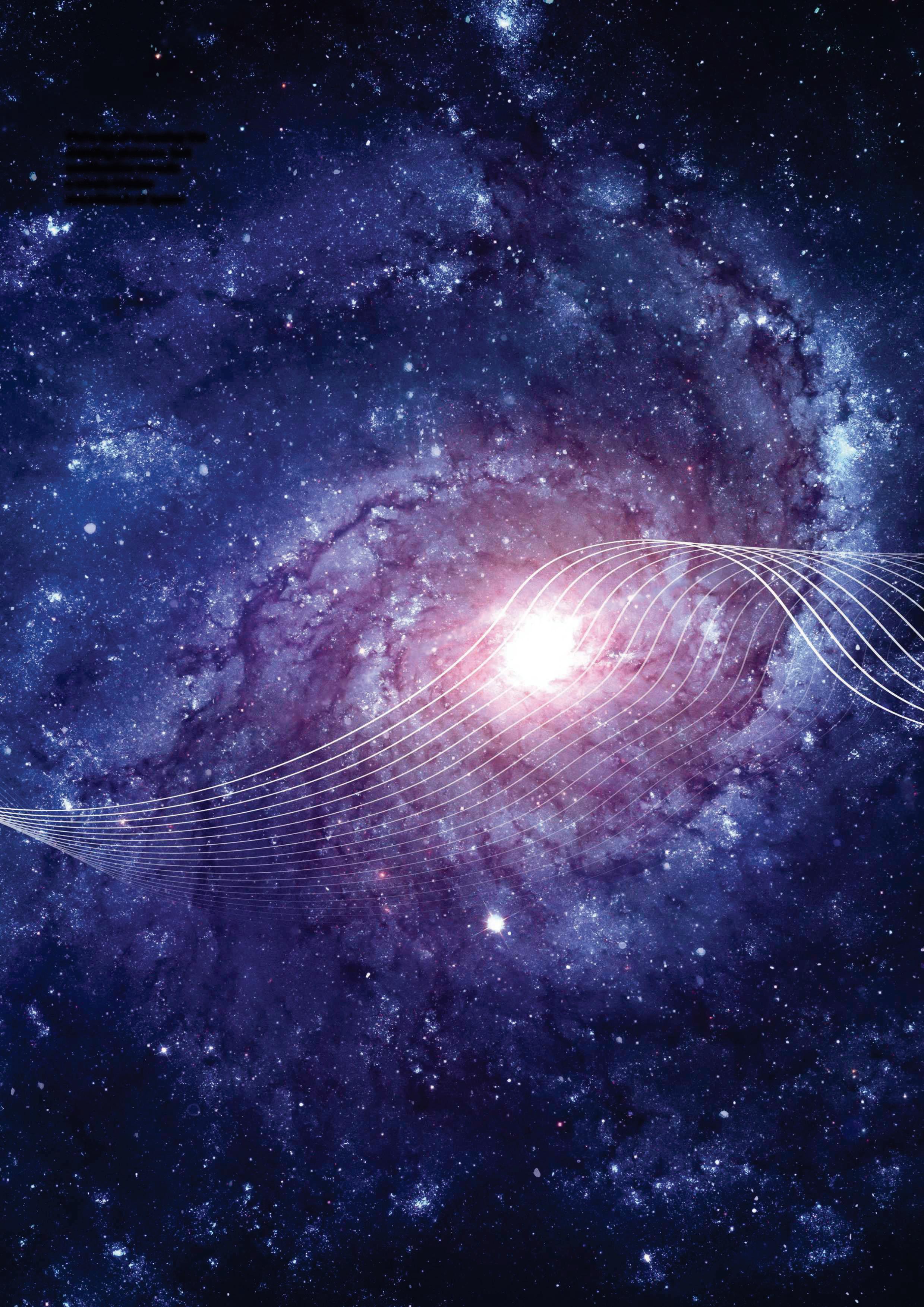
Movie posters for the classic 1979 horror film Alien warned us: "In space no one can hear you scream." And while it's true that sound can't travel through a vacuum, it doesn't follow that the Universe is quiet - or that we can't learn a lot by keeping our ears open. In fact, listening in to the mysteries of the cosmos gives us new insights that our eyes can't reveal. That's why in October 2025, scientists from around the world, and across several different disciplines, met at a workshop hosted by New York's research-focused Flatiron Institute. Titled 'Sonification for Research: Techniques, Efficacy, and Applications (SoniTEA)', its aim was to push forward the practice of sonification - using sound to represent data, especially as a research tool.
One of the workshop's organisers was Michael Petersen, currently a Stephen Hawking Fellow based at the University of Edinburgh. "We're just so used to interpreting things with our eyes - graphs, figures and images - that we've kind of developed a habit of not doing it with our ears," he says. As he points out, though, listening for information is something we have been doing, in certain situations, for more than A century. One early example of sonification technology is the Geiger-Müller counter. Who isn't familiar with the eerie clicks used to represent the dangerous ionising radiation it's detecting?
Petersen is understandably enthusiastic about the potential of sonification, but accepts not everyone has the same goal. “For the most part, people aren't looking to replace visuals with sound,” he explains. “You do want sonification to be a complete data representation without sight, because that ticks the accessibility boxes - that's very important. But I think you should be approaching it in an augmented way, not as a pure replacement.”

Bu hikaye BBC Sky at Night Magazine dergisinin January 2026 baskısından alınmıştır.
Binlerce özenle seçilmiş premium hikayeye ve 9.000'den fazla dergi ve gazeteye erişmek için Magzter GOLD'a abone olun.
Zaten abone misiniz? Oturum aç
BBC Sky at Night Magazine'den DAHA FAZLA HİKAYE
BBC Sky at Night Magazine
MOONWATCH
January's top lunar feature to observe

2 mins
January 2026
BBC Sky at Night Magazine
Speed up your processing workflow
How to use Photoshop's Actions tool to drastically cut your processing time
3 mins
January 2026
BBC Sky at Night Magazine
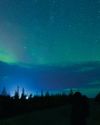
Chasing Canada's polar lights
With solar maximum peaking and a new Moon promising dark skies, Jamie Carter travels to Churchill, Manitoba to hunt the Northern Lights - and dodge polar bears – in Canada's far north
7 mins
January 2026
BBC Sky at Night Magazine
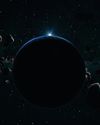
Beyond Pluto: The search for the hidden planets
Could one – or even two - undiscovered planets lurk at the edges of our Solar System? Nicky Jenner explores how close we are to finding the elusive 'Planet 9'
6 mins
January 2026
BBC Sky at Night Magazine
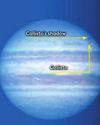
Jupiter moon events
Jupiter is a magnificent planet to observe.
2 mins
January 2026

BBC Sky at Night Magazine
What samples from space have taught us
Alastair Gunn explains what scientists have learnt in the 20 years since the first unmanned mission brought materials back from alien worlds
3 mins
January 2026
BBC Sky at Night Magazine
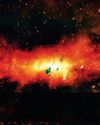
The Milky Way as you've never seen it before
This is the largest low-frequency radio colour image of our Galaxy ever assembled
1 min
January 2026
BBC Sky at Night Magazine
Merger of ‘impossibly' massive black holes explained
Scientists discover how enormous, fast-spinning black holes can exist after all
1 mins
January 2026
BBC Sky at Night Magazine
Lunar occultation of the Pleiades
BEST TIME TO SEE: 27 January from 20:30 UT
1 min
January 2026
BBC Sky at Night Magazine
The Universe's expansion may be slowing down
New study suggests current theories of dark energy could be wrong
1 mins
January 2026
Listen
Translate
Change font size