
Magzter GOLD ile Sınırsız Olun
Sadece 9.000'den fazla dergi, gazete ve Premium hikayeye sınırsız erişim elde edin
Denemek ALTIN - Özgür
These vibrating vests bring music to life for deaf gig-goers
BBC Science Focus
|November 2023
Haptic tech is making music accessible to people with impaired hearing
-
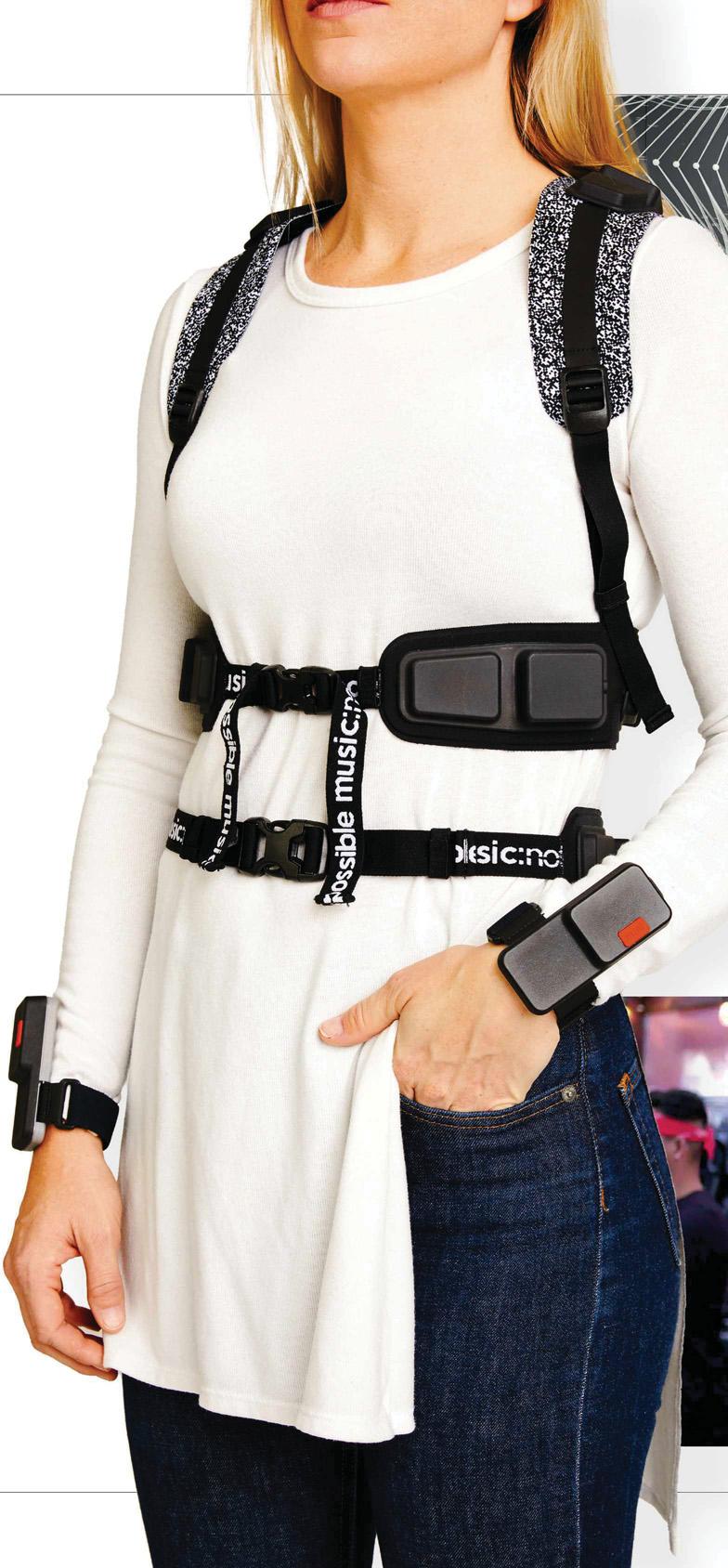
There’s a long history of deaf people going to concerts and attending gigs using items such as inflated balloons or pipes to feel the vibrations of the live performance.
In spite of this, there remains a belief that anyone who is deaf is unable to enjoy live music. But while a deaf person may not be able to hear the sound of the music, they can feel it through the vibrations produced by the powerful speakers being used, or even the instruments themselves if they’re close enough.
The US tech company Not Impossible Labs has seized on this concept and, in collaboration with musicians, venues, and production companies, built on it to create a haptic vest that makes these vibrations more accessible to both deaf and hearing music lovers.
GETTING SUITED UP
"Nothing is impossible forever," boasts the home page of notimpossible.com proudly in large font. A bold claim, but one that matches the unique nature of the products the company is working on.
Led by founder Mick Ebeling, Not Impossible Labs is built around innovation that provides accessibility where it wasn't previously available. While there's a lot of development occurring in the world of accessibility tech right now, Not Impossible Labs takes an unconventional route.
Whether it's helping blind skateboarders ride via echolocation; creating navigational 'super-hero' suits for a deaf and partially blind children, or something as simple as text messaging service that helps local people going hungry find food, Not Impossible has learned to think outside the box.


Bu hikaye BBC Science Focus dergisinin November 2023 baskısından alınmıştır.
Binlerce özenle seçilmiş premium hikayeye ve 9.000'den fazla dergi ve gazeteye erişmek için Magzter GOLD'a abone olun.
Zaten abone misiniz? Oturum aç
BBC Science Focus'den DAHA FAZLA HİKAYE
BBC Science Focus
HOW FISH COULD SAVE MILLIONS OF PEOPLE'S SIGHT
There's nowhere near enough donors to meet the demand for corneal transplants. A pioneering treatment that relies on fish scales could change that

3 mins
May 2026
BBC Science Focus
Your Wi-Fi is lying to you
Wi-Fi 7's giant speed claims might look impressive, but the realities of our homes – and the laws of physics – mean that real-world performance will never get close
6 mins
May 2026
BBC Science Focus
WHICH ANIMAL IS MOST LIKELY TO ESCAPE FROM THE ZOO?
Have you heard the one about the monkey and the Yorkshire pudding?
2 mins
May 2026
BBC Science Focus
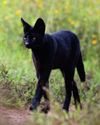
THE BLACK SERVAL
The black serval (Leptailurus serval) is an unusual, melanistic version of the African serval, a medium-sized wild cat that's native to Africa.
2 mins
May 2026
BBC Science Focus
Cryosleep vs hibernation: What's the difference?
When hibernating animals, such as hedgehogs and dormice, disappear for winter, they don't freeze like the Siberian salamander.
1 mins
May 2026
BBC Science Focus
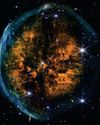
Space brain
The greatest names in science are often said to be 'big-brained', but this cosmic wonder puts them all to shame. Nebula PMR 1 - otherwise known as the 'Exposed Cranium' nebula for its distinctive shape - measures around 3.2 light-years across.
1 min
May 2026
BBC Science Focus
Your most draining relationships are taking years off your life, study suggests
Difficult people don't just zap your energy - they may also accelerate your biological ageing
4 mins
May 2026
BBC Science Focus
DOES EARTH HAVE A HEARTBEAT?
Move over, Ringo Starr.
1 mins
May 2026
BBC Science Focus
WEIGHT-LOSS DRUGS FOR ALL?
The obesity crisis is ruining lives and costing governments trillions. But some healthcare experts think there's now a radical solution: roll out GLP-1 jabs to everyone who needs them for free. Could it work?
9 mins
May 2026
BBC Science Focus
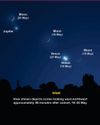
HOW TO SEE VENUS ON APPROACH TO JUPITER
Venus has been slowly moving away from the Sun's glare over the past few weeks, heading into the evening twilight after sunset.
1 mins
May 2026
Translate
Change font size