
Mit Magzter GOLD unbegrenztes Potenzial nutzen
Erhalten Sie unbegrenzten Zugriff auf über 9.000 Zeitschriften, Zeitungen und Premium-Artikel für nur
Versuchen GOLD - Frei
These vibrating vests bring music to life for deaf gig-goers
BBC Science Focus
|November 2023
Haptic tech is making music accessible to people with impaired hearing
-
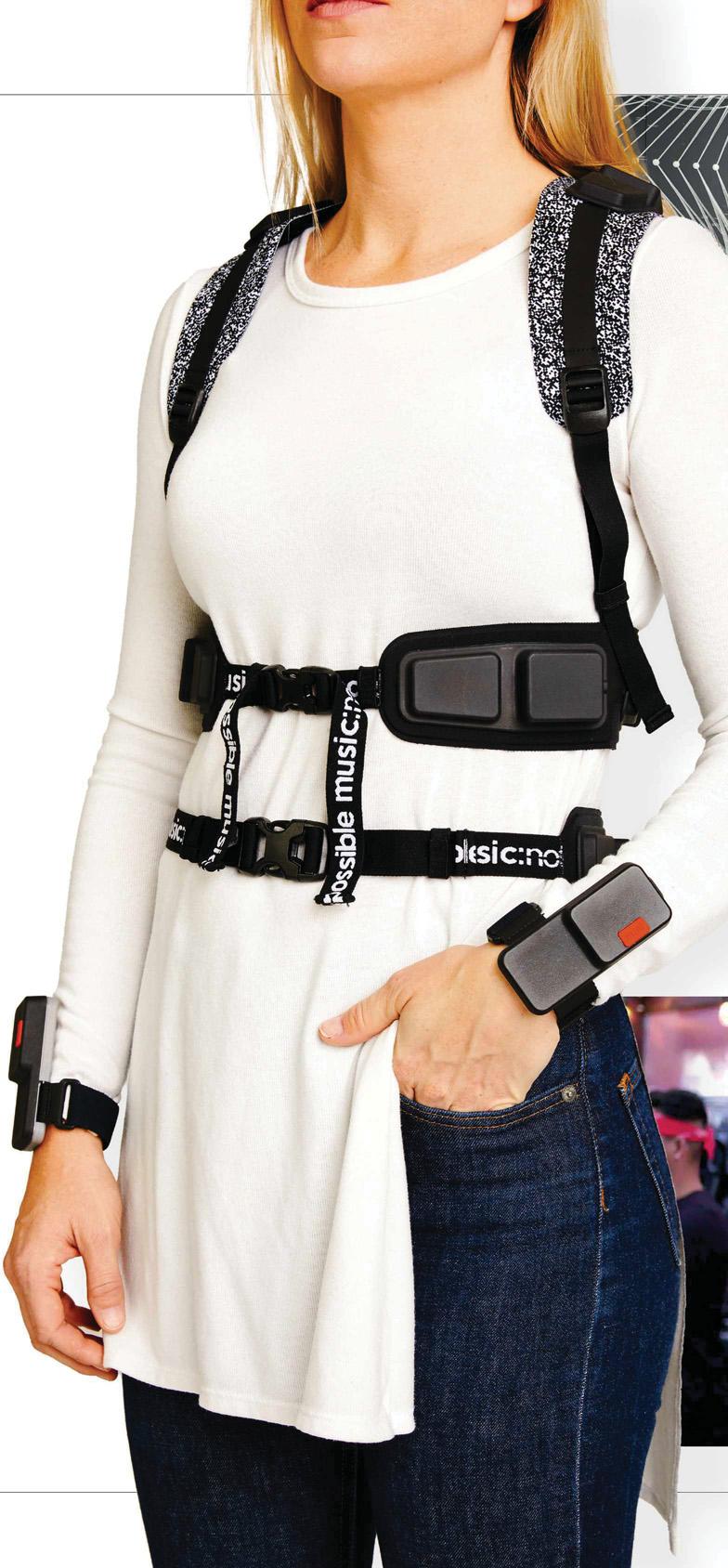
There’s a long history of deaf people going to concerts and attending gigs using items such as inflated balloons or pipes to feel the vibrations of the live performance.
In spite of this, there remains a belief that anyone who is deaf is unable to enjoy live music. But while a deaf person may not be able to hear the sound of the music, they can feel it through the vibrations produced by the powerful speakers being used, or even the instruments themselves if they’re close enough.
The US tech company Not Impossible Labs has seized on this concept and, in collaboration with musicians, venues, and production companies, built on it to create a haptic vest that makes these vibrations more accessible to both deaf and hearing music lovers.
GETTING SUITED UP
"Nothing is impossible forever," boasts the home page of notimpossible.com proudly in large font. A bold claim, but one that matches the unique nature of the products the company is working on.
Led by founder Mick Ebeling, Not Impossible Labs is built around innovation that provides accessibility where it wasn't previously available. While there's a lot of development occurring in the world of accessibility tech right now, Not Impossible Labs takes an unconventional route.
Whether it's helping blind skateboarders ride via echolocation; creating navigational 'super-hero' suits for a deaf and partially blind children, or something as simple as text messaging service that helps local people going hungry find food, Not Impossible has learned to think outside the box.


Diese Geschichte stammt aus der November 2023-Ausgabe von BBC Science Focus.
Abonnieren Sie Magzter GOLD, um auf Tausende kuratierter Premium-Geschichten und über 9.000 Zeitschriften und Zeitungen zuzugreifen.
Sie sind bereits Abonnent? Anmelden
WEITERE GESCHICHTEN VON BBC Science Focus
BBC Science Focus
HEALTH: Eating oats could lower your cholesterol in just two days
The health benefits of a two-day porridge diet lasted for weeks afterwards

1 mins
April 2026
BBC Science Focus
Most people are too sure they can identify fake human faces
Even 'super recognisers' struggle with the challenge. Can you do better?
1 min
April 2026

BBC Science Focus
WHAT'S THE WORST THING YOU CAN DO FOR THE PLANET ONLINE?
Human beings can barely move a muscle without some kind of deleterious effect on the environment around us.
2 mins
April 2026
BBC Science Focus
A bug in the system
The complex arrangement of equipment you see here is part of a particle accelerator.
1 min
April 2026
BBC Science Focus
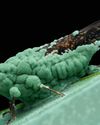
Snug as a bug in a rug
At first glance, you might feel envious of this little leafhopper, swaddled beneath the folds of what appears to be a luxurious fur blanket.
1 min
April 2026
BBC Science Focus
WHY DO WE ROOT FOR THE VILLAIN IN MOVIES?
Whether it's Darth Vader or Cruella de Vil, we all have a favourite movie villain.
1 mins
April 2026
BBC Science Focus
A TURN TO DISPERSE
Why a fart walk after dinner does more than release your gas
3 mins
April 2026

BBC Science Focus
Hatching a nebula
Welcome to the Egg Nebula, an enigmatic structure formed by ejected stardust in the Cygnus constellation around 1,000 light-years from Earth.
1 min
April 2026
BBC Science Focus
7 TIMES AI GOT IT SPECTACULARLY WRONG
For the past four years, AI has been reshaping how we work and live. But its failures are proving just as transformative as its triumphs
8 mins
April 2026
BBC Science Focus
CHARLES ADCOCK, VIA EMAIL: COULD DARK MATTER BE ALL AROUND PLANET EARTH BUT UNDETECTABLE?
Astronomers have gathered overwhelming evidence that 80 per cent of all matter in the Universe is invisible.
1 min
April 2026
Translate
Change font size