Denemek ALTIN - Özgür
The dark side of weight-loss drugs
BBC Science Focus
|February 2026
Millions of people are now using weight-loss drugs, but it seems there are side-effects that come with the slimmer waistlines
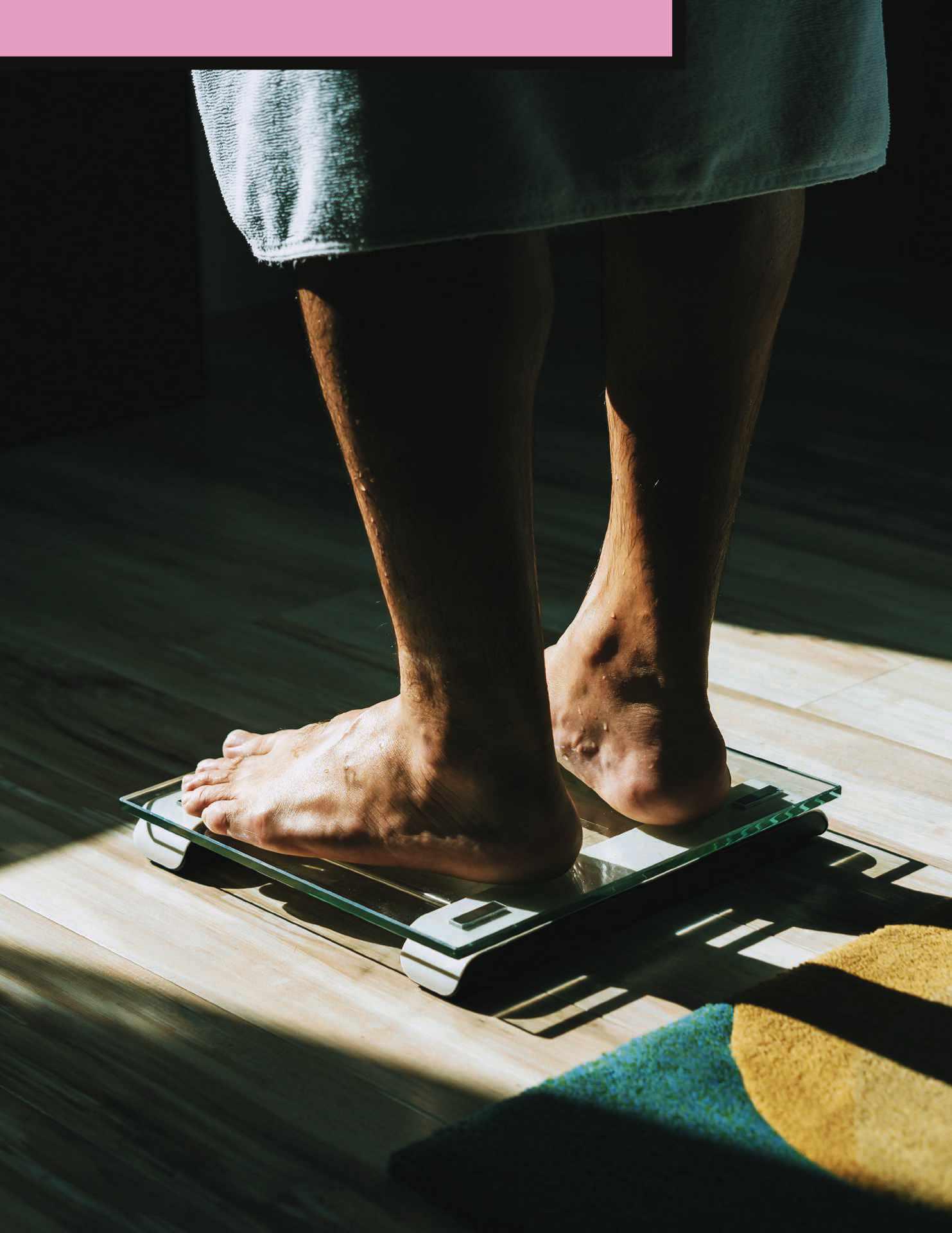
Whether you like the idea of them or not, weight-loss drugs have changed the world.
Obesity levels in the US, which had been on the rise for years, are falling. National spend on food has shrunk, fashion outlets are selling fewer XXL-sized clothes and, here in the UK, one supermarket has even launched a ‘nutrient dense’ food range, aimed at helping people on these drugs adapt to their reduced food consumption – smaller portions, with more macronutrients.
Ozempic has fast become the poster child of these drugs, despite not being officially approved as a weight-loss drug in either the US or UK (it was designed to help those with type-2 diabetes). It falls into a class of drugs alongside Wegovy and Mounjaro (which are approved for weight-loss) that mimic the hormone GLP-1, which your body uses to tell your brain that you've eaten enough. The key ingredient in these appetite suppressants is usually semaglutide, or tirzepatide in the case of Mounjaro, but each one acts in a similar way.
Hijacking this mechanism can help those with obesity lose weight. This is important because carrying extra fat is a health risk – it makes you more likely to develop several conditions, from diabetes to heart disease, and even cancer.
But like any world-changing technology, semaglutide drugs have their critics. In this case, it’s health influencers leading the charge. They would rather you fast, switch diets, take up exercise or, better still, spend a nominal amount to join their online programmes and courses.
That said, with the widespread public adoption of these drugs in recent years, reports of side effects have begun cropping up. In some cases, semaglutide has led to malnutrition, gastric issues, mental health issues and eye problems. On top of that, many people are beginning to question what happens after they've lost the weight – how can they stop taking semaglutides and keep the inches off their waistlines?

Bu hikaye BBC Science Focus dergisinin February 2026 baskısından alınmıştır.
Binlerce özenle seçilmiş premium hikayeye ve 9.000'den fazla dergi ve gazeteye erişmek için Magzter GOLD'a abone olun.
Zaten abone misiniz? Oturum aç
BBC Science Focus'den DAHA FAZLA HİKAYE

BBC Science Focus
DOES MY DOG HAVE ADHD?
Officially, Attention-Deficit Hyperactivity Disorder (ADHD) is a human condition. People are diagnosed with it. Dogs are not. Yet many of its core features, including hyperactivity, impulsivity and distractibility, can be found in dogs.

1 min
March 2026

BBC Science Focus
DOES MY BRAIN LIVE A LITTLE IN THE PAST?
Yes, your brain does live a little in the past. It can't help it. The information it receives via your senses is always a little out of date. Whether it's light entering the retinas in your eyes, or sounds vibrating the hairs in your ears, it not only takes time for the data to arrive, but your brain then has to process it.
2 mins
March 2026

BBC Science Focus
ASTRONOMY FOR BEGINNERS
RETURN OF THE EVENING STAR (VENUS)
1 mins
March 2026

BBC Science Focus
CAN YOU STOP YOUR SENSE OF TASTE DULLING AS YOU AGE?
Sometimes I hear people say that food just doesn't taste the same as they get older. It's tempting to blame this on age, but there are other factors at play, too.
1 mins
March 2026
BBC Science Focus
MICROBIOMES OF THE SUPERAGERS
BY STUDYING THE INCREASING NUMBER OF PEOPLE WHO ARE LIVING BEYOND THEIR 100TH BIRTHDAYS, SCIENTISTS ARE DISCOVERING THAT THE SECRET TO REACHING A RIPE OLD AGE IN RUDE HEALTH MIGHT LIE IN OUR GUTS
8 mins
March 2026

BBC Science Focus
HOW BIG WERE MEDIEVAL WAR HORSES?
You might picture knights charging into battle on towering steeds, but medieval horses were typically no bigger than modern-day ponies.
1 min
March 2026

BBC Science Focus
FORCES OF HABIT
Could new research on setting up healthy habits resuscitate those stuttering New Year resolutions?
3 mins
March 2026

BBC Science Focus
5 DANGERS HIDING IN YOUR PROCESSED FOOD
We all know that ultra-processed foods are bad for us, but what ingredients should we particularly try to avoid? And what are they doing to our bodies?
9 mins
March 2026

BBC Science Focus
Mosquitoes are becoming thirstier for human blood
Habitat loss may be pushing mosquitoes towards human hosts with deadly consequences
1 mins
March 2026

BBC Science Focus
HOW CAN I GET OVER MY EX?
Relationship breakups can be brutal, just look at the popularity of songs like 'Someone Like You' by Adele, or all the covers of 'Cry Me a River' by Julie London.
1 mins
March 2026
Listen
Translate
Change font size