Denemek ALTIN - Özgür
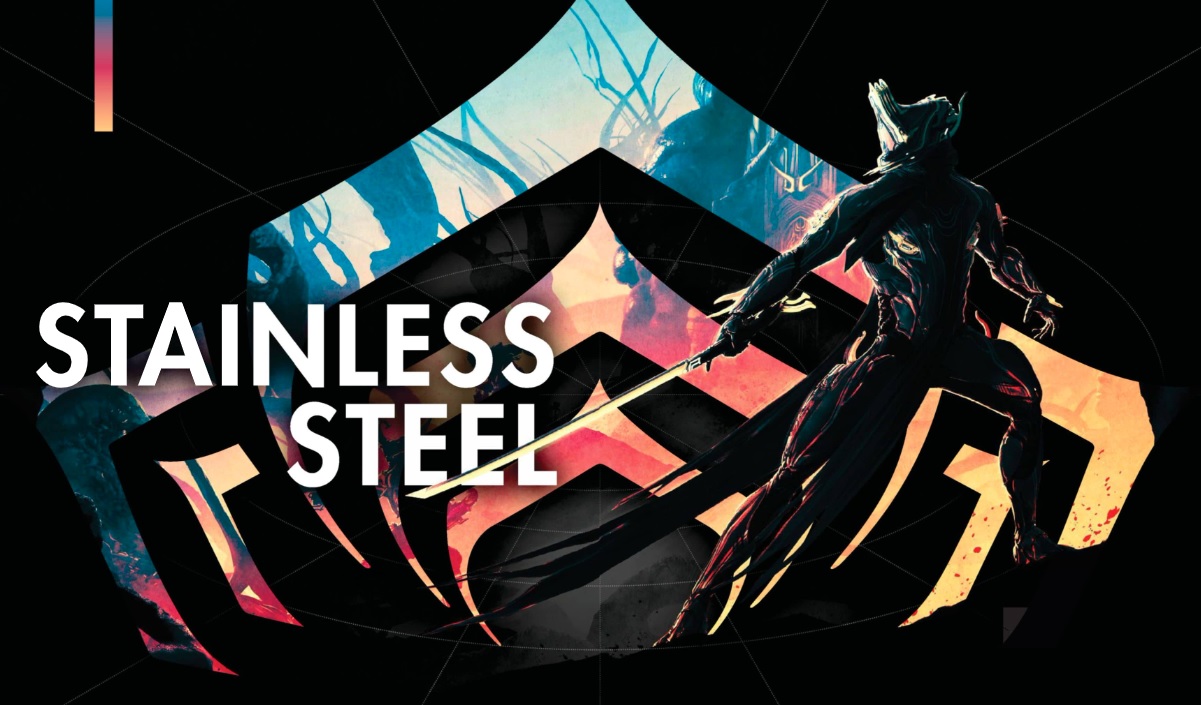
STAINLESS STEEL
Edge UK
|April 2025
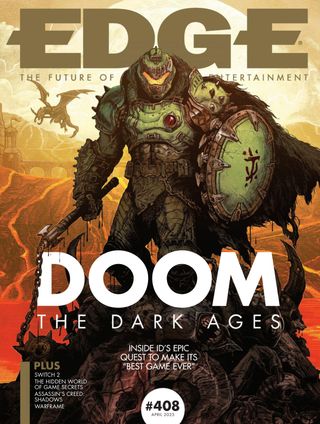
From one Extremes to another: how Warframe went from six-month 'Hail Mary' to a decade-plus of success
As we've seen all too clearly of late, making a successful service game one that can stick around for years, becoming part of the fabric of its players' lives in the process is anything but easy. There have been many attempts, some of them with the backing of the very largest, wealthiest publishers and platform holders. A few have succeeded, but many, many more have failed.
And then there's Warframe. More than a decade on from its 2013 launch, Digital Extremes' free-toplay shooter still reliably hovers around Steam's top 20 most-played chart, having attracted 80 million players over the years, and continues to launch on new formats an Android release is set for this year.
If any service-game success is unlikely, then Warframe's is practically a miracle, given its origins.
This was the last chance for a small studio, made as quickly as possible and self-published because its maker had no other option. A game that wouldn't even exist if it weren't for failure.
"We had a project with a publisher," CEO Steve Sinclair tells us. "And that publisher ran into financial difficulties and cancelled it." Working at the behest of a larger paymaster had long been the bread-and-butter of Ontario-based Digital Extremes. The studio started out making pinball games with Epic, a partnership that continued into co-developing the Unreal games. After that series' end it took on a string of other work-for-hire projects, from BioShock 2's multiplayer mode to The Darkness II, developing the sequel to a game made by another studio entirely.

Bu hikaye Edge UK dergisinin April 2025 baskısından alınmıştır.
Binlerce özenle seçilmiş premium hikayeye ve 9.000'den fazla dergi ve gazeteye erişmek için Magzter GOLD'a abone olun.
Zaten abone misiniz? Oturum aç
Edge UK'den DAHA FAZLA HİKAYE

Edge UK
IMITATION GAME
This AI thinks she's a person. Do you choose to kill her dream?

7 mins
July 2026

Edge UK
Mouse: PI For Hire
Look at the bottom third of the screen, in almost any given frame of Mouse: PI For Hire, and you'll find developer Fumi Games wearing its influences on its sleeve — or rather, what extends from them.
4 mins
July 2026

Edge UK
Will: Follow The Light
There is a big difference between not being able to solve a puzzle and not being able to understand what a puzzle is asking you to do.
4 mins
July 2026

Edge UK
Dosa Divas
Isn't this precisely the passionless enshittification of cookery the game's heroes are meant to be resisting?
4 mins
July 2026

Edge UK
AN AUDIENCE WITH... JENOVA CHEN
The designer synonymous with games as art on 20 years of Thatgamecompany
13 mins
July 2026

Edge UK
Tomodachi Life: Living The Dream
Shigeru Miyamoto, Donald Trump and Ganondorf walk into an ice-cream parlour. No, that’s not the setup to a joke, but a regular Tuesday afternoon in Tomodachi Life.
4 mins
July 2026
Edge UK
Pragmata
It's somewhat ironic, given the game's subject matter, that the AI of its would-be Terminators is severely limited
7 mins
July 2026

Edge UK
Replaced
Replaced's opening 30 minutes show enormous promise. You play as Reach, an advanced, coldly rational artificial intelligence accidentally implanted into the body and brain of its human creator.
4 mins
July 2026

Edge UK
Mixtape
Even as it feels increasingly like a relic, the concept of the mixtape endures.
4 mins
July 2026

Edge UK
D-TOPIA
A perfect world? Just don't forget to smile
3 mins
July 2026
Listen
Translate
Change font size