
Magzter GOLD ile Sınırsız Olun
Sadece 9.000'den fazla dergi, gazete ve Premium hikayeye sınırsız erişim elde edin
Denemek ALTIN - Özgür
LOOS
All About History UK
|Issue 170
PAS DE CALAIS, FRANCE 25 SEPTEMBER - 13 OCTOBER 1915
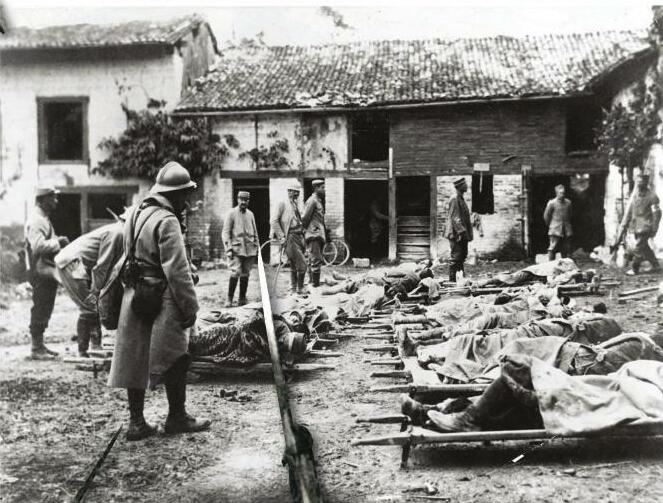
FOR THE FRENCH, THE OCCUPATION OF THEIR SOIL BY THE ENEMY WAS NOTHING LESS THAN A NATIONAL DISGRACE
Fought from late September into early October 1915, the Battle of Loos is considered the first large British offensive of the First World War. It saw the first mass deployment of Secretary of State for War Herbert Kitchener's New Armies and the first use of poison gas by the British. Nevertheless, Loos formed only part of a much larger French attack in what became known as the Third Battle of Artois. Although the British made some initial gains, the offensive was ultimately contained by the Germans. It resulted in 60,000 British casualties and contributed to the replacement of Sir John French with Douglas Haig as Commander-in-Chief of the British Expeditionary Force.
BACKGROUND
By 1915, the war on the Western Front had developed into the stalemate of trench warfare that came to characterise the First World War. The Germans, now on the defensive, held their lines on Belgian and French territory. For the French, the occupation of their soil by the enemy was nothing less than a national disgrace. Several operations had been launched by the Allied powers during the first half of the year in an attempt to break the deadlock, but all had failed.
In the Autumn of 1915, French Commander-in-Chief Joseph Joffre planned another offensive. This would include major operations in the regions of Champagne (Second Battle of Champagne) and Artois (Third Battle of Artois). The French expected the British to support the latter, in what became the Battle of Loos. The battlefield of Loos lies between the canal at La Bassée and the Lens-Noeux-les-Mines railway to the south. It was the heart of industrial northeastern France, an area of heavy coal mining dominated by slagheaps, collieries and industrial buildings.


Bu hikaye All About History UK dergisinin Issue 170 baskısından alınmıştır.
Binlerce özenle seçilmiş premium hikayeye ve 9.000'den fazla dergi ve gazeteye erişmek için Magzter GOLD'a abone olun.
Zaten abone misiniz? Oturum aç
All About History UK'den DAHA FAZLA HİKAYE
All About History UK
LOOS
PAS DE CALAIS, FRANCE 25 SEPTEMBER - 13 OCTOBER 1915

13 mins
Issue 170

All About History UK
VIKING BATTLE FOR SCOTLAND
How Orkney and Shetland became the centre of the Viking world and their last outpost
5 mins
Issue 170
All About History UK
FINDING THE LOST COLONY
Professor Mark Horton explains how the ‘mystery’ of the lost colony at Roanoke was solved
4 mins
Issue 170
All About History UK
THE CORINTHIANS: WE WERE THE CHAMPIONS
A remarkable tale from the wilderness of women's football in England
2 mins
Issue 170
All About History UK
PREDICTING THE FUTURE
A new book explores the global history of prophecies, omens and fortune telling
2 mins
Issue 170
All About History UK
BATTLE FOR AMERICA
Discover how the burning flame of liberty spread through the colonies to defeat an empire
13 mins
Issue 170
All About History UK
NATIVES AND SETTLERS
Meet ten of the most important and influential people who helped shape the American colonies
4 mins
Issue 170
All About History UK
THE WOMEN WHO FOUGHT DRAGONS AND WON
Historian and author Jasmine Elmer discusses the history and mythology of female dragon slayers
10 mins
Issue 170
All About History UK
ROBINSON HALF CHEST
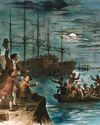
On the night of the Boston Tea Party, 340 tea chests were thrown into the harbour - now only two survive
1 mins
Issue 170

All About History UK
REGENCY Style
Unravel the real-life fashions of the era
8 mins
Issue 170
Listen
Translate
Change font size