
Magzter GOLD ile Sınırsız Olun
Sadece 9.000'den fazla dergi, gazete ve Premium hikayeye sınırsız erişim elde edin
Denemek ALTIN - Özgür
BATTLE FOR AMERICA
All About History UK
|Issue 170
Discover how the burning flame of liberty spread through the colonies to defeat an empire
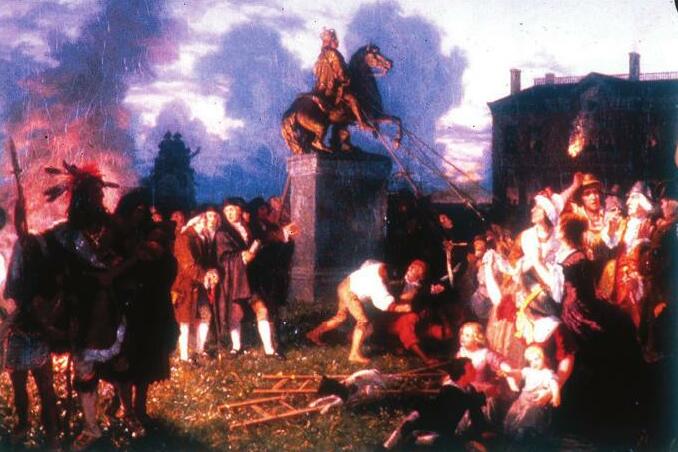
In 1763, Britain completed eight years of victories over the French and Spanish empires. Thanks to a superior navy and more money, the British had overwhelmed the colonies of their adversaries by deploying more soldiers, sailors, warships and cannon.
In addition to conquering French Canada, British forces seized key French colonies in the Caribbean and the Spanish colonial capitals of Havana in Cuba and Manila in the Philippines. The British also made gains in India and west Africa. Britain never had invested so many military resources across the oceans and around the globe with such stunning success. In the peace treaty of 1763, the British secured all of North America east of the Mississippi River.
Britain's North American colonists exulted in the great victories and the triumphant peace. They danced around bonfires, fired volleys of cannon, rang church bells, lit up the sky with fireworks, and toasted the Royal Navy, British army and colonial volunteers. They were proud to belong to a victorious and prosperous empire governed by a young and vibrant new king, George III. Far from seeking independence, colonists cherished the liberties, military security and profitable trade provided by a triumphant empire. The city of New York put up a statue of the king on horseback. In Massachusetts, a leading politician declared: "We love, esteem and reverence our mother country and adore our king."
But the British triumph had sown the seeds of a crisis that would rupture the empire a dozen years later. Victory had not come cheap - the conflict nearly doubled the British national debt from a prewar £74 million to a postwar £133 million. With British taxpayers already heavily burdened, Parliament sought out new sources of revenue in the colonies. After investing so much money and blood to fight in North America, Britain's rulers expected the colonists to bear more of the costs of empire.

Bu hikaye All About History UK dergisinin Issue 170 baskısından alınmıştır.
Binlerce özenle seçilmiş premium hikayeye ve 9.000'den fazla dergi ve gazeteye erişmek için Magzter GOLD'a abone olun.
Zaten abone misiniz? Oturum aç
All About History UK'den DAHA FAZLA HİKAYE
All About History UK
LOOS
PAS DE CALAIS, FRANCE 25 SEPTEMBER - 13 OCTOBER 1915

13 mins
Issue 170

All About History UK
VIKING BATTLE FOR SCOTLAND
How Orkney and Shetland became the centre of the Viking world and their last outpost
5 mins
Issue 170
All About History UK
FINDING THE LOST COLONY
Professor Mark Horton explains how the ‘mystery’ of the lost colony at Roanoke was solved
4 mins
Issue 170
All About History UK
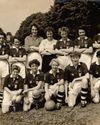
THE CORINTHIANS: WE WERE THE CHAMPIONS
A remarkable tale from the wilderness of women's football in England
2 mins
Issue 170
All About History UK
PREDICTING THE FUTURE
A new book explores the global history of prophecies, omens and fortune telling
2 mins
Issue 170
All About History UK
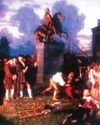
BATTLE FOR AMERICA
Discover how the burning flame of liberty spread through the colonies to defeat an empire
13 mins
Issue 170
All About History UK
NATIVES AND SETTLERS
Meet ten of the most important and influential people who helped shape the American colonies
4 mins
Issue 170
All About History UK
THE WOMEN WHO FOUGHT DRAGONS AND WON
Historian and author Jasmine Elmer discusses the history and mythology of female dragon slayers
10 mins
Issue 170
All About History UK
ROBINSON HALF CHEST
On the night of the Boston Tea Party, 340 tea chests were thrown into the harbour - now only two survive
1 mins
Issue 170

All About History UK
REGENCY Style
Unravel the real-life fashions of the era
8 mins
Issue 170
Listen
Translate
Change font size