Denemek ALTIN - Özgür
Managing farm debt: strategies for financial stability
Farmer's Weekly
|February 14, 2025
While adverse conditions like droughts and market volatility cannot be controlled, debt can be managed. Cobus du Plessis advises farmers on how to approach debt during difficult financial times.
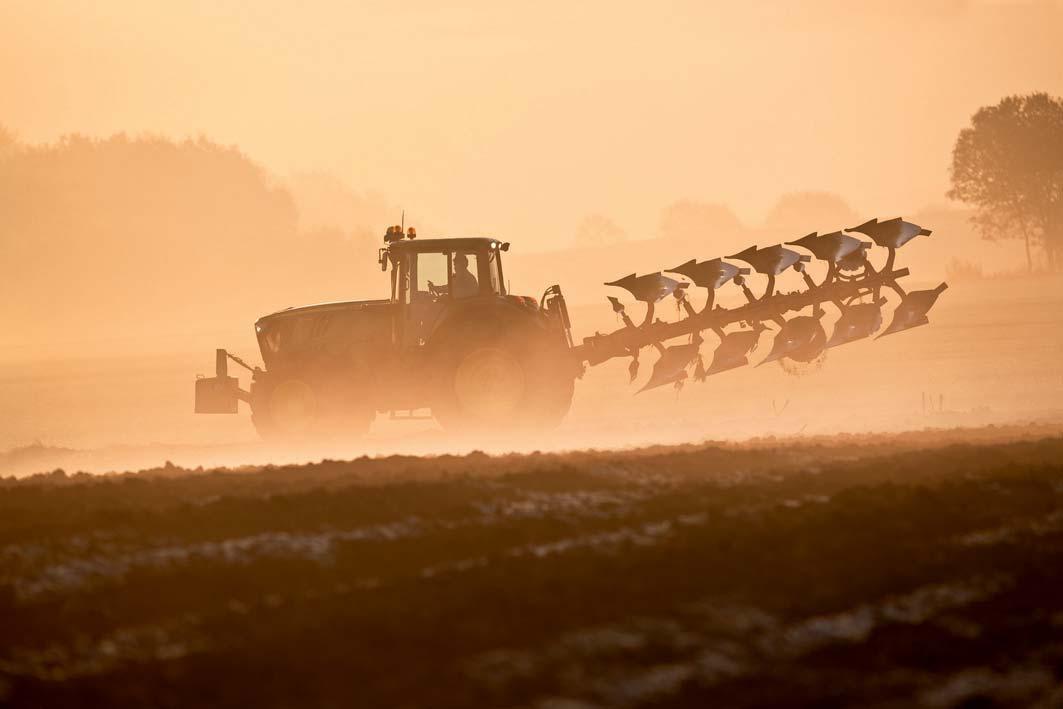
Farming in South Africa is an expensive, high-risk industry. Rising input costs, unpredictable climate conditions, and market volatility have made it increasingly difficult for farmers to maintain financial stability.
As a result, effective debt management has become critical to ensuring the survival of farms.
For many farmers, debt is a necessary tool for expanding their operations, purchasing inputs, and covering operational expenses. However, outstanding or carry-over debt is a serious financial burden, placing farming businesses under extreme pressure until it is settled.
In agriculture, where cash flow is often unpredictable, borrowing money is sometimes unavoidable. Farmers across generations have faced this predicament, and the key to overcoming it lies in how the situation is managed.
Handled correctly, debt management can preserve valuable relationships with creditors, build long-term trust, and even strengthen a farmer's reputation for financial responsibility. Poor handling, however, can lead to strained relationships and financial ruin.
UNDERSTANDING FARM DEBT IN SOUTH AFRICA
According to the Department of Agriculture's report 'Abstract of agricultural statistics, 2024', the total agricultural debt increased from R187 billion in 2019 to over R200 billion in 2024. Around 61% of farm debt is held by commercial banks like Absa, FNB, Standard Bank, and Nedbank.
Land Bank, once a significant agricultural financier, has seen its loan book shrink from R45 billion in 2020 to R17 billion in 2024, limiting access to affordable financing.
Aside from bank loans, many farmers also rely on supplier credit and private lenders, often at high interest rates, making repayment challenging.
KEY FACTORS DRIVING FARM DEBT
Several elements contribute to the growing levels of farm debt in South Africa. They are:


Bu hikaye Farmer's Weekly dergisinin February 14, 2025 baskısından alınmıştır.
Binlerce özenle seçilmiş premium hikayeye ve 9.000'den fazla dergi ve gazeteye erişmek için Magzter GOLD'a abone olun.
Zaten abone misiniz? Oturum aç
Farmer's Weekly'den DAHA FAZLA HİKAYE
Farmer's Weekly
Cannabis and marketing in South Africa
The path from cultivation to commercial success remains complicated by regulatory ambiguity. Cultivators who master compliant marketing while delivering verifiable quality will build sustainable businesses, says Thomas Walker.

2 mins
January 16-23, 2026
Farmer's Weekly
Foot-and-mouth disease project targets waste reduction and regulatory reform
A groundbreaking research collaboration between Red Meat Industry Services, the University of Pretoria, and global animal health leader Zoetis is aiming to transform South Africa's approach to foot-and-mouth disease.
3 mins
January 16-23, 2026
Farmer's Weekly
What to expect in 2026
The world faces a complex interplay of economic, geopolitical, environmental, technological, and social pressures.
3 mins
January 16-23, 2026
Farmer's Weekly
Generic advertising in perspective
Dr Koos Coetzee explains how industry organisations and the agriculture sector actually have the ability to prudently manage the negative perceptions surrounding generic advertising campaigns.
2 mins
January 16-23, 2026

Farmer's Weekly
Elsenburg Agricultural Training Institute celebrates excellence
The Elsenburg Agricultural Training Institute marked a major milestone in December 2025, conferring over 200 agricultural qualifications, including bachelor's degrees and various national certificates.
2 mins
January 16-23, 2026
Farmer's Weekly
Grain SA issues guidelines as poor-quality agri inputs threaten farmers livelihoods
Grain SA has urged South African grain and oilseed farmers to act fast when seeds, fertilisers, or agrochemicals underperform, providing clear guidelines to protect crops.
2 mins
January 16-23, 2026
Farmer's Weekly
Vegetable price trends as we enter the new year
This analysis by Zama Sangweni explores how five key vegetable commodities, cabbages, carrots, onions, potatoes, and tomatoes, performed, considering recent supply volumes and consumer demand patterns.
2 mins
January 16-23, 2026

Farmer's Weekly
Joburg Fresh Produce Market needs a 'refresh'
South Africa's fresh produce markets are vital to food security, supplying up to half of the nation's fruit and vegetables. Protecting and modernising these markets is essential for a resilient, equitable food system writes Marc Wegerif, senior lecturer in Development Studies at the University of Pretoria.
4 mins
January 16-23, 2026
Farmer's Weekly
Infrastructure, policy, and finance will be the African continent's growth drivers
Africa's agricultural potential is vast, but inefficiencies in infrastructure, trade policy, and finance limit growth. Investments in transport, cold storage, irrigation, and digital trade systems, among others, are key to unlocking faster, cheaper, and more efficient agricultural trade.
3 mins
January 2-9, 2026

Farmer's Weekly
SAPPO Academy showcases skills development and small business success
The South African Pork Producers' Organisation (SAPPO) Academy, a training organisation that promotes animal, environmental, and public health in the pig industry through knowledge transfer, recently hosted a mini development symposium in Pretoria. The event included an afternoon of meaningful dialogue, strategic learning, and leadership exchange, effectively bridging academic insight with real-world industry innovation.
3 mins
January 2-9, 2026
Listen
Translate
Change font size